


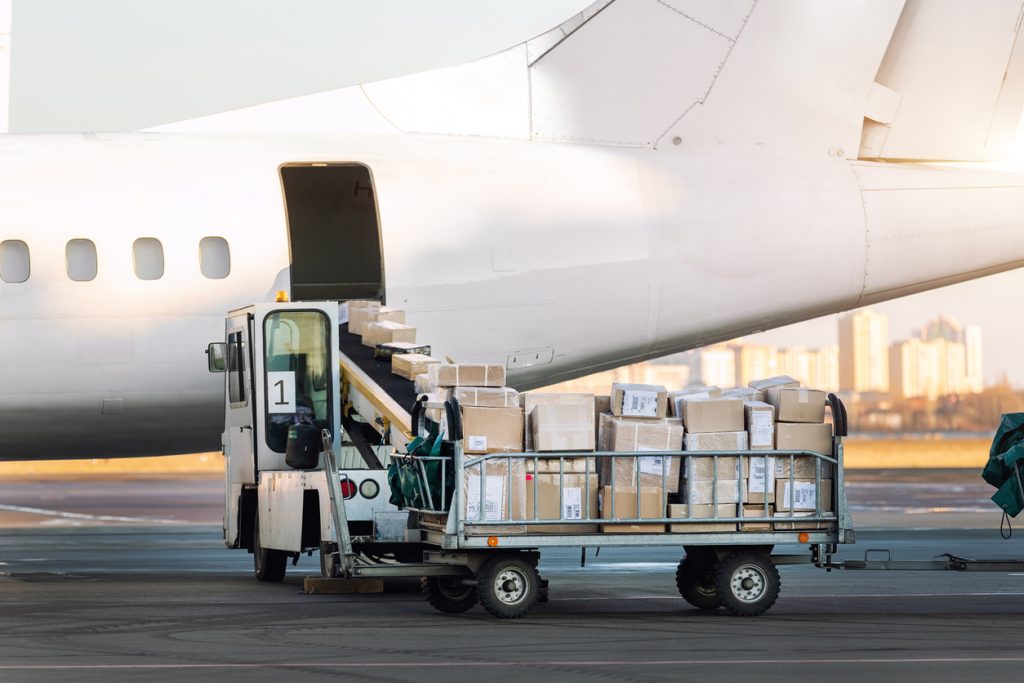
Flooding can interrupt movement, isolate communities and stop normal deliveries with very little warning. Once roads become unsafe, businesses and emergency teams need more than an ordinary transport provider. They need a flood response logistics company Nigeria can depend on to coordinate vehicles, boats, supplies, drivers and alternative routes under difficult conditions.
A proper response begins with understanding what needs to move, where it is going and which parts of the journey are still accessible. Sending the wrong vehicle or waiting until every road is blocked can waste valuable time.
Travo.ng helps individuals, businesses and organisations arrange practical transport and delivery support during flood-related disruptions across Nigeria.
What Flood Response Logistics Actually Involves
Flood logistics is not limited to carrying relief materials. It may involve moving people, medical supplies, food, water, generators, protective equipment and business inventory.
A coordinated operation may require:
- Pickup trucks for partially flooded roads
- Boats for communities cut off by water
- Motorcycles for short-distance last-mile delivery
- Vans for food, clothing and medical supplies
- Temporary storage near affected locations
- Drivers familiar with alternative routes
- Communication between field teams and dispatch coordinators
For example, supplies moving from central Lagos to a flooded part of Ajah may travel by van to an accessible waterfront point and then continue by boat. Without proper coordination, both vehicles may arrive at different times, leaving goods exposed or delaying distribution.
The First Information a Logistics Team Needs
Emergency requests often arrive with incomplete details. Someone may simply say that food or medicine must be delivered urgently. However, the logistics provider needs more information before assigning transport.
Important details include:
- The exact pickup and delivery locations
- The current condition of access roads
- The type and weight of the goods
- The number of people travelling
- Whether a boat transfer is required
- The nearest safe meeting or loading point
- The required delivery deadline
- A reliable contact person at the destination
Photos, videos and location pins can help the operations team understand the situation before dispatching a vehicle.
How Flooded Roads Change Delivery Planning
A route that normally takes one hour may take several hours during heavy rainfall. Drivers may need to avoid low-lying roads, collapsed drainage channels, stalled vehicles or areas where water has covered the road markings.
In Lagos, routes around Lekki, Ikorodu, Ajah and parts of the mainland can become difficult after prolonged rain. Similar problems affect riverine and coastal communities in Bayelsa, Rivers, Delta and other flood-prone states.
Experienced flood response planning does not assume that the shortest route is the safest. The team may choose a longer but more reliable road, divide the delivery into stages or transfer the cargo to a different vehicle.
Realistic travel updates are also important. Customers should be told when the route has changed rather than receiving an arrival time that cannot be met.
Protecting Supplies During Emergency Movement
Flood response cargo should be packed for wet and rough conditions. Cartons that are suitable for normal warehouse delivery may become weak after contact with water.
Medicines, documents, clothing and electronics should be placed in sealed waterproof packaging. Food items should remain covered and separated from fuel, chemicals or dirty equipment.
Heavy materials must be loaded carefully so they do not destabilise a boat or overload a vehicle. Clearly labelling each package also helps field teams identify urgent supplies without opening every container.
Where goods cannot be delivered immediately, temporary storage may be needed at a safe location outside the flooded area.
Mistakes That Slow Down Flood Relief Operations
One common mistake is waiting until flooding reaches its peak before arranging transport. By that stage, suitable vehicles and boats may already be in high demand.
Another problem is using drivers who do not understand the area. A navigation app may show a road as open even when residents know that the route is underwater or unsafe.
Organisations should also avoid sending supplies without confirming that someone is available to receive and distribute them. Delivering hundreds of items to an unprepared location can cause congestion, loss or confusion.
A clear dispatch list, local contact and delivery sequence make the operation easier to manage.
Arrange Flood Response Logistics With Travo.ng
Choosing a flood response logistics company Nigeria can rely on means looking for practical coordination, not just available vehicles. The provider should understand road transport, water movement, urgent deliveries and changing access conditions.
Travo.ng can coordinate vehicle hire, boat transport, emergency deliveries, cargo movement and temporary storage support for individuals, companies and relief organisations. Where a journey requires several transport methods, each stage can be planned as one operation.
With early planning, accurate information and suitable equipment, essential people and supplies can continue moving even when flooding disrupts normal transport routes.
