


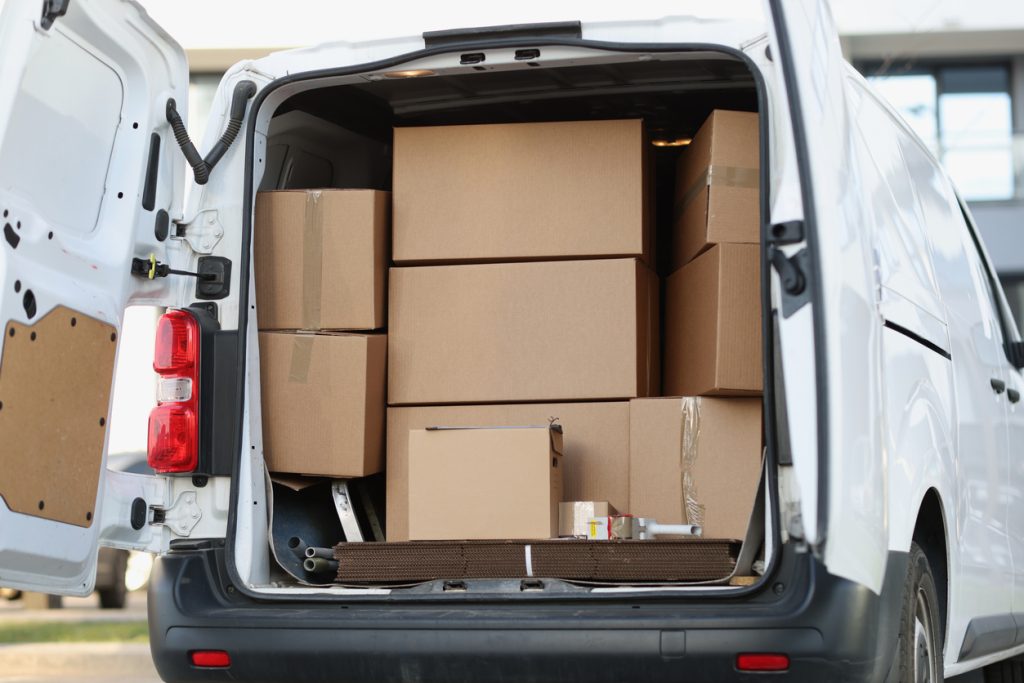
A crisis can disrupt normal transport and supply operations within hours. Flooding may cut off a community, a vehicle breakdown may delay essential equipment, or an organisation may suddenly need food, medical items and personnel moved to an affected location.
Effective crisis logistics management Nigeria support helps businesses, government agencies, charities and private organisations organise these movements under pressure. The work involves more than finding an available vehicle. It requires clear priorities, reliable communication, route planning and backup options when the original plan becomes impossible.
Travo.ng helps coordinate urgent transport, delivery and logistics services across Nigeria, allowing organisations to respond more quickly when normal operating arrangements fail.
The First Few Decisions Affect the Entire Response
When a disruption occurs, teams often rush to dispatch vehicles before confirming exactly what must be moved. This can result in the wrong vehicle arriving, incomplete supplies being loaded or drivers travelling without accurate directions.
The first step is to identify:
- What must be delivered or collected
- The number of passengers involved
- The exact pickup and destination points
- The required arrival time
- The condition of the access roads
- Whether the cargo is fragile, medical or temperature-sensitive
- Who will receive the shipment
A hospital requesting oxygen cylinders in Abuja has different logistics needs from a relief organisation moving food and water to a flooded community in Bayelsa. Each operation needs its own transport and handling plan.
How Nigerian Road Conditions Change Emergency Plans
Crisis transport rarely follows normal travel estimates. Heavy rain, traffic diversions, security concerns and damaged roads may add hours to a journey.
For example, supplies moving from Lagos to an affected location in Ogun State may face congestion around Berger or delays on poorly drained roads. Interstate deliveries through Lokoja may also require route changes during severe flooding.
Before dispatching a vehicle, the operations team should confirm current road access with people close to the destination. Drivers should receive alternative routes and clear instructions about what to do if the road becomes unsafe.
In riverine communities, the journey may require both road and boat transport. A truck can deliver supplies to the nearest accessible loading point, while a boat completes the final section.
Matching the Vehicle to the Emergency
Using the wrong vehicle can create additional problems. A motorcycle may move documents or medicines quickly through city traffic, but it cannot carry bulky relief supplies. A large truck may have enough capacity but may be unable to enter narrow or waterlogged roads.
Depending on the situation, crisis logistics may require:
- Motorcycles for lightweight urgent items
- Cars or SUVs for staff and small equipment
- Vans for food, clothing or medical supplies
- Trucks for bulk cargo and relief materials
- Refrigerated vehicles for temperature-sensitive goods
- Boats for flooded or riverine areas
- Towing vehicles for stranded fleet assets
Travo.ng can help arrange vehicle hire, emergency deliveries, cargo movement and boat transport based on the actual route and load.
Keeping Communication Clear During the Operation
Poor communication is one of the main causes of failed emergency deliveries. Too many people may give different instructions, while the driver receives incomplete updates.
Every operation should have one main coordinator responsible for communicating with the driver, sender and receiver. This person should track progress and confirm any route or timing changes.
Useful updates include:
- When the vehicle arrives at the pickup point
- When loading is completed
- When the vehicle departs
- Any delays or route changes
- Expected arrival time
- Confirmation that the cargo was received
Drivers should also have the receiver’s phone number and a nearby landmark. In areas without clear street addresses, local directions can prevent long delays.
Mistakes That Make Crisis Logistics More Difficult
One common mistake is failing to prepare a backup vehicle. Breakdowns, fuel shortages or access problems can stop an urgent operation midway.
Another mistake is overloading the available vehicle because the team wants to move everything in one trip. This can damage cargo, increase accident risk and make the vehicle unsuitable for poor roads.
Organisations should also avoid sending unlabelled packages. Food, medicine, clothing and equipment should be separated and clearly marked so that priority items can be unloaded first.
Basic records should still be kept, even during an emergency. Documenting quantities, departure times and delivery confirmation helps prevent missing supplies and confusion later.
Coordinate Crisis Transport With Travo.ng
Reliable crisis logistics management Nigeria services depend on preparation, fast decision-making and access to suitable transport. Every journey must be planned around the urgency, cargo type, road conditions and needs of the people waiting at the destination.
Travo.ng supports organisations with emergency courier services, vehicle hire, cargo logistics, boat transport and interstate delivery coordination across Nigeria.
By bringing transport and delivery arrangements under one practical plan, organisations can respond faster, reduce avoidable delays and ensure essential people and supplies reach the right location.
