


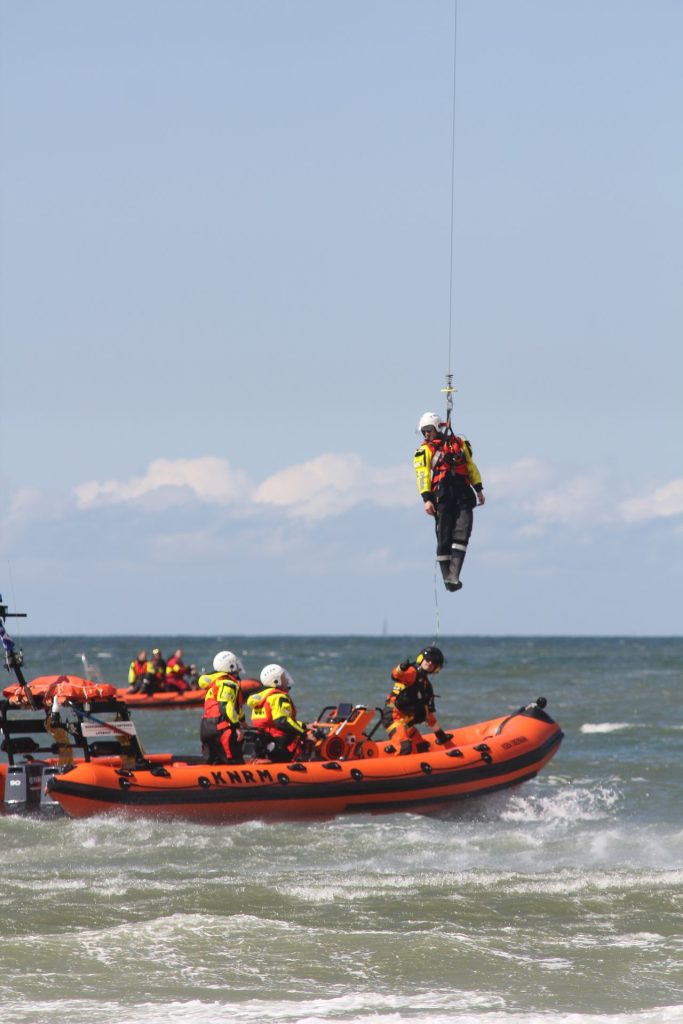
When flooding affects homes, roads and businesses in Lagos, relief supplies are only useful if they reach the people who need them quickly. Food, drinking water, clothing, medicine and hygiene products can remain stuck in warehouses while affected communities wait for help.
Reliable flood relief distribution services in Lagos help charities, companies, community groups and government agencies move emergency supplies from collection points to flooded neighbourhoods. The work involves more than loading cartons into a van. Routes must be assessed, vehicles selected carefully and final delivery points confirmed before dispatch.
Travo.ng helps organisations coordinate emergency deliveries, vehicles, cargo movement and last-mile distribution across Lagos.
Flooded Roads Can Change the Delivery Plan Quickly
A road that was passable in the morning may become unsafe after several hours of heavy rainfall. Areas around Ajegunle, Agege, Ikorodu, Lekki, Ajah and parts of Lagos Island can experience serious access problems when drainage channels overflow.
Drivers may also face hidden potholes, submerged gutters and stalled vehicles blocking the route. For this reason, flood relief teams should not rely only on normal navigation apps.
Before sending supplies, confirm:
- Current road conditions
- The safest access point
- Whether cars or trucks can enter
- Alternative pickup locations
- Local contact details
- Whether boat transport is required
Where large vehicles cannot reach the community, supplies may need to be transferred into smaller vans, motorcycles or boats for the final stage.
What Flood Relief Teams Usually Need to Deliver
The type of vehicle required depends on the volume, weight and urgency of the supplies.
Common flood relief items include:
- Bottled or sachet water
- Rice, noodles and other dry food
- Blankets and clothing
- Sanitary products
- Soap and disinfectant
- First-aid supplies
- Baby food and nappies
- Rechargeable lamps
- Temporary shelter materials
Food, medicine and personal hygiene items should be separated during packing. Cleaning chemicals must not be placed where they can leak onto food products.
Every carton should also be labelled clearly. This makes sorting easier when several communities are receiving different quantities of supplies.
How to Plan Distribution Without Creating Confusion
Poor coordination can lead to crowding, duplicate deliveries and disputes at distribution points. Before the vehicles leave, decide exactly who will receive the supplies and how they will be shared.
A practical plan should include:
- The number of households being supported
- The quantity allocated to each location
- The local coordinator’s name and phone number
- The expected delivery time
- The unloading arrangement
- Proof of delivery requirements
For example, a relief vehicle leaving a warehouse in Ikeja for communities in Ikorodu should not depart without confirming who will receive the goods. If the local contact is unavailable, the driver may spend hours looking for a safe unloading point.
Travo.ng can support both bulk movement and smaller last-mile deliveries where supplies need to be divided between several locations.
Choosing the Right Vehicle for the Route
A large truck may carry more supplies, but it is not always the best option. Narrow streets, deep water and blocked access roads can make smaller vehicles more practical.
Vans work well for medium-sized loads and can enter areas where trucks may struggle. Motorcycles can handle urgent medicine or small relief packages, while boats may be necessary when road access is completely cut off.
The vehicle should be chosen based on:
- Cargo volume
- Road condition
- Water level
- Number of delivery points
- Loading and unloading space
- Required delivery speed
Using the wrong vehicle can delay the operation and increase the risk of cargo damage.
Protecting Supplies From Water Damage
Relief goods should be packed as though they may be exposed to rain during loading or unloading.
Cartons should be sealed properly and placed on pallets where possible. Clothing, documents and medical items should be protected with waterproof bags or plastic containers.
Avoid placing supplies directly on a wet vehicle floor. Food cartons should also be inspected before delivery, especially if they have been stored in a damp location.
A simple loading checklist helps the team confirm quantities and identify damaged packages before the vehicle leaves.
Arrange Flood Relief Logistics With Travo.ng
Effective flood relief distribution services in Lagos require accurate planning, suitable vehicles and dependable local coordination. The goal is not simply to move goods but to deliver the correct supplies to the right community without unnecessary delay.
Travo.ng helps charities, companies, community organisations and emergency teams arrange cargo transport, courier delivery, vehicle hire, boat movement and last-mile logistics across Lagos.
Whether supplies are moving from a warehouse to one relief centre or being divided between several affected communities, Travo.ng can help coordinate each stage of the operation. Proper planning allows relief teams to respond faster, reduce waste and support more people during a flood emergency.
