


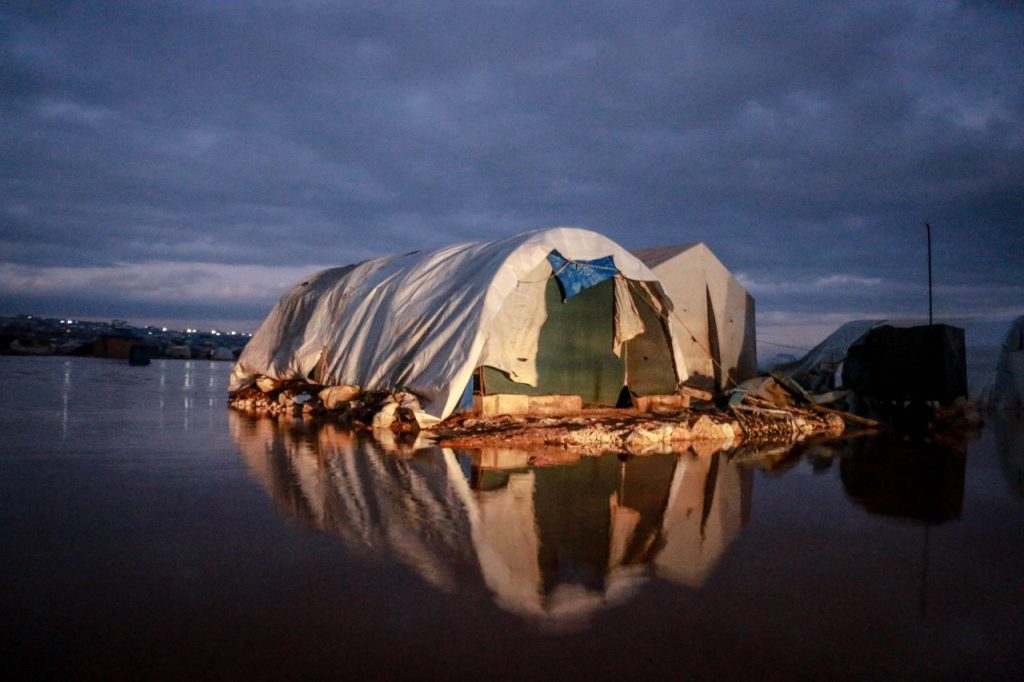
Flooding, building damage, fire outbreaks and community displacement can create an immediate need for safe temporary accommodation. In such situations, setting up a shelter is not only about finding an empty hall or open space. Mattresses, tents, food, water, lighting, sanitation supplies and medical items must reach the location quickly and in the right order.
Reliable emergency shelter logistics Lagos support helps government teams, charities, businesses, estates and community organisations coordinate these movements. Lagos presents particular challenges because traffic, flooded access roads and limited loading space can delay even well-funded emergency plans.
The most effective response starts with a clear assessment of how many people need help, where they are located and which routes remain accessible.
What Must Reach the Shelter First
Emergency supplies should not be dispatched randomly. Some items are required before displaced people can safely occupy the location.
The first deliveries will usually include:
- Tents, tarpaulins or partitioning materials
- Mattresses, mats, blankets and pillows
- Drinking water and basic food supplies
- Portable lighting and power equipment
- First-aid materials and essential medicines
- Toiletries and menstrual hygiene products
- Waste bins, cleaning supplies and disinfectants
- Tables, chairs and registration materials
A shelter receiving 100 people requires a different vehicle plan from a small temporary centre supporting 15 families. Sending one overloaded vehicle may cause delays at loading points, while several uncoordinated vehicles can create confusion at the shelter entrance.
Lagos Traffic Can Change the Delivery Plan
Emergency movement in Lagos must account for real road conditions. A truck leaving Ikeja for Lekki may face serious delays around Maryland, Ikorodu Road or the Third Mainland Bridge. During heavy rainfall, roads around Ajah, Ibeju-Lekki, Agege and parts of the mainland may become difficult for smaller vehicles.
Before dispatching supplies, the logistics coordinator should confirm:
- Which roads are currently passable
- Whether trucks can enter the shelter compound
- Where goods can be unloaded safely
- Whether a smaller vehicle is needed for the final section
- Who will receive and count the supplies
- Whether storage space is available on arrival
Where roads are flooded, boat transport may be required for communities near waterfronts or low-lying areas. Travo.ng can help coordinate road vehicles, boat movement and final delivery as one connected operation.
Matching the Vehicle to the Relief Supplies
Not every emergency delivery requires a large truck. The right vehicle depends on the quantity, size and urgency of the items.
Motorcycles may be useful for documents, medicine or small communication equipment. Vans can carry boxed food, hygiene kits and clothing, while pickup trucks may be better for generators, water containers and outdoor equipment.
Larger trucks are more suitable for bulk mattresses, tents and building materials. However, the delivery team must first confirm that the road and compound can accommodate the vehicle.
Fragile items, medical supplies and electronics should be separated from heavy shelter materials. Proper labelling also helps volunteers identify what should be unloaded first.
Preparing a Temporary Shelter for Deliveries
A shelter location should be organised before the main supplies arrive. Without a receiving plan, goods may be dropped in unsuitable areas, exposed to rain or distributed without records.
The site should have:
- A clear unloading area
- A dry space for food and clothing
- Separate storage for medicine
- A person responsible for receiving supplies
- A simple stock-recording process
- Volunteers to move and arrange items
- Security around valuable equipment
Where possible, separate sleeping areas from food storage, waste collection and medical support. This makes the shelter easier to manage and reduces health and safety risks.
Mistakes That Slow Emergency Shelter Operations
One common mistake is dispatching supplies before confirming the exact number of people affected. This can lead to shortages or excessive deliveries that cannot be stored.
Another problem is using vague addresses such as a community name without a landmark, access contact or map location. In unfamiliar or flooded areas, drivers need clear directions and someone available to guide them.
Organisations should also avoid relying on a single delivery vehicle. Breakdowns, road closures or loading delays can interrupt the entire response. For urgent operations, having an alternative vehicle or route is sensible.
Coordinate Emergency Shelter Logistics With Travo.ng
Effective emergency shelter logistics Lagos operations require fast decisions, reliable vehicles and accurate communication between suppliers, drivers, volunteers and shelter managers.
Travo.ng helps coordinate cargo transport, urgent deliveries, vehicle hire, boat transport and movement of shelter supplies across Lagos. Support can be arranged for both planned emergency preparation and immediate response after an incident.
By coordinating the route, vehicle type, loading order and receiving team in advance, relief supplies can reach affected people faster and with less confusion.
