


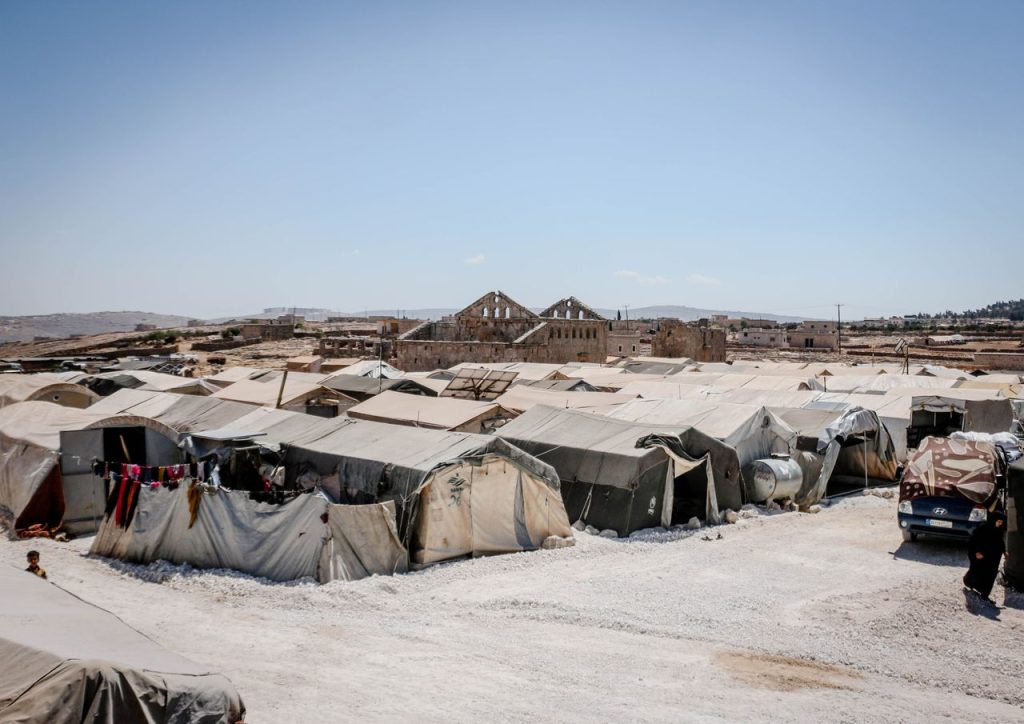
When families are forced to leave their homes because of flooding, conflict, fire or another emergency, relief supplies must reach them quickly. Food, drinking water, clothing, medicine, bedding and hygiene products can become urgent needs within hours.
Reliable emergency delivery to displaced persons camps requires more than loading items into a vehicle and driving towards the affected area. The team must confirm the camp location, understand access conditions, organise suitable vehicles and coordinate with authorised people at the destination.
Travo.ng helps organisations, businesses and individuals arrange practical transport and logistics support for time-sensitive relief deliveries across Nigeria.
Confirm the Camp Before Sending Any Supplies
Displacement camps may be temporary, relocated or spread across several locations. Sending a vehicle without confirming the exact destination can waste valuable time and fuel.
Before dispatching supplies, collect:
- The camp’s full name and location
- A reliable contact person on the ground
- The nearest accessible landmark
- The number of people currently staying there
- The items most urgently required
- Vehicle access and road conditions
- Approved delivery and distribution times
Some camps are managed by government agencies, humanitarian organisations, community leaders or religious groups. The receiving team should know that a delivery is coming and be ready to document what arrives.
Choose Vehicles Based on the Route and Load
The right transport option depends on the quantity of supplies and the condition of the route.
A pickup truck may be suitable for a small delivery of clothing, bottled water and medical kits. Larger loads of rice, mattresses or sanitation materials may require a van or truck.
During severe flooding, normal vehicles may only be able to reach a nearby collection point. Boats or high-clearance vehicles may then be needed for the final stage of the journey.
For example, relief goods leaving Lagos for a flooded community in Bayelsa may involve interstate road transport, temporary storage and water transport before reaching the camp. Planning each stage together reduces delays and prevents goods from being stranded halfway.
Pack Relief Items for Fast Distribution
Relief supplies should be organised in a way that makes unloading, counting and distribution easy.
Food items should be sealed and protected from moisture. Clothing should be clean, sorted by type or size and packed in labelled bags or cartons. Medicine must be handled according to its storage requirements and should only be delivered through authorised channels.
Useful labels may include:
- Adult clothing
- Children’s clothing
- Dry food
- Bottled water
- Hygiene supplies
- Bedding
- Medical supplies
- Baby items
Avoid mixing food with chemicals, fuel or cleaning products in the same unprotected load. Fragile goods should also be secured so they are not damaged on rough roads.
Timing Can Affect Whether Supplies Arrive Safely
Emergency deliveries should be scheduled around daylight, road access and camp receiving hours.
Late-night arrivals can create security and distribution problems, especially in unfamiliar locations. Drivers may also struggle to identify flooded sections, damaged bridges or temporary diversions after dark.
Where possible, dispatch early enough for the vehicle to arrive, unload and leave before nightfall. During the rainy season, allow extra time for congestion, poor road conditions and route changes.
The camp contact should receive updates when the vehicle leaves, reaches major checkpoints and approaches the destination.
Mistakes That Delay Relief Deliveries
A common mistake is sending donated items without checking what the camp actually needs. A camp may already have enough clothing but urgently require drinking water, sanitary products or baby food.
Other avoidable problems include:
- Incomplete addresses
- Overloaded vehicles
- Unlabelled cartons
- No receiving contact
- Poorly packaged food
- Sending expired products
- Ignoring local access restrictions
- Failing to keep delivery records
Photographs, signed delivery notes and item counts help donors and organisations confirm that the supplies reached the intended location.
Coordinate Relief Logistics With Travo.ng
Successful emergency delivery to displaced persons camps depends on accurate information, suitable transport and communication between the sender, driver and receiving team.
Travo.ng can help coordinate vehicle hire, cargo movement, urgent deliveries, temporary storage and transport to hard-to-reach locations across Nigeria. Where several vehicles or transport methods are required, the journey can be planned in stages.
With careful preparation and dependable logistics support, essential supplies can reach displaced families faster, in better condition and with fewer disruptions.
