


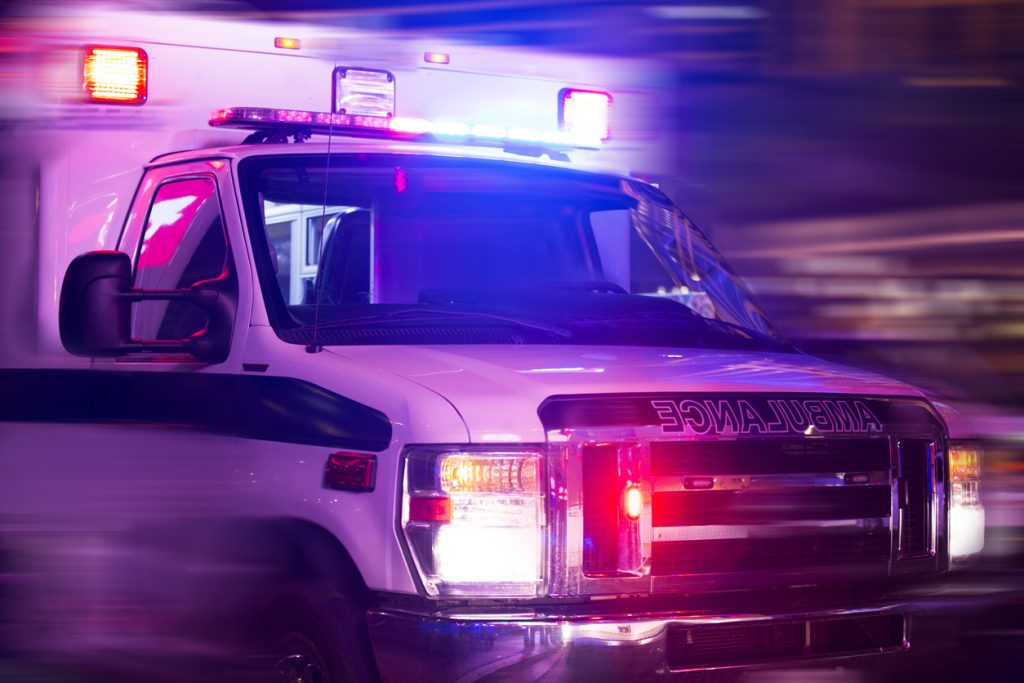
When a waterfront community is cut off by flooding, bad weather or a blocked access road, ordinary transport may no longer be useful. Residents may still need medical care, food supplies, fuel, drinking water or urgent movement to a safer location.
Reliable emergency transport for waterfront communities helps connect isolated areas to nearby jetties, hospitals, markets and road networks. The service may involve boats, pickup vehicles and onward delivery coordination, depending on where the journey begins and ends.
In places such as Makoko, Ilaje, Bonny, Nembe and other riverine communities across Nigeria, emergency movement must be arranged with proper attention to safety, timing and local water conditions.
When Road Transport Can No Longer Reach the Community
Some waterfront settlements are accessible mainly by water, while others have roads that become unusable during heavy rainfall or seasonal flooding.
A delivery van may reach the nearest mainland road but still be several kilometres away from the final destination. In this situation, the journey must be divided into stages. Goods can be moved by road to a secure jetty, transferred into a suitable boat and handed over at the receiving community.
Emergency transport may be required for:
- Medical evacuation and hospital transfers
- Food and drinking-water deliveries
- Relief materials after flooding
- Fuel and generator supplies
- Essential medicines
- School or workplace evacuation
- Tools needed for urgent repairs
Clear coordination between the road driver, boat operator and receiving contact is necessary to prevent confusion at the transfer point.
Choosing the Right Boat for the Trip
Not every available boat is suitable for emergency movement. The correct vessel depends on the number of passengers, cargo weight, route distance and water conditions.
A small local canoe may handle a short trip within calm waters, but it may not be appropriate for transporting several passengers, heavy relief supplies or a patient requiring assistance. Larger motorised boats offer more carrying capacity, although safe loading limits must still be followed.
Before confirming the booking, provide details about the passengers and cargo. Inform the transport provider if the journey involves children, elderly people, an injured passenger or someone who cannot enter the boat without support.
The operator should also know whether the destination has a proper jetty or requires boarding from a basic waterfront landing point.
How Emergency Supplies Should Be Prepared
Goods moved through waterfront areas are exposed to rain, splashes and repeated handling. Weak cartons can collapse quickly when they become wet.
Food, medicine, documents and electronics should be sealed inside waterproof packaging before being placed in an outer container. Bottled drinks and heavy supplies should be arranged evenly so that the boat remains balanced.
Fragile items should not be placed beneath sacks, fuel containers or large cartons. Where several households are receiving supplies, each package should be labelled clearly before loading.
This helps reduce delays at the destination and prevents essential goods from being delivered to the wrong person.
Safety Checks Before Leaving the Jetty
Emergency conditions do not remove the need for basic safety precautions. Every passenger should wear a suitable life jacket throughout the journey.
The boat should have an experienced operator who understands the route, water currents and local hazards. Fuel should be checked before departure, and the vessel must not carry more passengers or cargo than it can safely handle.
Travelling after dark should be avoided where possible. Floating debris, fishing equipment and submerged structures are harder to identify at night, particularly during flooding or poor weather.
A working mobile phone, emergency contact and clear destination instructions should also be available before departure.
Why Waterfront Deliveries Often Take Longer Than Expected
A boat trip may appear short on a map, but loading and transfer arrangements can add considerable time.
The road vehicle may arrive late because of traffic. The boat may need to wait for the tide, weather conditions or access to the jetty. At the destination, unloading can also take longer where there is no proper platform.
Customers should provide realistic deadlines and keep their phones available. Where medicine, food or relief supplies are urgently needed, the booking should be made as early as possible instead of waiting until conditions become worse.
Travo.ng can coordinate vehicle pickup, jetty transfer, boat transport and final delivery as one connected movement.
Book Emergency Waterfront Transport With Travo.ng
Effective emergency transport for waterfront communities requires more than finding the nearest boat. The vessel, route, passenger needs and transfer arrangements must all be considered.
Travo.ng helps individuals, businesses and organisations coordinate boat transport, urgent deliveries, relief logistics and connecting road transport across Nigeria.
Whether the request involves moving residents to safety or delivering essential supplies to an isolated settlement, proper planning helps the journey remain organised, timely and safer from pickup to final handover.
