


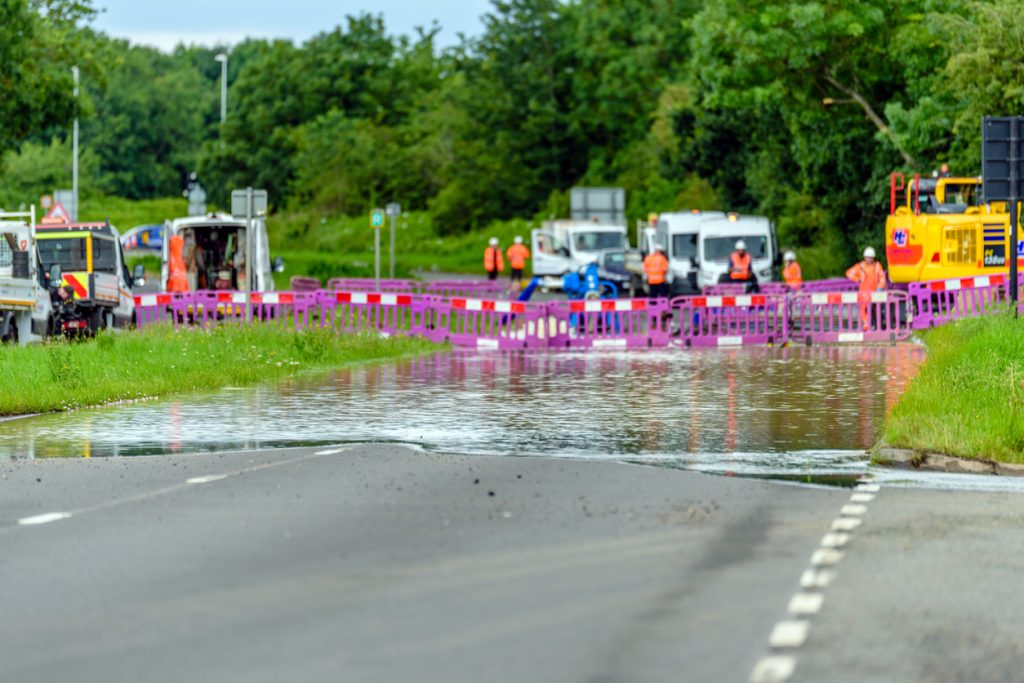
When heavy rainfall cuts off access to a residential estate, movement can become difficult within a short time. Cars may be unable to enter or leave, emergency supplies may be delayed, and residents can become stranded behind flooded roads.
A residential estate emergency boat service provides a practical alternative when road transport is no longer safe. It can help move residents, essential workers, food, medicines and other urgent items between the estate and an accessible pickup point.
For estates in flood-prone parts of Lagos, Rivers, Bayelsa, Delta and other low-lying areas, arranging emergency water transport before conditions worsen can prevent confusion and unsafe last-minute decisions.
When an Estate Should Consider Emergency Boat Transport
Not every flooded road requires a boat. However, estate managers should consider water transport when vehicles can no longer pass without a serious risk of engine damage, drifting or becoming trapped.
A boat service may be needed when:
- Floodwater has covered the estate access road
- Residents cannot reach the nearest major road
- Emergency medical movement is required
- Food, drinking water or medication must be delivered
- Security personnel and essential workers need transport
- Electricity, plumbing or repair teams need to reach the estate
- Elderly residents, children or people with limited mobility require evacuation
For example, an estate in Lekki, Ajah or Sangotedo may still have dry internal roads while the main access route is deeply flooded. In such a case, residents can be collected from a safe internal point and transported by boat to an accessible jetty or nearby road.
What Estate Managers Should Confirm Before Booking
The service provider needs accurate information before sending a boat. Giving incomplete details can result in the wrong vessel being assigned or the operator being unable to reach the pickup location.
Estate management should provide:
- The exact estate location and nearest landmark
- The depth and condition of the floodwater
- The number of passengers to be moved
- Whether luggage, food or equipment will be carried
- The safest boarding and drop-off points
- Whether children, elderly residents or patients are travelling
- The preferred departure time
- A contact person who will coordinate residents
Photos or videos of the flooded area can help the operator understand the route. The pickup point should be free from exposed electrical cables, fast-moving water and submerged obstacles.
Moving Residents and Supplies Safely
Emergency boat movement should be organised in batches rather than allowing everyone to rush towards the vessel at once. Estate security or facility staff should prepare a passenger list and arrange residents according to urgency.
Medical cases, elderly residents, pregnant women and families with young children may need priority. Every passenger should wear a suitable life jacket before boarding.
Supplies must also be packed properly. Medicines, documents, phones and electronics should be sealed in waterproof bags. Food cartons should not be placed directly on a wet boat floor, and heavy items must be distributed evenly to prevent the vessel from becoming unstable.
Travo.ng can help coordinate the boat alongside road transport for residents who need to continue their journey after reaching dry ground.
Mistakes That Can Make the Situation More Dangerous
One major mistake is waiting until the water level becomes extreme before making arrangements. Boat availability may become limited during widespread flooding because several estates and communities may need help at the same time.
Another mistake is using an overloaded or unsuitable vessel. A small boat designed for short local movement should not carry more passengers or cargo than its approved capacity.
Estate managers should also avoid booking an operator who cannot confirm basic safety provisions. Life jackets, a working engine, sufficient fuel and a driver familiar with the area are essential.
Night travel should be avoided where possible. Floodwater may hide fences, drainage channels, abandoned vehicles and floating debris that are difficult to see in poor lighting.
How to Prepare an Estate Before the Rainy Season
Residential estates in areas with a history of flooding should not wait for an emergency before planning.
Management can identify possible boat access points, keep emergency contact numbers, create a resident communication group and maintain a list of people who may require special assistance.
It is also useful to plan where residents will be dropped off and how onward transport will be arranged. A boat may solve only the flooded section of the journey, so cars, buses or ambulances may still be needed at the other end.
Arrange Emergency Estate Boat Transport With Travo.ng
A reliable residential estate emergency boat service can help maintain essential movement when flooded roads make normal access impossible.
Travo.ng helps estates, residents and facility managers coordinate emergency boat transport, supply delivery, vehicle hire and onward road movement. Each trip can be planned around the number of passengers, cargo requirements, water conditions and available access points.
With early preparation, clear communication and the right safety measures, estates can respond to flooding in a more organised way and protect residents from unnecessary risk.
