


Flooding can become a serious threat to livestock within a very short time. Once access roads disappear, animals may become trapped, feed can be destroyed, and farmers may struggle to move cattle, goats, sheep or poultry to safer ground.
Proper livestock evacuation during flooding in Nigeria should begin before water reaches the farm. Waiting until animals are already surrounded by floodwater makes loading more difficult and increases the risk of injury, disease and livestock loss.
Farmers, cooperatives and commercial livestock businesses need a clear plan covering transport, temporary shelter, feeding and access to veterinary support.
Move Animals Before the Main Access Road Fails
The safest evacuation usually happens while trucks and pickups can still reach the farm. Flood-prone routes may remain passable in the morning and become unusable after several hours of heavy rain.
Farmers should monitor nearby rivers, drainage channels and low sections of the access road. Warning signs may include water entering grazing areas, weakening soil around pens or reports of rising water in neighbouring communities.
In areas around Lokoja, Makurdi, Yenagoa and parts of Delta State, floodwater can affect both farms and the roads used to leave them. Early movement gives the transport team more options and reduces the need for risky emergency loading.
Match the Vehicle to the Livestock Being Moved
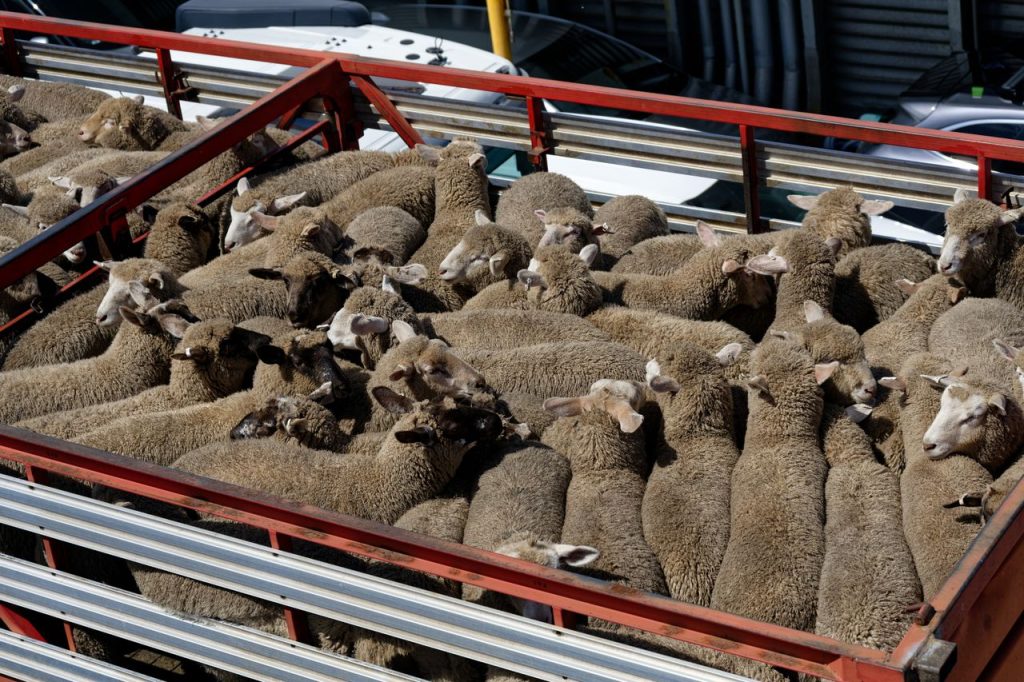
Different animals require different transport arrangements. Cattle need strong livestock trucks with secure side barriers and enough room to stand safely. Goats and sheep can be moved in smaller vehicles, but they still need ventilation and protection from overcrowding.
Poultry requires crates, careful stacking and adequate airflow. Birds should not be packed into closed vans without ventilation, especially during warm weather or long journeys.
Before booking transport, provide accurate details about:
- The type and number of animals
- Their estimated weight and size
- The condition of the farm access road
- The distance to the temporary location
- Whether loading ramps are available
- The number of handlers needed
- Any sick, pregnant or injured animals
This information helps the coordinator select the right vehicle and avoid sending equipment that cannot handle the evacuation.
Loading Animals During an Emergency
Animals may become restless when they sense unusual movement, loud engines or rising water. Rushing them into a vehicle can cause falls, broken limbs and injuries to handlers.
Use familiar farm workers where possible because the animals may respond better to people they recognise. Loading ramps should be stable, dry and wide enough for safe movement.
Do not beat or drag animals into the truck. Move them calmly in manageable groups. Large animals should be separated from smaller ones where possible, and aggressive animals should not be placed beside weak or injured livestock.
For poultry, count crates before departure and secure them properly so they do not shift during movement.
Temporary Shelter Must Be Ready Before Arrival
Evacuating animals without preparing a safe destination only moves the problem elsewhere. The receiving farm, higher ground or temporary shelter should have enough space, clean water and basic feeding arrangements.
The location should also be accessible to livestock vehicles. A dry area that requires the truck to pass through deep mud may still create problems during unloading.
Farmers should arrange:
- Drinking water and feeding points
- Dry resting areas
- Fencing or temporary pens
- Veterinary inspection where necessary
- Separate areas for sick animals
- Security for animals and equipment
Keep records of the number of animals leaving the original farm and the number received at the temporary location.
Protect Feed, Medicine and Farm Equipment
Livestock survival depends on more than moving the animals. Feed, veterinary medicine, milking equipment and important farm records may also need evacuation.
Store feed in sealed bags and keep it above the vehicle floor to protect it from water. Vaccines and temperature-sensitive medicines may require cool boxes during transportation.
Travo.ng can help coordinate livestock vehicles alongside cargo transport for feed, tools and other farm supplies. Where roads are already flooded, the movement may involve both boat transport and road vehicles, depending on the farm’s location.
Avoid These Common Evacuation Mistakes
One major mistake is underestimating the number of vehicles required. Overloading a livestock truck can cause suffocation, injuries and vehicle instability.
Another mistake is choosing a temporary site without confirming water, feed or security. Farmers should also avoid travelling at night on flooded or unfamiliar roads unless the situation is unavoidable.
Keep communication open between the farm, drivers and receiving location. The destination team should be ready before the first vehicle arrives.
Coordinate Livestock Evacuation With Travo.ng
Reliable livestock evacuation during flooding in Nigeria requires early planning, appropriate vehicles and careful handling from the farm to the temporary shelter.
Travo.ng helps farmers, agricultural businesses and organisations arrange livestock transport, vehicle hire, emergency cargo movement and supporting logistics across Nigeria. The movement of animals, feed and essential farm equipment can be coordinated as one practical operation.
Acting before floodwater cuts off access gives farmers a better chance of protecting their animals, reducing losses and restarting operations when conditions improve.
