


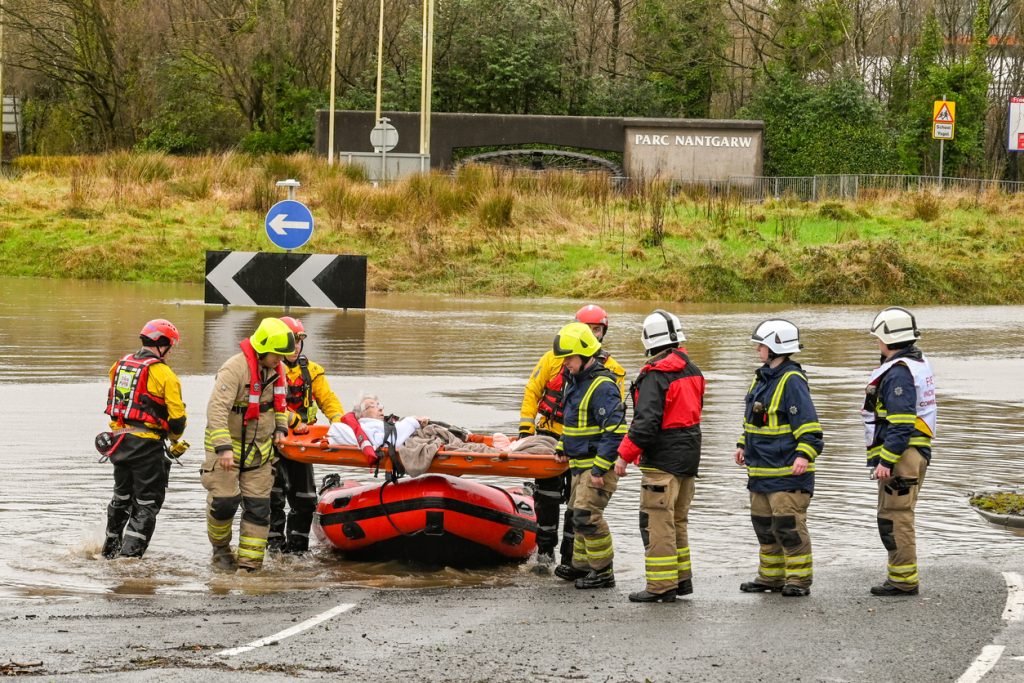
Flooding can become dangerous very quickly, especially when children are involved. Roads may disappear under water, electricity can become unsafe, and families may have only a short time to leave before access routes are completely blocked.
Proper children evacuation during flooding requires more than placing children in any available vehicle. The movement should be organised around safe pickup points, reliable transport, responsible adult supervision and a confirmed destination.
This is especially important in flood-prone parts of Lagos, Bayelsa, Rivers, Delta, Kogi and communities near rivers or poorly drained roads. Travo.ng can help families, schools and organisations coordinate emergency transport when normal movement becomes difficult.
Move Children Before the Route Becomes Impassable
One of the biggest mistakes families make is waiting until floodwater enters the house before making transport arrangements. By that stage, nearby roads may already be unsafe for cars, and available boats or high-clearance vehicles may be difficult to find.
Children should be moved early when official warnings are issued, rainfall continues for several hours or water begins rising around access roads.
Early evacuation gives parents more time to pack essential items, confirm the destination and choose a safer route. It also reduces the panic that can make children frightened or difficult to manage.
Where possible, families should identify at least two evacuation options before the rainy season becomes severe.
Choose Transport Based on the Water Level
The safest transport option depends on the route and the depth of the floodwater.
A bus or car may still be suitable if the road remains visible and the water is shallow. A high-clearance vehicle may be needed where sections of the road are waterlogged but still considered safe.
When roads are no longer passable, a properly operated boat may be the better option. Children should never be placed in an overcrowded canoe or vessel without life jackets.
For journeys involving both water and road travel, transport should be coordinated from the flooded community to a safe jetty and then onward by car or bus.
Travo.ng can help arrange boat transport, vehicle hire and onward movement as part of one evacuation plan.
What Every Child Should Carry
Children should travel with a small, clearly labelled bag rather than heavy luggage. The bag should contain only items needed during the journey and the first few hours after arrival.
Useful items include:
- A change of clothes
- Drinking water and light snacks
- Essential medication
- A small towel
- Identification details
- Emergency contact numbers
- Baby supplies where required
Important documents should be sealed inside waterproof bags. Parents should also write the child’s name, guardian’s phone number and destination on a card placed inside the bag.
For younger children, a wristband or tag with contact details can be useful if family members become separated.
Schools Need a Clear Evacuation Procedure
Schools in flood-prone areas should not wait for an emergency before deciding how children will be moved.
A practical plan should identify which parents will collect their children, which pupils require organised transport and where buses should assemble. Schools should also keep updated contact records and assign staff members to supervise each group.
Children should not be released to unfamiliar drivers or adults simply because the situation is urgent. Each handover should be recorded, including the child’s name, departure time and the person receiving them.
If school buses are used, drivers should avoid flooded shortcuts and follow confirmed safe routes, even when the alternative journey takes longer.
Keep Children Calm During the Journey
Flood evacuation can be frightening for children, particularly when they see damaged homes, deep water or distressed adults.
Explain what is happening in simple language without giving unnecessary details that may increase fear. Children should stay close to their assigned adult and should not be allowed to play near floodwater or loading areas.
During boat movement, life jackets must remain fastened throughout the trip. In vehicles, children should stay seated and windows should remain closed where water or debris may enter.
Adults should avoid shouting unless there is immediate danger. Calm instructions make it easier to move groups safely.
Confirm the Destination Before Departure
Every evacuation should end at a confirmed safe location. This may be a relative’s home, hotel, school shelter, community centre or temporary accommodation outside the flooded area.
Before leaving, confirm that the destination is accessible and has enough space for the children and accompanying adults. Also check whether food, water, electricity and basic medical support are available.
For interstate movement, travel time and road conditions should be considered carefully. A family leaving a flooded part of Kogi for Abuja, for example, may need rest stops and accommodation arrangements.
Travo.ng can support emergency vehicle hire, hotel reservations and transport coordination when evacuation requires movement beyond the immediate area.
Arrange Children Evacuation Support With Travo.ng
Successful children evacuation during flooding depends on early planning, suitable transport and clear communication between parents, schools, drivers and receiving locations.
Travo.ng helps coordinate emergency road transport, boat movement, group transfers, hotel bookings and other practical travel support across Nigeria.
By acting before access routes are completely blocked, families and organisations can move children with less confusion and reduce the risks associated with last-minute evacuation.
