


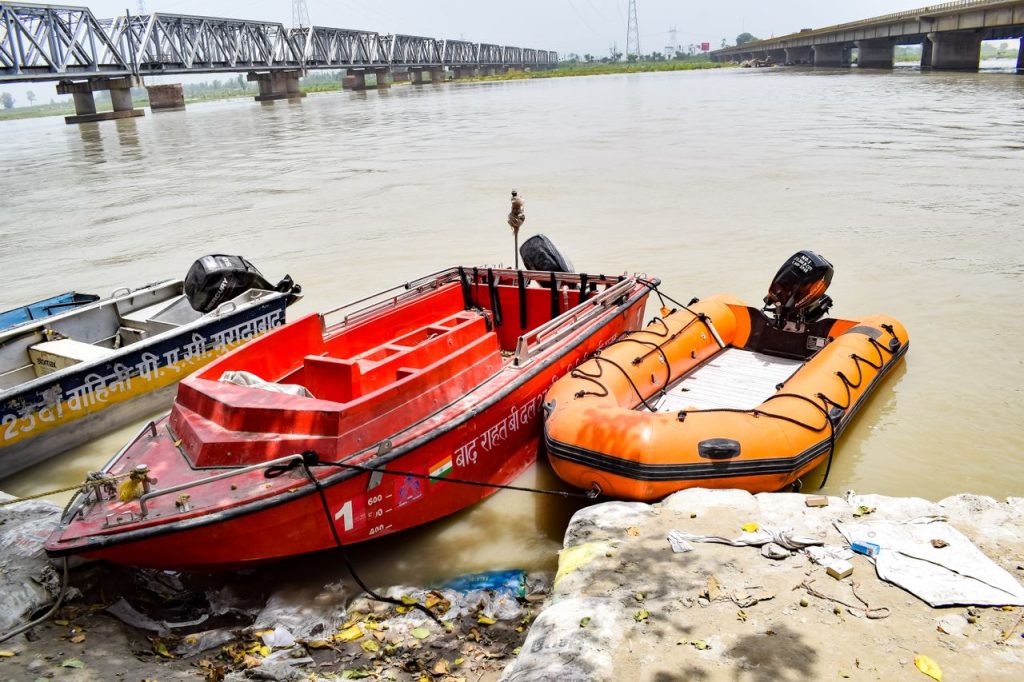
When roads are flooded, blocked or too damaged for trucks to pass, relief supplies can quickly become stranded. Food, bottled water, medicines and shelter materials may be available in Lagos, yet the communities that need them remain difficult to reach.
A reliable relief cargo ferry Lagos service can help humanitarian teams, businesses, community groups and government agencies move essential goods through waterways when road transport is no longer practical.
The operation must still be carefully planned. The vessel, loading point, cargo weight, weather conditions and final delivery arrangements all affect whether the supplies arrive safely and on time.
When Water Transport Becomes the Practical Option
Road transport is normally the first choice for emergency cargo because trucks can carry large volumes. However, Lagos has several waterfront and low-lying communities where heavy rainfall can make road access difficult.
Areas around Makoko, Iwaya, Badia, Ajegunle waterfronts and some parts of Lekki may require alternative transport during severe flooding. Boats can also help move supplies between jetties when bridges, access roads or drainage routes are affected.
A cargo ferry may be suitable when:
- Trucks cannot safely enter the affected area
- The delivery point is close to a navigable waterway
- Supplies are needed before floodwater recedes
- Several small boat trips would be inefficient
- Emergency teams need equipment moved with the cargo
- Road diversions would cause unacceptable delays
The right option depends on the quantity of goods and the condition of the route.
How Relief Cargo Should Be Prepared
Relief goods should never be loaded loosely onto a ferry. Rain, splashes and shifting cargo can damage essential items before they reach the destination.
Rice, beans, garri and other dry food should be placed in sealed sacks or waterproof outer packaging. Medicines and medical consumables need secure containers, especially where temperature or moisture could affect them.
Bottled water, mattresses, clothing and hygiene kits should be grouped by type and clearly labelled. This makes unloading easier and helps distribution teams confirm quantities.
A basic cargo manifest should include:
- The number of packages
- The estimated total weight
- The contents of each group
- The pickup and delivery points
- The receiving contact
- Any special handling instructions
Accurate information helps the operator select a vessel with the correct load capacity.
Loading Points Can Cause More Delay Than the Journey
In many relief operations, the biggest problem is not the time spent on the water. It is getting cargo from the warehouse or truck to the jetty.
A ferry may be waiting at a waterfront location while supplies are still held several kilometres away. If there is no truck, pickup van or loading team available, the operation can lose valuable hours.
The loading area must also be safe enough for people to move heavy cartons and sacks. Narrow access routes, slippery surfaces and crowded jetties can slow the process and increase the risk of injury.
Travo.ng can help coordinate the road pickup, ferry loading and final delivery stages so the entire journey is planned as one movement rather than separate arrangements.
What Determines the Cost of a Relief Cargo Ferry
Pricing is usually affected by the vessel size, distance, cargo weight, fuel requirements and number of trips. Waiting time may also increase the final cost if the cargo is not ready when the ferry arrives.
Emergency movements outside normal operating hours may cost more, especially when additional crew or security arrangements are needed.
Before requesting a quote, provide:
- The exact route
- Total estimated cargo weight
- Number and size of packages
- Preferred departure time
- Condition of the loading points
- Whether loaders are required
- Whether onward road delivery is needed
A complete brief allows the operator to give a more realistic price and schedule.
Safety Must Come Before Delivery Speed
Relief work is urgent, but cargo should not be overloaded to reduce the number of trips. Excess weight can make a vessel unstable, particularly in poor weather or strong currents.
The crew should understand the route and check weather conditions before departure. Cargo must be balanced and secured so it does not shift while the ferry is moving.
Passengers travelling with the supplies should have life jackets, and only authorised personnel should be allowed in the loading area. Night journeys should be carefully assessed because visibility can be poor around unfamiliar waterfront routes.
Coordinate Relief Cargo Ferry Lagos Services With Travo.ng
A dependable relief cargo ferry Lagos operation requires more than hiring a boat. It involves cargo preparation, road pickup, secure loading, water transport and organised handover at the destination.
Travo.ng helps charities, businesses, emergency teams and community organisations coordinate ferry transport, cargo movement, vehicle hire and delivery support across Lagos.
By planning each stage together, relief supplies can move faster, losses can be reduced and affected communities can receive essential goods with fewer operational setbacks.
