


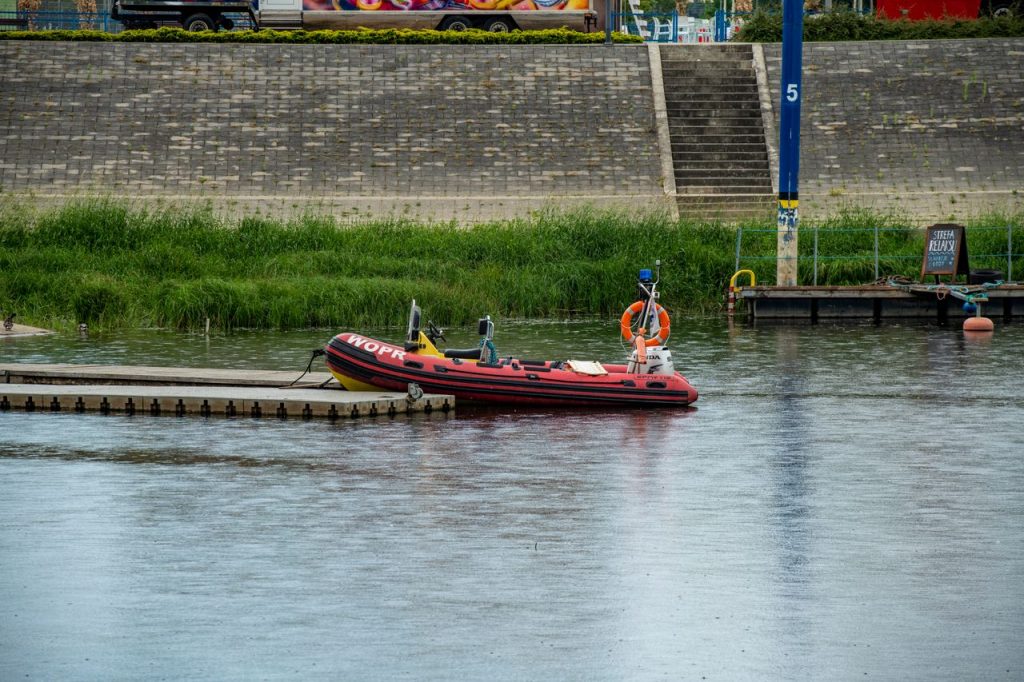
When roads become impassable or communities are cut off by flooding, relief supplies still need to move. Food, medicine, drinking water, clothing and rescue equipment may have to reach places that vehicles cannot access.
This is where emergency aid transport by boat becomes essential. It allows humanitarian teams, businesses, community groups and government agencies to move urgent supplies through waterways and flooded areas.
However, boat transport during an emergency should not be arranged casually. The type of vessel, water conditions, cargo weight, loading point and destination all affect whether the trip can be completed safely.
When Road Transport Is No Longer Practical
Flooding can make familiar roads dangerous long before they become completely submerged. Drivers may be unable to see potholes, drainage channels or damaged sections of the road beneath the water.
In riverine parts of Bayelsa, Rivers, Delta and Lagos, boats may be the only dependable way to reach isolated settlements. Similar challenges can occur around Makoko, Bonny, Nembe and communities along creeks where road access is already limited.
Boat transport may be required when:
- Floodwater is too deep for vans or trucks
- Bridges or access roads are damaged
- Relief camps are located near waterways
- Communities are cut off from major towns
- Medical supplies must arrive urgently
- Food and water need to be delivered in bulk
The earlier an alternative route is planned, the easier it is to avoid delays and unsafe last-minute decisions.
Matching the Boat to the Relief Supplies
Not every boat can carry the same type or quantity of cargo. A small passenger boat may be suitable for a few cartons of medicine but not for bags of rice, bottled water and fuel containers.
Before booking, provide an accurate estimate of the cargo weight and volume. The operator should also know whether the shipment contains fragile, hazardous or temperature-sensitive items.
Medical supplies, documents and electronic equipment should be packed inside waterproof containers. Food should be sealed and kept away from fuel, chemicals or wet surfaces.
Heavy items must be distributed evenly inside the vessel. Poor weight balance can make the boat unstable, even when the total load appears to be within capacity.
Planning the Loading and Offloading Points
A successful emergency delivery depends on more than the journey across the water. The pickup and drop-off points must also be accessible.
A truck may bring relief materials from a warehouse in Lagos, Port Harcourt or Yenagoa to the nearest safe jetty. From there, the goods can be transferred into a boat for the final stage of the trip.
The receiving location should have enough people and space to offload the supplies quickly. If the boat has to wait for several hours, the operator may face changing water levels, worsening weather or reduced daylight.
Travo.ng can help coordinate road transport, boat movement, cargo pickup and final delivery so that each stage connects properly.
Safety Checks Before the Boat Leaves
Emergency conditions do not remove the need for basic safety procedures. Every trip should be handled by an experienced operator who understands the local waterway.
Before departure, confirm that:
- The vessel is suitable for the route
- The boat is not overloaded
- Life jackets are available
- The engine and fuel supply are adequate
- Cargo is secured against movement
- Communication devices are working
- The operator knows the receiving contact
- Weather conditions are safe enough for travel
Night travel should be avoided where possible, especially on unfamiliar waterways. Floating debris, submerged structures and strong currents are harder to detect in poor visibility.
What Information Helps Prevent Delays
Incomplete information can cause serious problems during relief operations. The transport coordinator needs clear instructions before dispatch.
Provide the exact pickup location, destination, nearest jetty, contact numbers and expected number of packages. Also state whether the receiving community has a usable landing point.
For urgent medical deliveries, explain the deadline and whether the items require cold storage. If the supplies will continue by road after the boat arrives, arrange the onward vehicle before departure.
Photos, map pins and short videos of the loading area can help the operator assess access conditions.
Common Problems During Emergency Boat Deliveries
One major mistake is underestimating the size of the shipment. When more goods arrive than the boat can safely carry, the delivery may require additional trips and higher costs.
Another problem is poor packaging. Cardboard cartons can weaken quickly when exposed to rain or splashing water. Relief items should have sealed inner packaging even when they are placed inside larger boxes.
Teams should also avoid sending aid without confirming that someone is available to receive and distribute it. Supplies left unattended at a jetty can be damaged, misplaced or taken by the wrong people.
Coordinate Emergency Aid Transport With Travo.ng
Reliable emergency aid transport by boat requires safe vessels, experienced operators, proper packaging and clear communication between everyone involved.
Travo.ng helps organisations, businesses and community groups coordinate boat transport, cargo movement, emergency deliveries and supporting road logistics across Nigeria.
Whether the aid includes food, medicine, clothing or essential equipment, Travo.ng can help plan the movement from the original pickup point to the affected community. Proper coordination reduces delays and helps urgent supplies reach the people who need them safely.
