


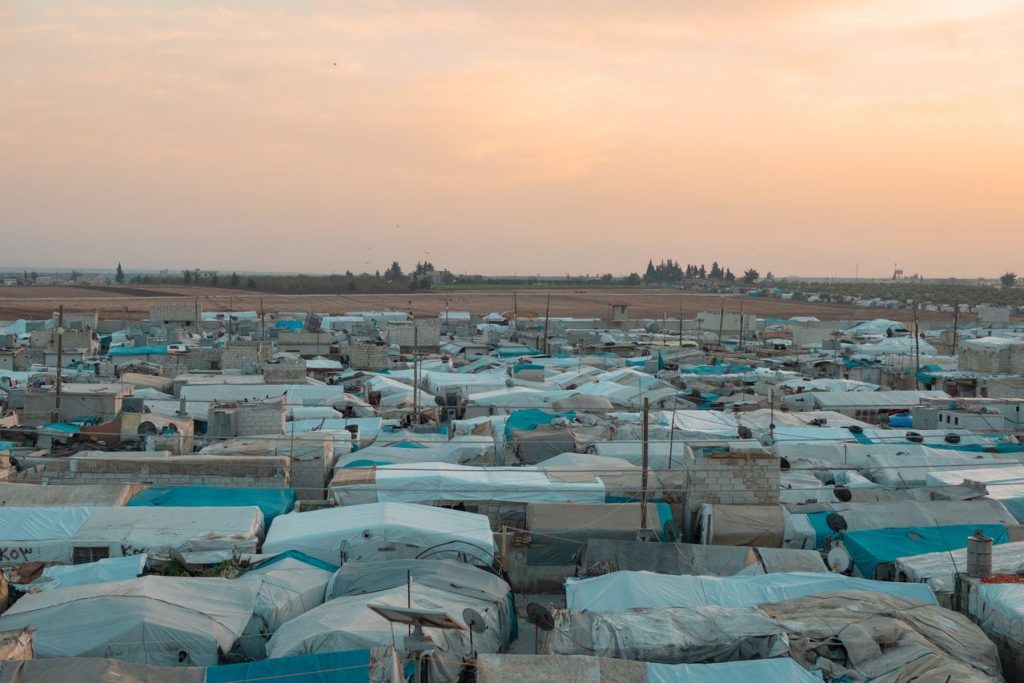
Providing mattresses to displaced families is not simply a matter of buying bedding and loading it onto a truck. Successful mattress delivery to displacement camps requires accurate planning, suitable vehicles, clear access arrangements and coordination with the people managing the camp.
Mattresses are bulky, easily stained and difficult to transport in large quantities. A vehicle may reach its weight limit slowly but run out of space very quickly. This makes proper loading and vehicle selection especially important for charities, government agencies, religious organisations, corporate donors and community groups supporting displaced people in Nigeria.
Travo.ng can help coordinate the pickup, transport and delivery of mattresses to camps and temporary shelters across the country.
Confirm the Actual Number of Mattresses Needed
Before arranging transport, confirm the number and type of mattresses required. A camp may have hundreds of residents, but not every household will need the same quantity.
The camp coordinator should provide information about family sizes, sleeping arrangements and available storage space. This prevents too few mattresses from being delivered or excess stock from being left outside without protection.
It is also important to confirm whether the mattresses are:
- Single or double-sized
- Foam or spring mattresses
- New or donated
- Wrapped individually
- Supplied with mats, pillows or bed frames
A delivery involving 200 slim foam mattresses will require a different loading plan from one involving thick spring mattresses.
Choose a Vehicle Based on Volume
Mattress transport is usually limited by space rather than weight. Small vans may work for a limited community donation, while larger trucks are more suitable for bulk deliveries.
The mattresses should be stacked carefully and secured so they do not shift while the vehicle is moving. If they are pressed too tightly against sharp metal edges, the covering may tear before arrival.
For example, mattresses collected from warehouses in Lagos and delivered to a displacement camp in Benue or Borno may spend many hours on the road. They must be protected against rain, road dust and repeated handling during the journey.
A covered truck is normally more suitable than an open vehicle. Where an open truck must be used, strong tarpaulins should cover the entire load and remain firmly tied throughout the trip.
Check Road and Camp Access Before Dispatch
Some displacement camps are located away from major roads or in areas where large trucks cannot enter easily. The delivery team should confirm the condition of the final access route before departure.
During the rainy season, unpaved roads may become muddy or difficult for heavily loaded vehicles. Security restrictions, checkpoints or camp entry procedures may also affect the delivery time.
Before dispatch, confirm:
- The exact camp location and nearest landmark
- The name and phone number of the receiving officer
- The best vehicle size for the access road
- Permitted delivery hours
- Security or identification requirements
- Whether workers are available for unloading
- Where the mattresses will be stored after delivery
Without this information, the driver may arrive and spend several hours waiting for authorisation or help with unloading.
Protect Mattresses From Rain and Contamination
Every mattress should be wrapped before transportation. Plastic packaging helps protect the bedding from moisture, dirt and contamination during loading and unloading.
Donated mattresses should be inspected before dispatch. Wet, mouldy, badly torn or heavily stained bedding should not be included simply to increase the number of items delivered.
Mattresses should not be placed directly on a dirty truck floor. A clean sheet, protective liner or pallet can create a barrier between the load and the vehicle surface.
At the camp, the receiving team should move the mattresses into a dry storage area immediately. Leaving them outside, even briefly, can expose them to rain, dust or damage.
Plan Distribution Before the Truck Arrives
Delivering mattresses to the camp gate is only one part of the operation. The organisation should decide how they will be distributed before the vehicle arrives.
A numbered list, household register or distribution token can help prevent confusion and overcrowding. Priority may be given to pregnant women, elderly residents, people with disabilities and families with young children.
Where the camp is large, mattresses can be unloaded in batches rather than all at once. This keeps the distribution area organised and reduces the chance of items being damaged or collected by the wrong recipients.
Coordinate Mattress Delivery With Travo.ng
Reliable mattress delivery to displacement camps requires suitable transport, secure packaging, accurate directions and strong communication with camp officials.
Travo.ng helps humanitarian organisations, businesses and private donors arrange vehicle hire, bulk cargo transport, delivery scheduling and logistics coordination across Nigeria.
By planning the pickup, long-distance movement and final unloading together, donors can reduce delays and ensure the mattresses reach displaced families in clean, usable condition.
