


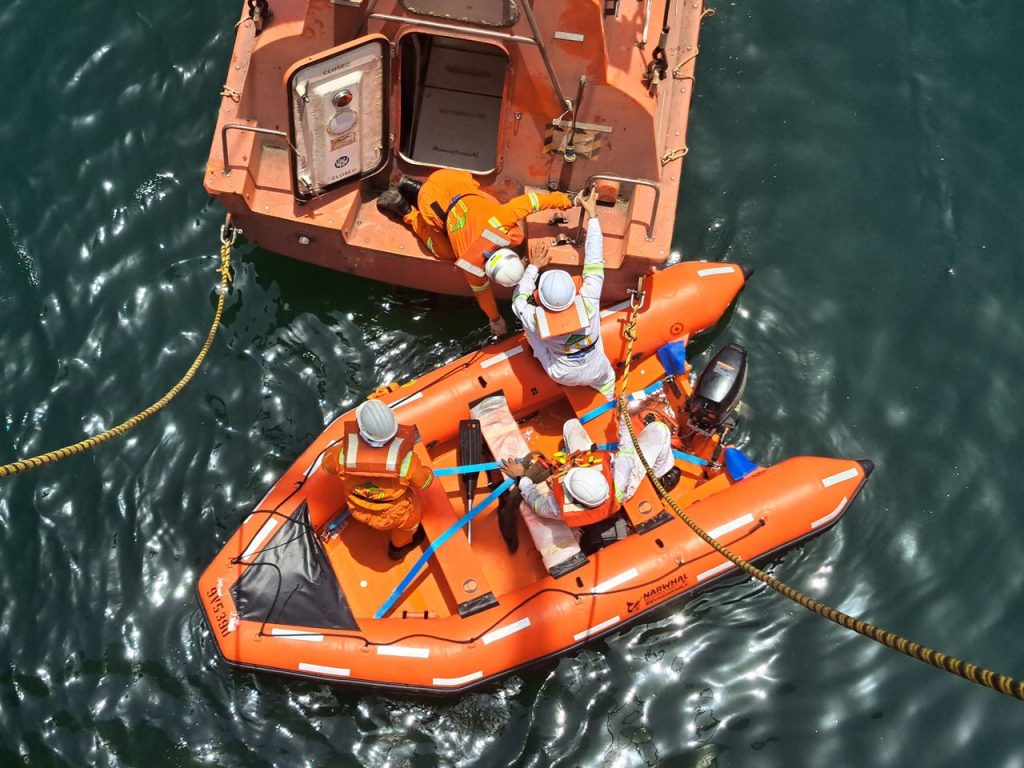
Moving a patient to hospital is stressful in any situation, but it becomes more complicated when roads are flooded, blocked or inaccessible. In waterfront and riverine parts of Lagos, a road ambulance may not always be able to reach the patient directly.
A properly coordinated hospital transfer by boat in Lagos can help move patients from waterside communities to an accessible jetty, where a road ambulance or suitable vehicle can continue the journey to the receiving hospital.
This type of transfer requires more than finding an available boat. The patient’s condition, the water route, weather, loading point, travel time and onward medical transport must all be considered before departure.
When Boat Transfer May Be the Practical Option
Boat transport may be needed when a patient is located in a community that is naturally accessible by water or when flooding has made nearby roads unsafe.
This may apply in places such as Makoko, Tarkwa Bay, Ilashe, Ibeshe and other waterfront communities around Lagos. Boat movement may also be considered when severe flooding affects access roads in parts of Lekki, Ajah or the Lagos Island axis.
The aim is usually not to take the boat directly to a hospital building. Instead, the boat carries the patient to a safe jetty where the journey can continue by road.
The transfer should be planned early because delays at the jetty can cancel out the time saved on the water.
The Patient’s Condition Determines the Arrangement
Not every patient can travel in the same type of boat. Someone going for a scheduled appointment may only need stable seating and assistance getting on and off the vessel.
A patient with an injury, breathing difficulty, severe weakness or limited mobility may require additional support. Where necessary, a trained medical escort should accompany the patient.
Before booking, provide clear information about:
- The patient’s current condition
- Whether the patient can sit upright
- Any mobility limitations
- Medical equipment travelling with the patient
- The pickup location
- The receiving hospital
- The preferred jetty for road transfer
Emergency cases should be directed to the appropriate emergency medical service. Boat transport must not replace professional medical advice or treatment.
Safe Loading Is Often the Most Difficult Stage
The journey itself may be straightforward, but transferring a sick or injured person into and out of the boat can be challenging.
The pickup point should have enough space for assistants to support the patient without slipping or losing balance. A narrow wooden platform, damaged jetty or steep waterfront edge may require extra manpower and equipment.
Where a stretcher is needed, the operator should confirm that the boat has adequate space and that the stretcher can be secured. The vessel must not be overloaded with passengers, luggage or medical supplies.
Every passenger should wear a life jacket, including the patient where medically appropriate. Bags containing medication, documents and electronic medical equipment should be protected from water.
Coordinate the Boat and Road Ambulance Together
One of the most common mistakes is arranging the boat first and looking for onward transport later. The patient may then reach the jetty and wait unnecessarily before continuing to hospital.
For example, a patient travelling from a waterfront community near Lekki may be moved by boat to a recognised jetty, then transferred by road to a hospital in Victoria Island, Ikoyi or another part of Lagos.
The boat operator, road transport provider and receiving facility should all have the same estimated arrival time. They should also exchange clear contact details in case weather, traffic or water conditions cause delays.
Travo.ng can assist with coordinating the boat journey, road transfer, vehicle hire and related movement logistics as one connected trip.
What Can Delay a Hospital Boat Transfer
Weather conditions can affect departure and travel time. Heavy rain, poor visibility, strong winds and rough water may make a route unsafe.
Other common causes of delay include unclear pickup directions, unavailable life jackets, unsuitable loading points and last-minute changes to the receiving hospital.
Lagos road traffic also matters. Even after the patient reaches the jetty, the road journey may be delayed around Lekki–Epe Expressway, Ozumba Mbadiwe Avenue, Marina or Third Mainland Bridge.
A realistic plan should therefore include extra time for boarding, unloading and the road connection.
Book Hospital Transfer Support Through Travo.ng
A safe hospital transfer by boat in Lagos depends on careful coordination from the patient’s location to the receiving hospital. The right boat, trained operator, safe loading point and reliable onward vehicle should be arranged before movement begins.
Travo.ng helps individuals, families and organisations coordinate boat transport, road transfers, vehicle hire and other mobility support across Lagos.
By planning both stages of the journey together, patients can avoid unnecessary waiting and move from difficult-to-reach locations with greater safety, care and organisation.
