


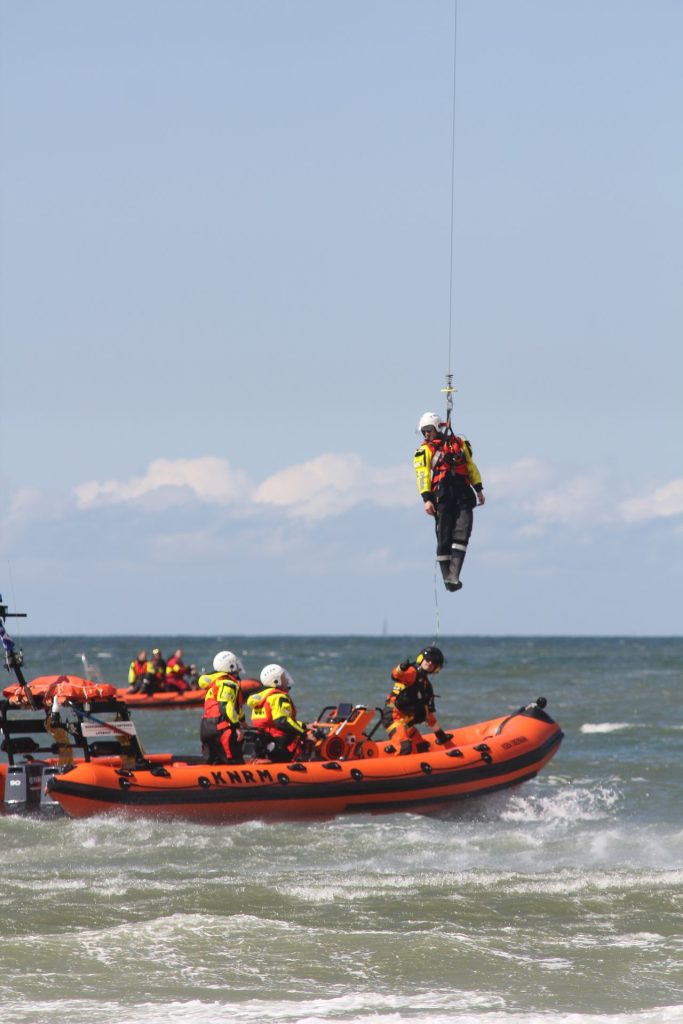
A medical emergency in a waterfront or riverine community requires faster decisions than an ordinary passenger trip. When road access is poor, flooded or completely unavailable, medical evacuation by boat in Lagos may provide the most practical route to a hospital or a location where a road ambulance can continue the journey.
This service can support patients in communities around Makoko, Badagry, Epe, Ikorodu, Ibeju-Lekki and other areas connected by creeks or lagoons. However, moving a sick or injured person by water requires careful coordination between the family, boat operator, medical personnel, receiving hospital and road transport team.
The priority is not simply finding the nearest boat. It is arranging a suitable vessel, trained support and a clear handover plan.
Call Emergency Services Before Arranging Transport
A medical professional or emergency responder should assess the situation whenever possible. Some patients need stabilisation before movement, while others may require oxygen, bleeding control, careful positioning or continuous monitoring during the trip.
Lagos residents can contact the recognised emergency lines on 112 or 767 when urgent ambulance assistance is required. Lagos State advises the public to use these official numbers rather than dealing with individuals who falsely claim to represent emergency services.
Provide clear information about the patient’s condition, exact location, nearest jetty and the safest access route. Do not delay an emergency call while searching independently for transport.
What the Transport Coordinator Needs to Know
The boat and support arrangement will depend on the patient’s condition and the environment around the pickup point.
Before dispatch, provide:
- The patient’s approximate age and condition
- The nature of the illness or injury
- Whether the patient is conscious
- The pickup location and nearest accessible jetty
- The preferred hospital or receiving facility
- The number of accompanying people
- Any medical equipment required
- Whether a vehicle can reach the destination jetty
A patient who can sit upright may have different transport requirements from someone who must remain on a stretcher. The operator also needs to know whether the loading point has enough space to transfer the patient safely.
The Boat Trip Is Only One Part of the Evacuation
One of the biggest mistakes is arranging water transport without planning what happens after the boat arrives.
For example, a patient may be moved from a waterfront community to a jetty in Ikorodu, but still require an ambulance or suitable vehicle to reach the hospital. If the road vehicle arrives late, the patient could remain exposed at the jetty while the family makes emergency calls.
The complete evacuation plan should include:
- Patient pickup from the original location
- Safe loading into the boat
- Water transport to the selected jetty
- Transfer into a waiting ambulance or medical vehicle
- Confirmation that the hospital is ready to receive the patient
Travo.ng can help coordinate the boat, jetty pickup and onward road transport so that every stage connects properly.
Safety Cannot Be Sacrificed for Speed
Even during a medical emergency, the vessel must not be overloaded. The operator should understand the route, current water conditions and the location of safe landing points.
Life jackets should be available and properly worn by passengers who can use them safely. National emergency authorities identify life-jacket use, avoiding overloading and using competent operators as essential measures for reducing waterway accidents.
The patient should be protected from rain, spray, direct sunlight and unnecessary movement. Medical equipment, medicines and personal documents should be placed in waterproof coverings.
Night travel may introduce additional risk because floating debris, fishing equipment and poorly lit structures can be difficult to see. Where night movement cannot be avoided, the vessel should have proper lighting and an operator familiar with the route.
Prepare the Receiving Hospital Before Departure
Do not assume that every nearby clinic can handle a serious emergency. Confirm that the chosen facility can manage the patient’s condition and that staff are expecting the arrival.
Share the estimated departure time, water route and destination jetty with the receiving team. A family member should also carry identification, medical records, current medication details and payment information where available.
Clear communication reduces confusion when the patient reaches the hospital.
Coordinate Medical Evacuation With Travo.ng
Reliable medical evacuation by boat in Lagos depends on fast communication, suitable water transport and a properly arranged transfer to medical care.
Travo.ng helps families, businesses and organisations coordinate emergency boat movement, road transport, vehicle hire and delivery of essential supplies. The service can also support the movement of medical personnel or equipment to locations that are difficult to reach by road.
During an emergency, contact recognised emergency services first. Where boat and onward transport are required, Travo.ng can help connect the different stages of the journey and reduce delays between the patient’s location and the receiving hospital.
