


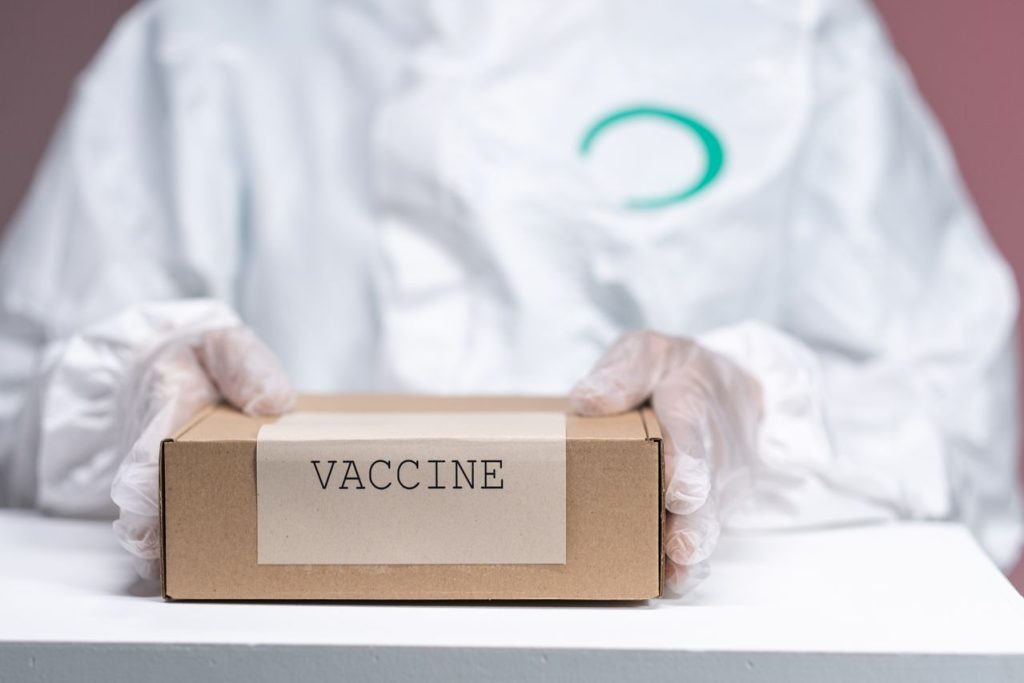
Flooding can interrupt road access within a short time, leaving health centres, pharmacies and outreach teams without the vaccines they need. When regular delivery vans cannot pass through affected roads, delays can disrupt immunisation schedules and put temperature-sensitive medical supplies at risk.
Reliable vaccine delivery during flooding requires more than finding an alternative vehicle. The journey must protect the cold chain, account for changing road conditions and ensure that the consignment reaches the correct health facility without unnecessary handling.
In flood-prone parts of Lagos, Bayelsa, Rivers, Delta, Anambra and other states, medical logistics teams often need to combine road transport, boats and secure insulated storage to complete one delivery.
Floodwater Can Turn a Simple Delivery Into a Complex Route
A vaccine consignment may leave a central store in good condition but still face major delays before reaching the final clinic.
For example, a delivery travelling from a state medical store to a riverine health centre may begin by road, stop at an accessible jetty and continue by boat. At the destination, another vehicle or motorcycle may be needed to cover the final distance.
Each transfer creates an additional risk. The vaccine carrier can be exposed to heat, rain, rough handling or long waiting times if the journey is not properly coordinated.
Before dispatch, the operations team should confirm:
- Which roads are still passable
- The nearest safe loading point
- Whether a boat is required
- The estimated journey duration
- Who will receive the consignment
- Where the vaccines will be stored on arrival
This information helps prevent drivers and health workers from improvising after the trip has already started.
Keeping the Cold Chain Stable Throughout the Journey
Vaccines must remain within their required temperature range from collection to delivery. Flooding makes this harder because travel times may increase and reliable electricity may not be available at temporary storage points.
Approved vaccine carriers, cold boxes and correctly conditioned ice packs should be prepared before departure. Temperature monitoring devices should remain with the consignment so the receiving team can confirm that storage conditions were maintained.
The box should not be opened repeatedly during transfers. Every unnecessary inspection allows cold air to escape and increases exposure to outside temperatures.
If the journey involves several hours on the road or water, the team should calculate whether the cold box can maintain the required temperature for the full trip, including delays.
Why Ordinary Dispatch Riders May Not Be Suitable
A standard delivery rider may be useful for moving documents or small parcels, but vaccine transport requires more controlled handling.
The delivery person should understand that the package must remain upright, protected from sunlight and secured against movement. They should also know who is authorised to receive it and what to do if the planned route becomes inaccessible.
During heavy flooding, motorcycles may be unable to pass safely through submerged roads. Riders who attempt to cross deep water can damage the consignment, lose control of the bike or become stranded.
Travo.ng can help coordinate suitable vehicles, trained drivers, boat transport and backup routing based on the location and urgency of the medical delivery.
Information Needed Before Booking the Delivery
Accurate details make it easier to choose the right transport and avoid delays.
The booking request should include:
- The collection and delivery addresses
- The number and size of vaccine carriers
- The required delivery deadline
- The contact details of the receiving officer
- The expected temperature range
- Known flooding or access problems
- Whether onward boat transport is needed
- Any backup health facility approved to receive the vaccines
The receiving team should be informed before dispatch. A cold box should never be left outside a closed clinic or handed to an unauthorised person because the responsible officer cannot be reached.
Common Mistakes During Flood Emergency Deliveries
One of the biggest mistakes is assuming that the normal route will remain open. Water levels can rise quickly after continued rainfall, especially near drainage channels, low-lying roads and riverbanks.
Another mistake is booking each stage separately without a central coordinator. When the road vehicle, boat operator and receiving facility are not working with the same schedule, vaccines may spend too much time waiting at transfer points.
Teams should also avoid overloading boats or carrying vaccine boxes with unrelated cargo that can crush, contaminate or obstruct them.
Coordinate Vaccine Logistics With Travo.ng
Safe vaccine delivery during flooding depends on route planning, cold-chain protection and reliable communication between everyone involved.
Travo.ng supports medical organisations, pharmacies, clinics, outreach teams and public health projects with delivery coordination, vehicle hire, boat transport and emergency logistics across Nigeria.
Where one journey requires both road and water transport, Travo.ng can help organise the stages together. This reduces waiting time, protects the consignment and improves the chance of vaccines reaching the right facility while still within the required temperature range.
