


Reaching a community is not always as simple as putting goods in a van and following a map. Across Nigeria, some locations become difficult to access because of damaged roads, seasonal flooding, weak bridges, sandy tracks or long distances from major towns.
For businesses, relief organisations, health workers and families, arranging delivery to inaccessible communities Nigeria requires careful planning. The vehicle, route, packaging and timing must all match the conditions on the ground.
A standard courier arrangement may work within Lagos, Abuja or Port Harcourt, but remote deliveries often need a combination of road transport, motorcycles, boats or local last-mile support.
Why Normal Delivery Vehicles Cannot Reach Every Location
Many rural communities are connected to major roads by narrow tracks that are unsuitable for regular vans or trucks. During the rainy season, these routes may become muddy, flooded or completely blocked.
A vehicle carrying food supplies from Benin City to a small community in Edo State, for example, may complete most of the journey on a paved road. The final kilometres could involve a rough track that requires a four-wheel-drive vehicle or motorcycles.
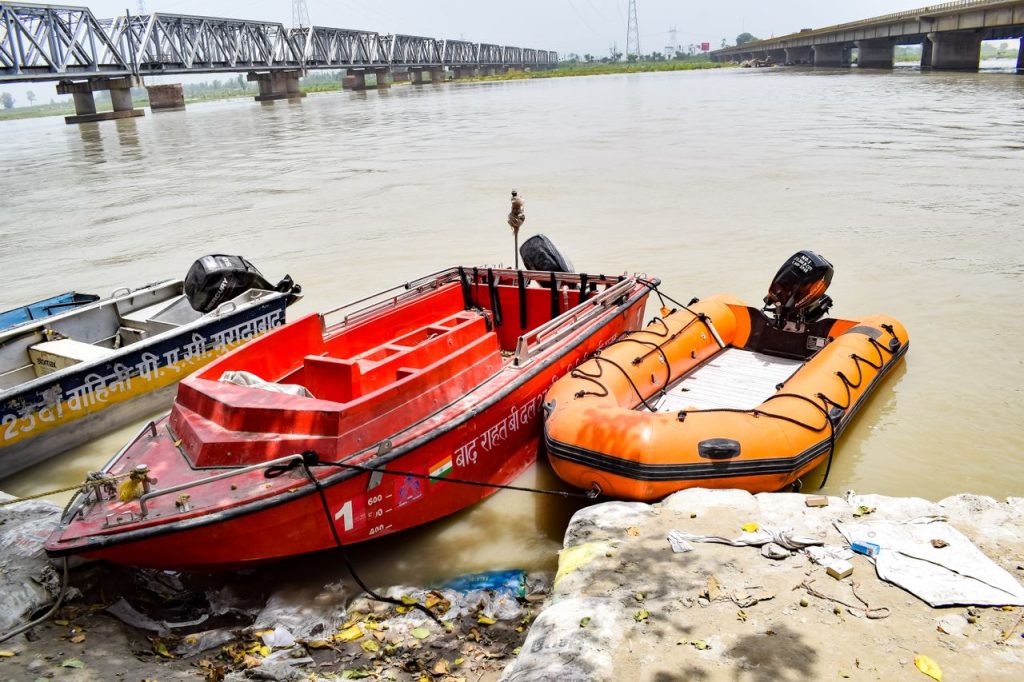
Similar problems occur in riverine parts of Bayelsa, Rivers and Delta, where boats may be needed after the road journey ends. In northern farming areas, sandy roads and long distances between fuel stations can also affect delivery schedules.
The last part of the trip is often the most difficult and should never be treated as an afterthought.
What to Confirm Before Sending the Goods
Accurate location information is essential. A village name alone may not be enough, especially when different communities have similar names or are not clearly shown on digital maps.
Before dispatch, confirm:
- The nearest major town or motorable road
- A reliable local contact person
- Current road or water conditions
- The type of vehicle that normally reaches the area
- Safe loading and offloading points
- Network availability for phone communication
- Whether the goods must arrive before dark
Drivers should also receive landmarks, written directions and the recipient’s phone number. A location pin can help, but it should not replace instructions from someone who understands the area.
Packaging Goods for Rough and Multi-Stage Journeys
Goods travelling to remote locations are usually handled more than once. A parcel may move from a truck to a smaller vehicle, then to a motorcycle or boat before reaching the recipient.
Weak cartons can tear during repeated loading. Food items may be exposed to rain, while medicine and electronics can be damaged by heat or water.
Use sealed containers, strong sacks or reinforced cartons depending on the goods. Fragile items should be cushioned and clearly labelled. Where boat transport is involved, waterproof packaging is essential.
Medical supplies, chilled food and other sensitive cargo may also require insulated boxes or cold-chain arrangements throughout the journey.
Why Delivery Times Can Be Difficult to Predict
Remote delivery schedules depend heavily on weather, road conditions and the availability of suitable local transport.
A trip that takes four hours during the dry season may take much longer after heavy rainfall. Drivers may need to wait for floodwater to fall, change routes or transfer the goods to another vehicle.
Businesses should avoid promising exact arrival times without checking local conditions. It is better to provide a realistic delivery window and keep the recipient informed as the consignment moves through each stage.
For urgent deliveries, early morning departure is usually safer. It provides more daylight for navigating poor roads and resolving unexpected delays.
How Businesses Can Reduce Failed Remote Deliveries
Many failed deliveries happen because the sender focuses only on the main road journey. The final connection to the community is not arranged until the driver reaches the nearest town.
This can leave goods stranded while everyone searches for a motorcycle rider, boat operator or smaller vehicle.
A better approach is to plan the full journey before dispatch. Confirm who will handle each stage, how the goods will be transferred and who will receive them at the destination.
Proof of delivery is also important. Depending on network coverage, this may include a signed delivery note, photograph, phone confirmation or message from the local contact.
Arrange Remote Delivery Support With Travo.ng
Successful delivery to inaccessible communities Nigeria depends on local knowledge, suitable transport and clear communication.
Travo.ng helps businesses, organisations and individuals coordinate cargo movement, courier delivery, vehicle hire, boat transport and last-mile support across Nigeria. Where one vehicle cannot complete the entire trip, different transport stages can be planned together.
With proper route checks, secure packaging and reliable local coordination, essential goods can reach communities that ordinary delivery services often struggle to serve.
