


Flooding, road damage, construction work and security restrictions can make ordinary deliveries impossible. A route that drivers use every day may suddenly become blocked, waterlogged or too dangerous for a regular vehicle.
In these situations, delivery when roads are inaccessible requires more than sending another driver to try the same route. The delivery plan may need a different vehicle, a new pickup point, local support or a combination of road and water transport.
For businesses and households, the main concern is usually the same: how to get essential goods to the destination without damaging the items, putting the rider at risk or creating unnecessary delays.
First Confirm Why the Road Cannot Be Used
Not every inaccessible road creates the same delivery problem. The correct solution depends on what is blocking access.
During heavy rainfall, streets in parts of Lekki, Ajah, Ikorodu, Port Harcourt and Yenagoa may become difficult for motorcycles and small cars. In rural areas, unpaved roads can become muddy enough to trap vans and delivery trucks.
Other causes include collapsed bridges, road repairs, community restrictions, market congestion and temporary security checkpoints.
Before dispatching a vehicle, confirm:
- The exact location of the blockage
- Whether motorcycles can still pass
- If larger vehicles have an alternative route
- How far the driver can safely travel
- Whether the recipient can meet at another location
- If the road condition is expected to improve soon
This information helps the logistics team avoid repeated failed attempts.
Use a Safe Handover Point Where Possible
The fastest solution is often to arrange a nearby meeting point that remains accessible. This could be a filling station, junction, school gate, shopping centre or main road close to the final address.
For example, if a delivery van cannot enter a flooded estate in Sangotedo, the recipient may be able to meet the driver at the estate entrance. A smaller vehicle, motorcycle or local boat can then complete the last section where necessary.
The handover point should be easy to identify and safe for both parties. Avoid asking drivers to wait on narrow roads, around hidden drainage channels or in areas where loading could obstruct traffic.
The recipient’s phone number should also remain active throughout the delivery.
Match the Vehicle to the Road Condition
Using the wrong vehicle can damage goods and delay the entire journey. A saloon car may not be suitable for a rough construction route, while a large truck may struggle to turn on narrow community roads.
Depending on the location, the delivery may require:
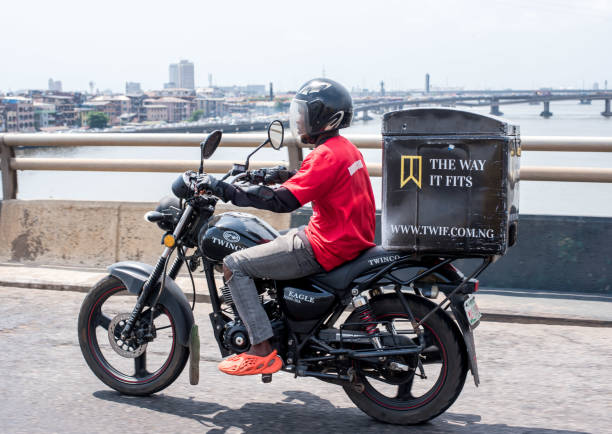
- A motorcycle for narrow or congested streets
- A high-clearance vehicle for rough access roads
- A smaller van for tighter residential areas
- A boat for waterlogged or riverine communities
- Manual transfer for the final short distance
Travo.ng can coordinate suitable vehicles, riders, cargo movement and local delivery support based on the condition of the route.
Where more than one transport method is required, the goods should be packed for repeated handling.
Protect Goods During Multiple Transfers
Deliveries to difficult locations often involve unloading and reloading. Every transfer increases the chance of damage, loss or exposure to rain.
Documents, electronics, medicine and food products should be sealed in waterproof packaging. Fragile items need cushioning, while cartons should be strong enough to remain intact when carried by hand.
Each package should display the recipient’s name, phone number and final destination. Where several items are being moved, create a simple count before dispatch and confirm the count again at each transfer point.
Photographs taken during handover can also help businesses maintain clear delivery records.
Give Customers Realistic Delivery Updates
One of the biggest mistakes during difficult deliveries is giving the customer an arrival time before the route has been properly checked.
A journey that normally takes 40 minutes may take several hours if the driver must turn back, locate another road or wait for a connecting vehicle.
Customers should be told:
- Why the original route cannot be used
- What alternative arrangement is being made
- Whether they need to meet the driver
- The updated delivery window
- Any extra handling or transport charges
Clear updates reduce frustration and prevent the recipient from waiting without information.
Plan Delivery When Roads Are Inaccessible With Travo.ng
Successful delivery when roads are inaccessible depends on accurate route information, suitable transport and good coordination between the sender, driver and recipient.
Travo.ng helps individuals and businesses arrange courier deliveries, cargo transport, vehicle hire and last-mile logistics across Nigeria. Where an ordinary vehicle cannot reach the final address, Travo.ng can help coordinate alternative routes, smaller vehicles, safe handover points or combined transport options.
With proper planning and realistic communication, essential goods can still reach customers even when the usual road is no longer passable.
