


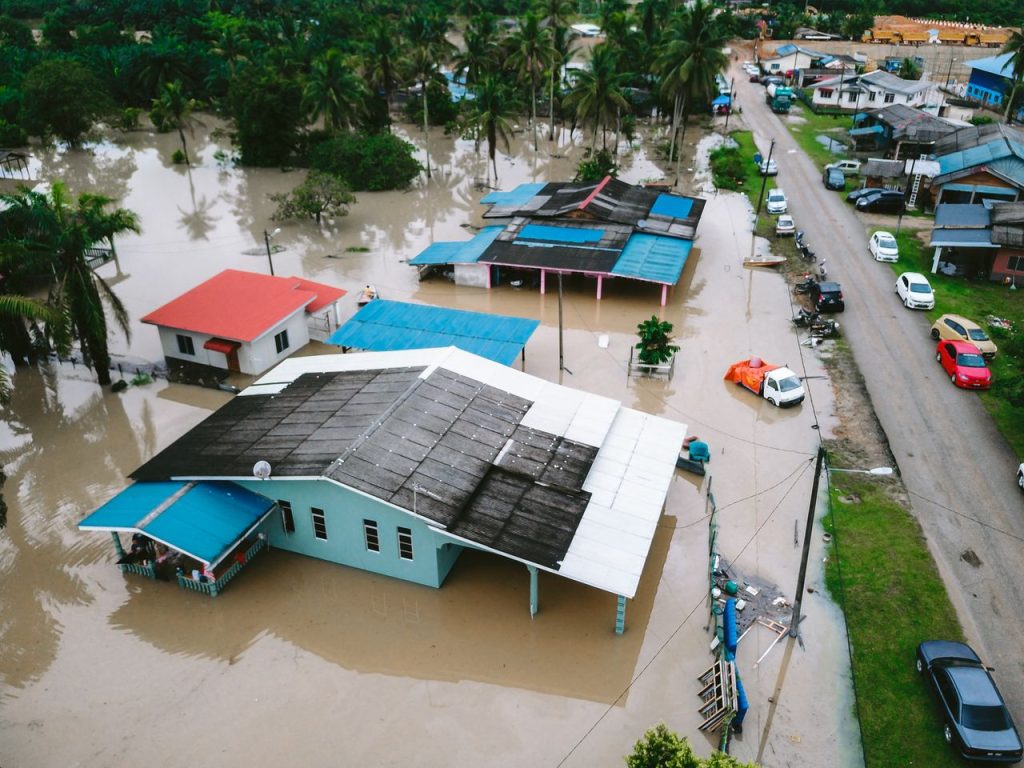
Heavy rainfall can turn a normal Lagos journey into an emergency within a short time. Roads may become impassable, drainage channels can overflow, and residents may suddenly need help moving children, elderly relatives, essential belongings or business equipment to safer areas.
Organising flooded community evacuation in Lagos requires more than sending a vehicle to the location. Access conditions can change quickly, some streets may only be reachable by high-clearance vehicles, and badly affected areas may require boat transport or movement through an alternative pickup point.
A practical evacuation plan should prioritise life safety, clear communication and the fastest safe route out of the affected community.
What to Do Before Floodwater Gets Too High
Evacuation is easier when arrangements begin before water levels become dangerous. Residents should not wait until vehicles can no longer enter the area or people are trapped inside buildings.
Once flooding begins to worsen, identify:
- The number of people who need transport
- Children, elderly people or anyone with limited mobility
- The safest accessible pickup location
- Roads that are still passable
- The destination or temporary shelter
- Essential medicines and documents
- Whether a car, bus, truck or boat is required
In communities around Ajah, Lekki, Ikorodu, Agege or parts of the Lagos mainland, a road that is usable in the morning may become unsafe after several hours of continuous rain. Sending regular cars into deep water can cause breakdowns and place both drivers and passengers at greater risk.
The Pickup Point May Not Be Outside the House
One of the biggest misunderstandings during an evacuation is expecting the vehicle to reach every doorstep. Flood depth, parked vehicles, blocked drains and damaged roads may prevent this.
The safest arrangement may involve moving residents to a nearby school, filling station, major junction or elevated road where a suitable vehicle can collect them.
For example, a bus may be able to reach the entrance of an estate but not the inner streets. In riverine or waterside communities, a boat may first be needed to move people to a location where road transport can continue the journey.
Clear pickup instructions help prevent confusion. Share a working phone number, visible landmark, live location and details of any roadblocks before the driver or boat operator departs.
Choosing Transport for the Actual Flood Conditions
Different flood situations require different transport options. A standard saloon car may be unsuitable even when the water appears shallow.
Depending on the location and severity, evacuation transport may include:
- High-clearance SUVs
- Buses for larger groups
- Trucks for people and essential supplies
- Boats for waterside or deeply flooded areas
- Multiple vehicles for families with luggage
- Ambulance support for medical emergencies
The number of passengers should be confirmed in advance. Overloading a vehicle or boat during an emergency creates another safety problem.
Travo.ng can help coordinate suitable transport, vehicle hire, group movement and logistics support based on the location, passenger count and available access route.
What Residents Should Carry During Evacuation
People often try to move too many belongings, which slows loading and reduces available passenger space. Unless there is enough time and suitable cargo transport, priority should be given to essential items.
Pack medicines, identification documents, phones, chargers, drinking water, basic clothing and supplies for children. Important documents should be placed in sealed waterproof bags.
Businesses may also need to move laptops, records, small stock items or sensitive equipment. Larger goods should be handled separately through cargo transport where conditions allow.
Gas cylinders, leaking fuel containers and unsafe electrical equipment should not be carried casually with passengers.
Common Delays During Flood Evacuation
Evacuations are often delayed by incomplete addresses, changing pickup locations and failure to confirm how deep the water has become.
Other common problems include:
- Booking a vehicle that cannot access the area
- Waiting until night before requesting help
- Poor phone network or discharged phones
- Unclear passenger numbers
- No confirmed safe destination
- Attempting to drive through unknown flood depth
- Blocking vehicle space with unnecessary belongings
Residents should avoid walking or driving through fast-moving water. Where there is an immediate threat to life, contact the appropriate emergency services and follow official safety instructions.
Coordinate Flood Evacuation Transport With Travo.ng
Effective flooded community evacuation in Lagos depends on timely planning, accurate location details and transport suited to the conditions on the ground.
Travo.ng helps families, community groups, organisations and businesses coordinate vehicles, boats, group transport, cargo movement and temporary travel arrangements during difficult situations.
By sharing the passenger count, flood conditions, pickup point and safe destination early, residents can improve response time and reduce avoidable risks while moving out of affected areas.
