


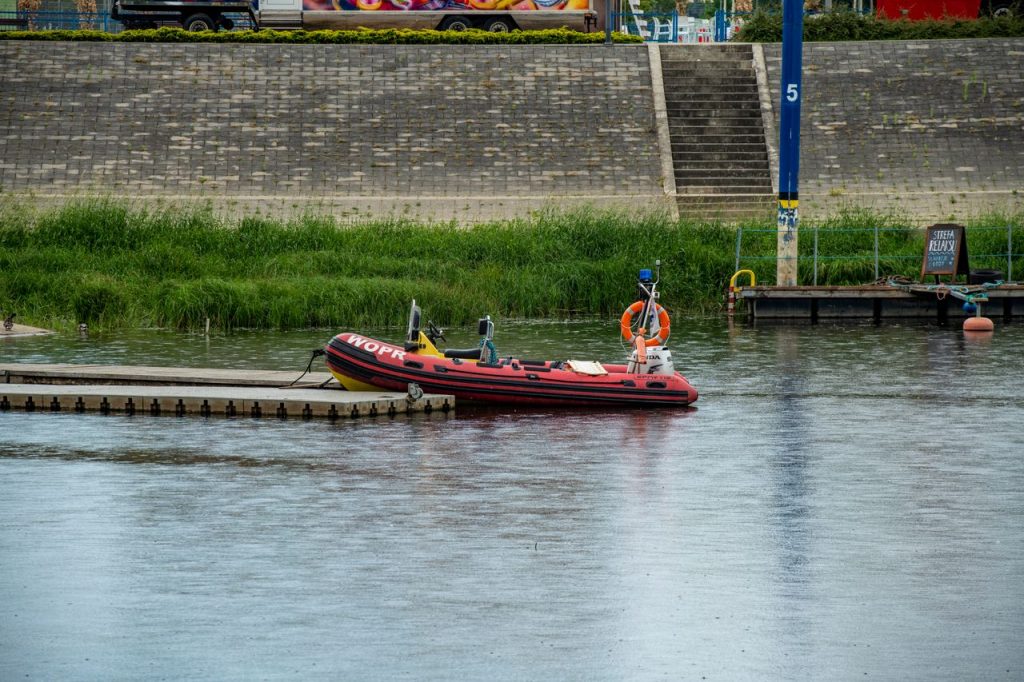
When an emergency happens around Lagos waterways, road transport may be too slow or completely impractical. Heavy traffic, flooded access roads, broken-down vehicles and difficult waterfront locations can delay people who need to leave an area quickly.
An emergency ferry evacuation in Lagos provides a faster movement option when the affected location is close to navigable water. It may be needed during medical situations, flooding, security concerns, marine breakdowns or urgent movement from islands and waterfront communities.
However, arranging a boat at short notice requires more than calling the nearest operator. The pickup point, passenger condition, weather, water route and onward transport must all be coordinated properly.
When Ferry Evacuation Becomes the Practical Option
Emergency water transport is useful when the fastest safe route is across the lagoon or along a coastal channel.
Situations may include:
- Evacuating people from flooded neighbourhoods
- Moving an injured passenger from a waterfront location
- Assisting passengers from a stranded vessel
- Transporting workers from an offshore or riverside site
- Leaving an area affected by a security incident
- Moving residents where road access has been cut off
For example, someone requiring urgent evacuation from Tarkwa Bay may reach an accessible part of Victoria Island faster by boat than by waiting for another road-based option. Similar arrangements may be needed around Ikorodu, Badore, Makoko, Lekki, Apapa and other communities connected to Lagos waterways.
The safest destination is not always the closest jetty. It should be selected based on water conditions, landing access and the availability of ambulances, vehicles or other onward support.
Information the Operator Needs Immediately
A vague request such as “send a boat quickly” can cause delays. The dispatcher needs enough detail to choose the right vessel and crew.
Provide:
- The exact pickup location
- The nearest known jetty or landmark
- The number of passengers
- Whether anyone is injured or unable to walk
- The preferred destination
- Any luggage, equipment or medical items involved
- The current weather and water conditions if known
- A phone number for someone at the pickup point
Live location sharing can be helpful, but it should be supported with a clear landmark. Waterfront areas often have multiple landing points that look close on a map but are separated by fences, shallow water or restricted access.
What Can Delay an Emergency Boat Pickup
Even when a vessel is available, several operational issues can slow down the evacuation.
Low visibility, heavy rainfall or strong winds may make movement unsafe. Shallow channels and floating debris can also affect the route, particularly after storms or flooding.
Other delays may come from:
- Passengers waiting at the wrong jetty
- Poor phone communication
- Overloading the vessel
- Lack of life jackets
- Restricted landing access
- Failure to arrange onward transport
- Fuel or mechanical problems
A reliable evacuation plan should include an alternative pickup point and backup destination where possible.
Travo.ng can help coordinate the ferry, road vehicle, airport pickup or other transport required after passengers reach land.
Safety Checks Should Not Be Ignored
Urgency should never remove basic safety precautions. The vessel must be suitable for the number of passengers and the expected conditions.
Before boarding, confirm that life jackets are available and worn correctly. Children, elderly passengers and anyone with limited mobility may need additional assistance.
Passengers should avoid standing or moving around unnecessarily during the journey. Heavy luggage and equipment must also be positioned so they do not affect the vessel’s balance.
For medical cases, clarify whether the boat can accommodate a stretcher and whether trained medical personnel will travel with the patient. A normal passenger ferry may not be appropriate for a person requiring intensive support.
Plan the Transfer After Reaching the Jetty
The evacuation is not complete when the ferry arrives at the destination. A person may still need transport to a hospital, hotel, airport, office or secure location.
If passengers are landing at Victoria Island, CMS, Ikorodu or another Lagos jetty, the road vehicle should be ready before the boat arrives. Waiting by the roadside after an urgent evacuation creates another avoidable delay.
The receiving driver should have:
- The vessel’s expected arrival time
- The correct landing point
- The passenger’s phone number
- The final destination
- Details of any mobility or medical needs
This coordination is especially important during peak traffic hours, when a poorly chosen landing point can add significant road travel time.
Arrange Emergency Water Transport With Travo.ng
A successful emergency ferry evacuation in Lagos depends on quick communication, safe vessel selection and proper coordination between the water and road stages of the journey.
Travo.ng helps individuals, businesses and organisations arrange urgent ferry transport, vehicle hire, airport transfers and other mobility support across Lagos. By managing the pickup details and onward movement together, passengers can leave difficult locations with less confusion and reach the next safe destination more efficiently.
