


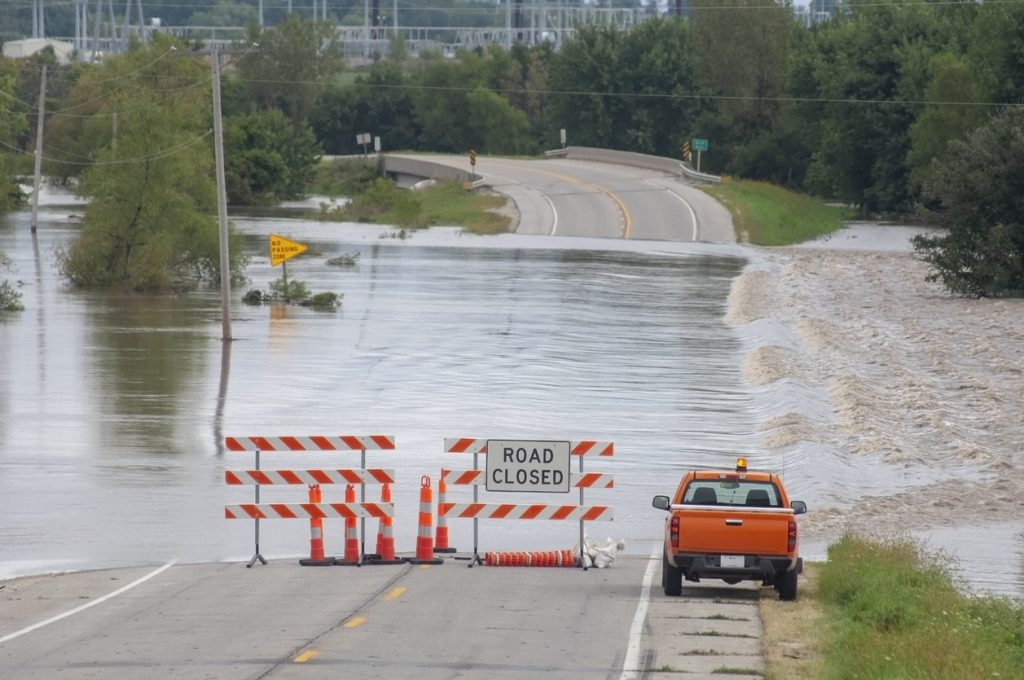
Heavy rainfall can quickly cut off roads, isolate communities and make normal vehicle movement impossible. In flood-prone areas, families, businesses, relief teams and local organisations may need boats to move people, food, medicine and essential supplies.
Reliable water transport for flood emergencies helps reduce delays when roads are submerged or unsafe. The priority is not simply finding any available boat. The vessel must suit the number of passengers, water conditions, distance and type of items being moved.
Early coordination is important because demand for boats, experienced operators and safety equipment usually rises sharply once flooding becomes severe.
When Road Transport Is No Longer Safe
Floodwater can hide damaged roads, open drains, potholes and strong currents. A familiar street may become dangerous after only a few hours of heavy rain.
Drivers sometimes attempt to pass through flooded roads because the distance looks short. This can lead to stalled vehicles, engine damage or passengers becoming trapped.
Water transport may be more appropriate when:
- Access roads are completely submerged
- A community has been cut off from nearby towns
- Emergency supplies must reach riverside settlements
- Residents need evacuation from homes or workplaces
- Medical teams must reach isolated patients
- Food, drinking water or fuel must be delivered urgently
In places such as Lagos, Bayelsa, Rivers, Kogi, Anambra and parts of Delta State, emergency planning may require both road vehicles and boats because conditions can change along the same route.
Choosing the Right Boat for the Situation
Not every boat is suitable for emergency movement. A small canoe may work for a short trip in calm water but may be unsafe for transporting several passengers, heavy supplies or medical equipment.
Before booking, confirm:
- The number of passengers
- The estimated weight of the cargo
- The pickup and drop-off locations
- The expected water conditions
- Whether the journey will happen during daylight
- The availability of life jackets
- The experience of the boat operator
Relief items should also be packed properly. Food, documents, medicines, phones and clothing may need waterproof bags, sealed containers or covered cargo space.
Overloading should never be accepted, even when several people are waiting. It is safer to arrange multiple trips than to place passengers and supplies at unnecessary risk.
Information That Makes Emergency Coordination Faster
During a flood emergency, unclear directions can waste valuable time. Many pickup points do not have formal jetties, so the transport team needs precise information before departure.
Share the nearest recognised landmark, phone number of someone at the location and a description of the safest access point. A live location can also help, but it should not replace clear verbal directions because network coverage may be unreliable.
The booking request should include:
- Number of people requiring transport
- Presence of children, elderly passengers or injured persons
- Type and volume of supplies
- Water depth or current conditions if known
- Whether loading assistance is needed
- Alternative contact numbers
- Time sensitivity of the movement
Photos or short videos of the area can help the operator assess whether a particular vessel can reach the pickup point.
Moving Relief Supplies Without Creating More Losses
Emergency deliveries often include drinking water, food, medicine, blankets, generators and fuel. These items must be distributed carefully so that the heaviest cargo is placed securely and the boat remains balanced.
Medicines and electronics should be separated from wet items. Fuel must be carried in suitable containers and kept away from passengers where possible.
Where large quantities are involved, it may be better to move goods to a temporary staging point near the affected area. Smaller boats can then complete the final movement into communities that larger vessels cannot safely reach.
Travo.ng can help coordinate boat transport, vehicle movement, cargo handling and delivery planning for emergency supply operations.
Avoid Waiting Until the Flood Peaks
One of the biggest mistakes is waiting until water levels become critical before looking for transport. By that time, boats may already be booked, routes may be more dangerous and operators may be unable to reach certain areas.
Businesses, estates, schools and community groups in high-risk locations should identify possible evacuation points before the rainy season intensifies. They should also keep emergency contacts, passenger lists and basic supplies ready.
Planning does not mean flooding will definitely occur. It simply reduces confusion if normal road movement is suddenly interrupted.
Book Emergency Water Transport Through Travo.ng
Dependable water transport for flood emergencies can help move stranded residents, emergency workers and essential goods when roads are no longer usable.
Travo.ng supports individuals, businesses and organisations with boat transport coordination, vehicle hire, cargo movement and emergency delivery services across Nigeria. By providing accurate trip details early, customers can receive a solution suited to the route, passenger needs and urgency of the situation.
Safe preparation, suitable vessels and clear communication make emergency movement faster and more organised when flooding disrupts everyday transport.
