


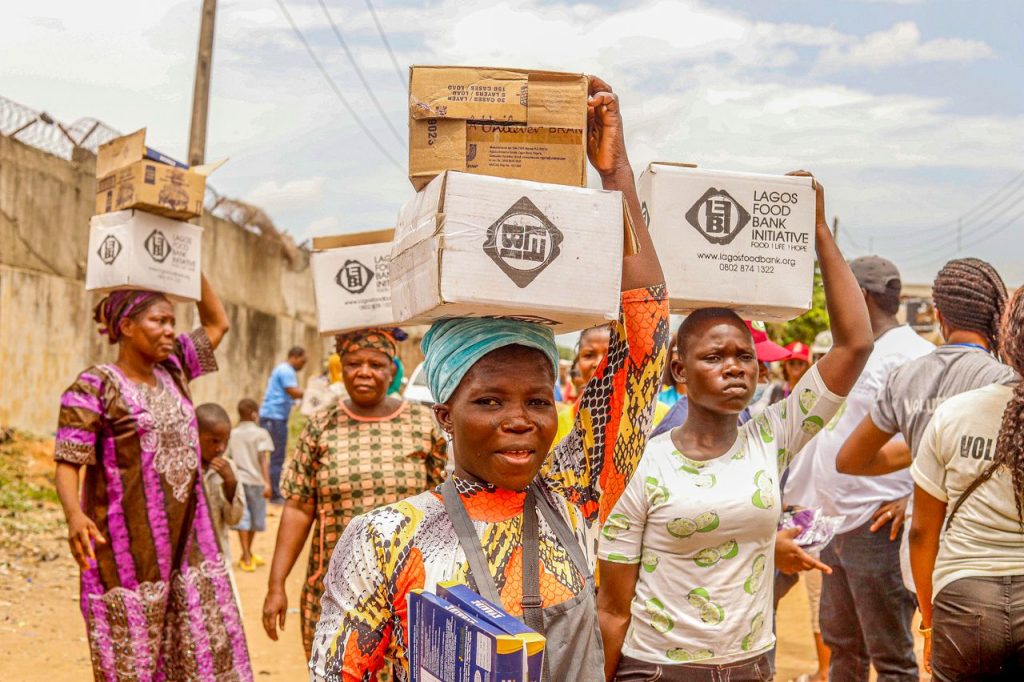
Delivering relief items during a crisis requires more than hiring a truck and sending it to the affected area. Roads may be damaged, security conditions can change quickly, warehouses may be full, and communities may be difficult to reach.
Effective humanitarian logistics in Nigeria brings transport, storage, route planning, field coordination and delivery reporting together. This helps charities, NGOs, government agencies, health organisations and corporate relief teams move essential supplies without creating avoidable delays.
Whether the response involves flooding, displacement, disease outbreaks or food shortages, logistics decisions directly affect how quickly assistance reaches people.
Relief Deliveries Often Fail Before the Vehicle Leaves
Many humanitarian movements face problems because planning begins too late. Relief items may arrive at a warehouse without confirmed transport, suitable packaging or a clear delivery schedule.
For example, sending food supplies from Lagos to a flood-affected community in Bayelsa may involve more than one vehicle. A truck may carry the bulk cargo to Yenagoa, while smaller vehicles or boats complete the final movement to communities with limited road access.
Before dispatch, coordinators should confirm:
- The exact quantity and weight of the supplies
- Road and security conditions along the route
- Whether the receiving location can accept large vehicles
- Loading and unloading arrangements
- Delivery contacts and backup phone numbers
- Proof-of-delivery requirements
- Temporary storage availability
These details help prevent vehicles from arriving at locations where nobody is ready to receive the goods.
Choosing Vehicles for Difficult Nigerian Routes
The right vehicle depends on the cargo, terrain and urgency of the response. A standard delivery van may work for medical supplies within Abuja, but it may not be suitable for moving water, food or shelter materials into rural communities.
Humanitarian transport may require:
- Vans for medical kits and small relief parcels
- Box trucks for packaged food and hygiene supplies
- Flatbed trucks for bulky equipment
- Refrigerated vehicles for vaccines and temperature-sensitive items
- Four-wheel-drive vehicles for field teams
- Boats for riverine and flood-affected locations
Vehicle selection should also consider road conditions. During the rainy season, some rural routes become difficult for heavily loaded trucks. Using smaller vehicles for the final leg may be slower, but it can reduce the risk of breakdowns or cargo becoming stranded.
Travo.ng can support vehicle hire, cargo coordination and multimodal movement where road transport alone is not enough.
Storage Must Match the Relief Items
Warehousing is a critical part of humanitarian logistics. Relief organisations often need to hold supplies before distribution, but not every warehouse is suitable for every product.
Food items should be kept in clean, dry and pest-controlled facilities. Medicines and vaccines may require monitored temperatures and backup electricity. Blankets, mattresses and clothing need protection from moisture, while water-treatment chemicals must be separated from food.
A useful humanitarian warehouse should have:
- Secure access
- Adequate ventilation
- Clear stock-recording procedures
- Space for sorting and repacking
- Reliable loading access
- Fire and safety controls
- Backup power where required
Stock should also be arranged by delivery priority. Items needed immediately should not be buried behind supplies scheduled for later distribution.
Last-Mile Delivery Needs Local Coordination
The final section of a relief journey is often the most difficult. Addresses may be unclear, mobile networks may be weak, and community access may depend on local leaders or field workers.
A truck travelling from Abuja to a relief point in Benue may reach the main town easily but struggle to locate the final distribution centre. Sharing landmarks, GPS coordinates and the driver’s details before departure can reduce confusion.
Field teams should also confirm whether the delivery will be made directly to beneficiaries or handed over to a local partner. Clear handover records help prevent disputes over missing cartons, damaged items or incomplete deliveries.
Timing Matters During Emergency Operations
Humanitarian deliveries should be urgent, but urgency must not replace planning. Sending vehicles late in the day may expose drivers to poor visibility, security risks or road closures.
Where possible, long-distance movements should leave early enough to reach approved rest points before dark. Delivery teams should also allow time for vehicle checks, fuel stops and unexpected delays.
During major emergencies, demand for trucks, warehouse space and drivers can rise quickly. Booking transport early helps organisations avoid inflated costs and last-minute vehicle shortages.
Arrange Humanitarian Logistics Support With Travo.ng
Reliable humanitarian logistics in Nigeria depends on accurate information, suitable vehicles, safe storage and dependable communication throughout the journey.
Travo.ng helps organisations coordinate cargo transport, vehicle hire, temporary storage, delivery services, field-team movement and other operational support across Nigeria.
By planning transport, storage and last-mile delivery together, relief organisations can reduce delays, protect essential supplies and reach affected communities more efficiently.
