


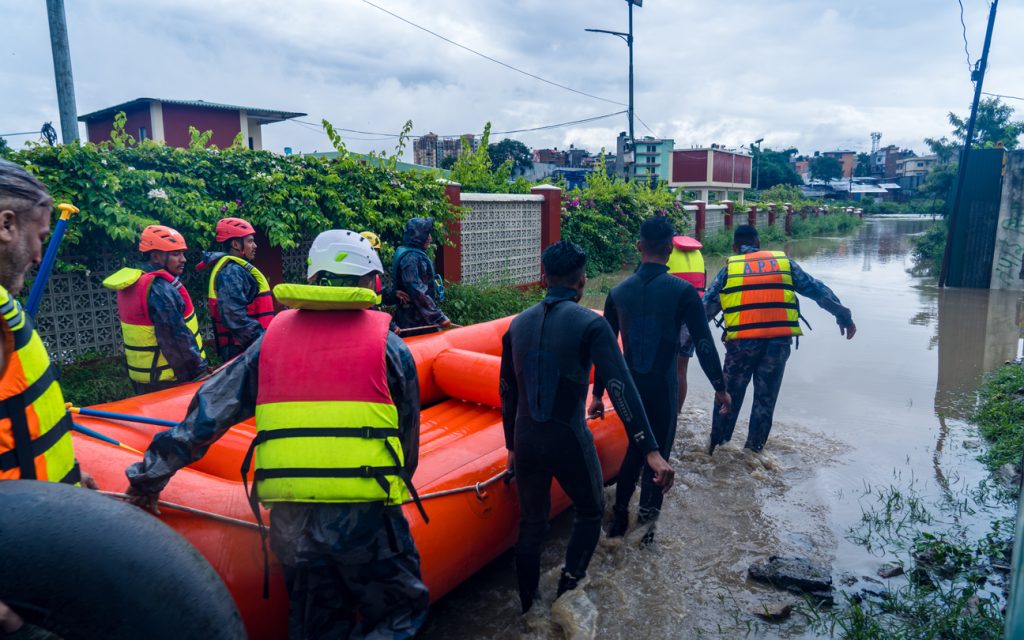
Heavy rainfall can turn a normal delivery route into a serious access problem within minutes. Roads that are usually passable may become flooded, motorcycles may be unable to enter certain streets, and drivers may need to take longer alternative routes to reach customers.
For families, businesses and relief organisations, arranging delivery to flooded communities in Lagos requires more than simply sending a rider with an address. The delivery method, timing, packaging and access plan must all match the conditions on the ground.
This is especially important when the items being delivered include food, medicine, drinking water, clothing, batteries or other urgent supplies.
Confirm the Actual Access Situation Before Dispatch
Flood conditions can vary from one street to another. A major road may still be open while the final route into a community is completely submerged.
Before dispatching a vehicle, confirm:
- The exact delivery address and nearest landmark
- How deep the floodwater is around the location
- Whether cars, motorcycles or only boats can enter
- Whether the recipient can meet the driver at a safer point
- Which roads are currently blocked
- Whether the situation is getting worse due to continued rainfall
Areas such as Ajegunle, Agege, Ikorodu, Lekki, Ibeju-Lekki, Makoko and parts of Lagos Island may experience different access challenges depending on drainage, rainfall and nearby construction.
A recent photo, video or live location from the recipient can help the operations team choose a realistic route instead of relying only on map directions.
Choose the Right Vehicle for the Final Route
A regular delivery bike may be suitable for the first part of the journey but unable to complete the final kilometre. In deeper water, using the wrong vehicle can damage the goods, delay the delivery or place the driver at risk.
Depending on the conditions, the movement may require:
- A high-clearance van or pickup truck
- A motorcycle for narrow but passable streets
- A boat for waterside or heavily flooded areas
- A combination of road and water transport
- Delivery to a nearby collection point
For example, supplies moving from Ikeja to a flooded part of Ikorodu may travel by van to a safe transfer point before being handed over to a smaller vehicle or local boat operator.
Travo.ng can help coordinate these transport stages so the sender does not have to manage multiple providers separately.
Packaging Must Protect Goods From Water
Poor packaging is one of the main reasons emergency deliveries arrive damaged. Cardboard cartons absorb water quickly and may weaken during loading, even if the vehicle itself does not enter deep floodwater.
Food, medicine and documents should be packed with waterproof protection. Useful precautions include:
- Sealed plastic liners inside cartons
- Waterproof bags or storage containers
- Raised pallets for bulk supplies
- Separate wrapping for fragile items
- Clear labels showing items that must remain dry
- Secure lids for bottled water and liquid products
Medicines that require temperature control need extra planning. A cooler box alone may not be enough if the trip is delayed for several hours. The sender should confirm the expected travel time and use suitable cold-chain packaging where necessary.
Allow More Time Than a Normal Lagos Delivery
Flooded roads create unpredictable delays. A journey that normally takes one hour may take three or four hours because of diversions, traffic buildup and slow movement through affected areas.
During major rainfall, congestion often increases around alternative routes as many drivers avoid flooded streets. Dispatching early in the day can help, but only after checking whether water levels are rising or beginning to recede.
For urgent deliveries, it is better to agree on a realistic delivery window than promise same-day arrival without understanding the access problem.
Recipients should also keep their phones available. Drivers may need quick directions or may ask the customer to move to a safer meeting point.
Mistakes That Make Flood Deliveries More Difficult
One common mistake is dispatching immediately without confirming local conditions. Another is assuming that every flooded area can be reached by boat. Some streets may have hidden drains, strong currents, debris or unsafe entry points.
Senders should also avoid overloading vehicles. Heavy loads can make movement more difficult and may increase the chance of goods falling into water during transfer.
When several households need supplies, grouping deliveries by area can reduce repeated trips. However, each package must be clearly labelled to prevent mix-ups during unloading.
Book Flood-Affected Deliveries Through Travo.ng
Reliable delivery to flooded communities in Lagos depends on careful route planning, suitable transport and secure packaging.
Travo.ng helps individuals, businesses, NGOs and community groups coordinate courier services, cargo movement, vehicle hire and last-mile delivery across difficult locations. Where one vehicle cannot complete the entire journey, the movement can be planned in stages using available road or water transport.
With proper preparation, essential supplies can reach affected communities more safely, with fewer delays and less risk of damage.
