


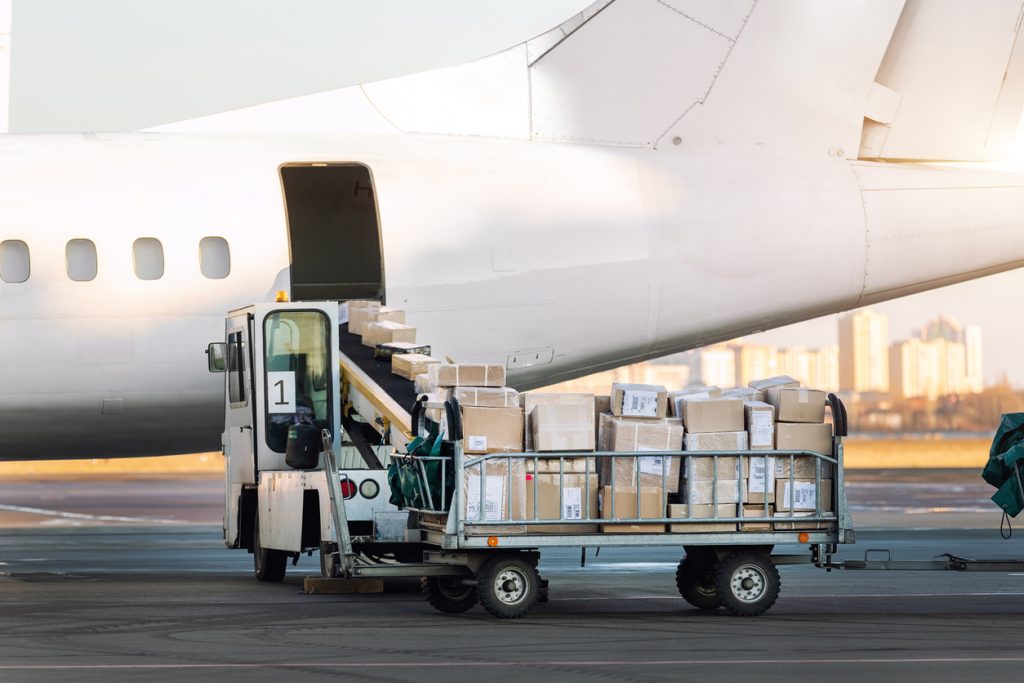
For many ecommerce businesses in Nigeria, speed has become a major competitive advantage.
Customers no longer want to wait:
- One week
- Several business days
- Uncertain delivery timelines
especially when ordering:
- Electronics
- Fashion products
- Medical supplies
- High-value items
- Urgent business inventory
This is why air freight ecommerce delivery is becoming more important across Nigeria.
Instead of relying only on road transport between cities like:
- Lagos
- Abuja
- Port Harcourt
- Kano
- Enugu
many businesses now use air cargo to move urgent shipments faster.
For ecommerce sellers handling nationwide customers, air freight can reduce delivery delays significantly — especially for time-sensitive orders.
This guide explains how air freight ecommerce delivery works in Nigeria, the challenges involved, and why more online businesses are now combining air logistics with local dispatch systems.
Why Ecommerce Businesses Use Air Freight
Road transport still dominates most ecommerce shipping in Nigeria.
But road delivery often faces problems such as:
- Traffic congestion
- Interstate road delays
- Vehicle breakdowns
- Security checkpoints
- Weather disruption
For urgent shipments, those delays can affect:
- Customer satisfaction
- Business operations
- Product value
- Repeat sales
Air freight helps ecommerce businesses move packages faster between major Nigerian cities.
This is especially useful for:
- High-priority orders
- Premium customers
- Fragile items
- Medical products
- Expensive electronics
- Business inventory replenishment
Lagos Remains Nigeria’s Main Air Cargo Hub
Most ecommerce air freight activity currently passes through Lagos because of:
- Murtala Muhammed International Airport
- Cargo terminals
- Airline freight operations
- Major warehouse clusters
- Ecommerce concentration
Many businesses ship products from Lagos toward:
- Abuja
- Port Harcourt
- Kano
- Enugu
- Uyo
using domestic air cargo networks.
This is especially common for businesses selling:
- Phones
- Laptops
- Fashion products
- Cosmetics
- Pharmaceuticals
- Small high-value goods
that customers want delivered quickly.
How Air Freight Ecommerce Delivery Usually Works
For most online businesses, air freight delivery involves multiple stages:
- Pickup from seller or warehouse
- Cargo processing at airport terminal
- Air transport to destination city
- Local dispatch delivery after arrival
- Customer delivery confirmation
For example:
A business in Ikeja may ship urgent customer orders by air to Abuja in the morning, then coordinate last-mile delivery within Abuja later that day.
This combination of:
- Air cargo
- Dispatch rider logistics
- Local courier support
is becoming more common for premium ecommerce delivery services.
Same-Day and Next-Day Delivery Are Driving Demand
Customer expectations have changed significantly.
Many buyers now expect:
- Faster interstate shipping
- Predictable delivery timelines
- Better tracking visibility
especially for urgent or premium purchases.
Air freight helps businesses offer:
- Same-day interstate movement
- Next-day delivery
- Faster nationwide fulfillment
instead of waiting several days for road transport.
This is especially important during:
- Holiday shopping periods
- Flash sales
- Product launches
- Corporate procurement deadlines
Air Freight Is Common for High-Value Products
Some ecommerce products are more suitable for air delivery because of:
- Value
- Fragility
- Delivery urgency
Examples include:
- Smartphones
- Laptops
- Luxury fashion items
- Medical supplies
- Urgent spare parts
- Small electronics
Businesses selling expensive products often prefer air freight because:
- Delivery is faster
- Inventory risk is lower
- Customer satisfaction improves
even though shipping costs are higher than road transport.
What Air Freight Usually Costs in Nigeria
Air cargo pricing depends on:
- Weight
- Package dimensions
- Destination
- Cargo urgency
- Airline availability
Generally:
- Air freight costs more than road transport
- Small urgent packages are usually more economical than heavy cargo
For example:
- Shipping a small electronics package from Lagos to Abuja by air is far easier than moving heavy furniture through the same system.
Businesses often use air freight selectively for:
- Urgent orders
- Premium customers
- High-value shipments
instead of all deliveries.
Airport Cargo Delays Still Affect Logistics
Although air transport is faster, ecommerce businesses still face challenges such as:
- Cargo terminal processing delays
- Flight scheduling changes
- Documentation issues
- Airport handling congestion
This is why businesses usually work with logistics providers experienced in:
- Air cargo coordination
- Airport pickup
- Dispatch scheduling
- Last-mile delivery
because speed depends heavily on coordination after landing.
Local Dispatch Still Matters After Air Cargo Arrival
Air freight alone is not enough.
Once cargo arrives in:
- Abuja
- Port Harcourt
- Kano
- Enugu
businesses still require:
- Dispatch riders
- Delivery vans
- Customer coordination
- Final-mile logistics
This last stage often determines whether delivery feels smooth to the customer.
For example:
A package may arrive quickly by air, but poor local dispatch coordination can still delay final delivery.
What Ecommerce Businesses Usually Look for in Air Freight Logistics
Businesses using air freight typically prioritise:
- Faster delivery timelines
- Cargo safety
- Reliable communication
- Tracking visibility
- Airport coordination
- Last-mile delivery support
because ecommerce customers increasingly expect:
- Faster shipping
- Better updates
- Predictable delivery
especially for urgent orders.
Technology Is Improving Air Cargo Logistics
Modern ecommerce logistics systems increasingly use:
- Shipment tracking
- Automated notifications
- Delivery APIs
- Cargo visibility systems
- Dispatch management platforms
Businesses now expect:
- Real-time updates
- Better communication
- Faster coordination
- Easier shipment management
instead of relying entirely on manual tracking.
Common Problems Businesses Still Face
High Shipping Costs
Air cargo remains more expensive than road transport.
Airport Delays
Flight schedules and cargo handling can affect timelines.
Poor Last-Mile Coordination
Local dispatch after landing still affects delivery speed heavily.
Packaging Problems
Fragile ecommerce items require proper air cargo packaging.
Travo.ng Helps Coordinate Ecommerce Logistics Across Nigeria
Businesses using air freight often require broader logistics support beyond airport shipping alone.
Travo.ng helps businesses coordinate:
- Interstate delivery
- Cargo movement
- Dispatch logistics
- Vehicle hire
- Airport pickups
- Business transport support
especially for businesses operating across multiple Nigerian cities.
Whether handling:
- Urgent ecommerce delivery
- Nationwide shipping
- Cargo coordination
- Last-mile fulfillment
structured logistics support helps businesses move faster and operate more efficiently.
Air Freight Is Becoming More Important for Nigerian Ecommerce
As ecommerce competition increases, faster delivery is becoming a major business advantage.
Businesses capable of combining:
- Air freight
- Fast dispatch
- Reliable tracking
- Organised fulfillment
- Better customer communication
will continue standing out in Nigeria’s growing online marketplace.
For many ecommerce sellers today, faster delivery is no longer optional.
It is becoming part of the customer experience itself.
