


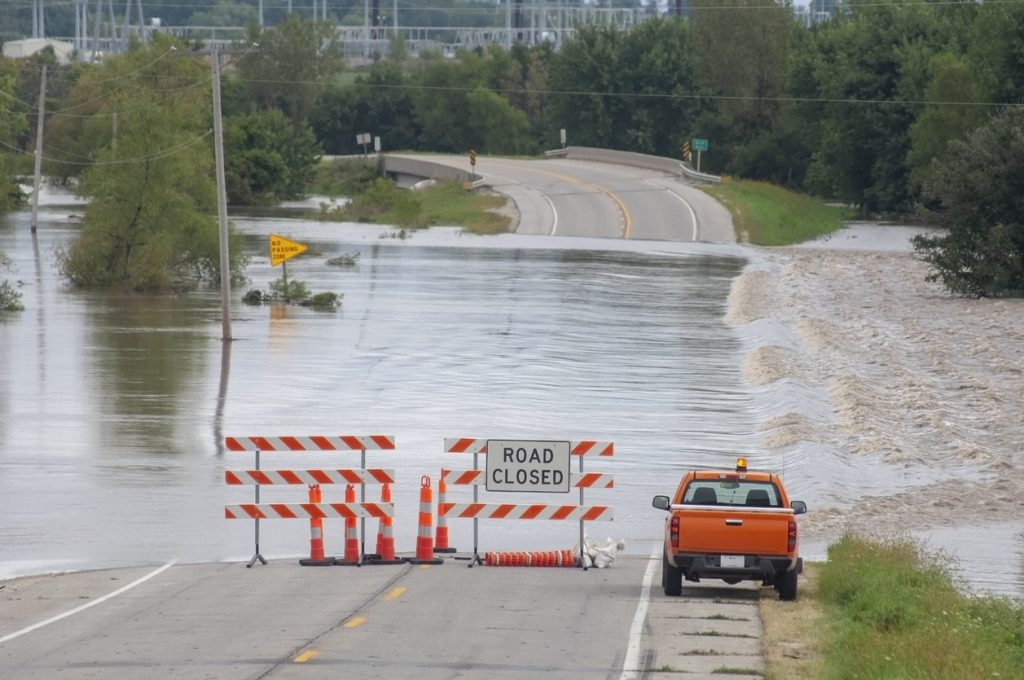
Flooding can disrupt entire communities within a few hours. Roads become impassable, homes are submerged, vehicles break down, and families may need urgent transport to safer locations. For businesses, the damage can also affect warehouses, delivery routes, staff movement and access to essential supplies.
Effective flood disaster response in Nigeria depends on fast decisions and practical logistics. Emergency teams need reliable information, suitable vehicles, clear pickup points and a plan for moving people or supplies before conditions become worse.
This is especially important during the rainy season in flood-prone parts of Lagos, Bayelsa, Rivers, Kogi, Anambra, Delta and other states where heavy rainfall and overflowing waterways can cut off roads with little warning.
What to Do Before Floodwater Blocks Access
Waiting until a road is completely flooded often makes evacuation more difficult and expensive. Residents and businesses in vulnerable areas should identify alternative routes before the peak rainy months.
A basic emergency plan should include:
- Safe meeting and pickup locations
- Contact details for transport providers
- A list of elderly or vulnerable people
- Waterproof bags for documents and medicines
- Alternative routes to hospitals or shelters
- Emergency fuel and power arrangements
- A plan for moving pets, stock or equipment
For estates, schools and offices, one person should coordinate communication so drivers do not receive conflicting instructions.
Travo.ng can support urgent vehicle arrangements, transport coordination and delivery of essential items when normal movement becomes difficult.
Choosing Vehicles for Flood-Affected Roads
A regular saloon car may not be suitable once water levels begin to rise. The vehicle required depends on the depth of the water, road condition, number of passengers and amount of luggage or relief material.
Possible options may include:
- High-clearance SUVs
- Buses for group evacuation
- Trucks for relief supplies
- Vans for medical or household items
- Boats for communities cut off by water
No driver should be encouraged to enter deep or fast-moving water without proper assessment. Floodwater can hide potholes, open drains, damaged bridges and strong currents.
In places such as Lekki, Ajah and parts of Victoria Island, a road that appears manageable in the morning may become unsafe after another period of heavy rainfall. Early movement is usually safer than attempting a late evacuation.
How Relief Supplies Should Be Delivered
Food, drinking water, clothing, medicine and hygiene products are often needed quickly after flooding. However, poorly organised deliveries can create more problems at the affected location.
Relief items should be sorted before dispatch and clearly labelled. Drinking water and medical supplies should not be packed with chemicals, fuel or contaminated materials.
Useful supplies may include:
- Bottled or treated water
- Dry food and canned goods
- Blankets and clean clothing
- Sanitary products
- First-aid materials
- Phone power banks
- Torches and batteries
- Cleaning and disinfection supplies
The delivery team should confirm the receiving contact and exact drop-off point before departure. In some communities, the nearest accessible road may still be several kilometres from the affected area, requiring a second vehicle or boat transfer.
Businesses Need a Separate Flood Response Plan
Flooding can stop deliveries, trap staff and damage valuable inventory. Companies operating warehouses, retail outlets or construction sites should not rely on a general household emergency plan.
A business response plan should identify:
- Stock that must be moved first
- Vehicles available for emergency use
- Higher storage areas within the premises
- Backup delivery and distribution locations
- Staff responsible for shutting down equipment
- Customers who must be informed about delays
For example, a warehouse in Apapa may need to reroute cargo or suspend loading if surrounding access roads are flooded. A delivery company serving Lagos Island may also need to postpone routes rather than expose riders and parcels to unsafe conditions.
Common Mistakes During Flood Emergencies
Panic often leads to poor decisions. One common mistake is waiting too long before arranging transport. By the time evacuation becomes urgent, vehicles may be unavailable or unable to reach the pickup area.
Other avoidable mistakes include sending drivers without clear directions, underestimating the number of passengers, failing to disclose road conditions and attempting to move damaged goods without protective packaging.
Emergency transport providers need honest information about the situation. This helps them choose the right vehicle, driver and route.
Arrange Emergency Logistics With Travo.ng
Reliable flood disaster response in Nigeria requires more than good intentions. It depends on transport availability, route planning, communication and the safe delivery of essential supplies.
Travo.ng helps individuals, organisations and businesses coordinate emergency transport, vehicle hire, relief deliveries, cargo movement and other logistics support across Nigeria.
By making arrangements early and sharing accurate information, affected families and businesses can reduce delays, avoid unnecessary risk and respond more effectively when flooding disrupts normal movement.
