


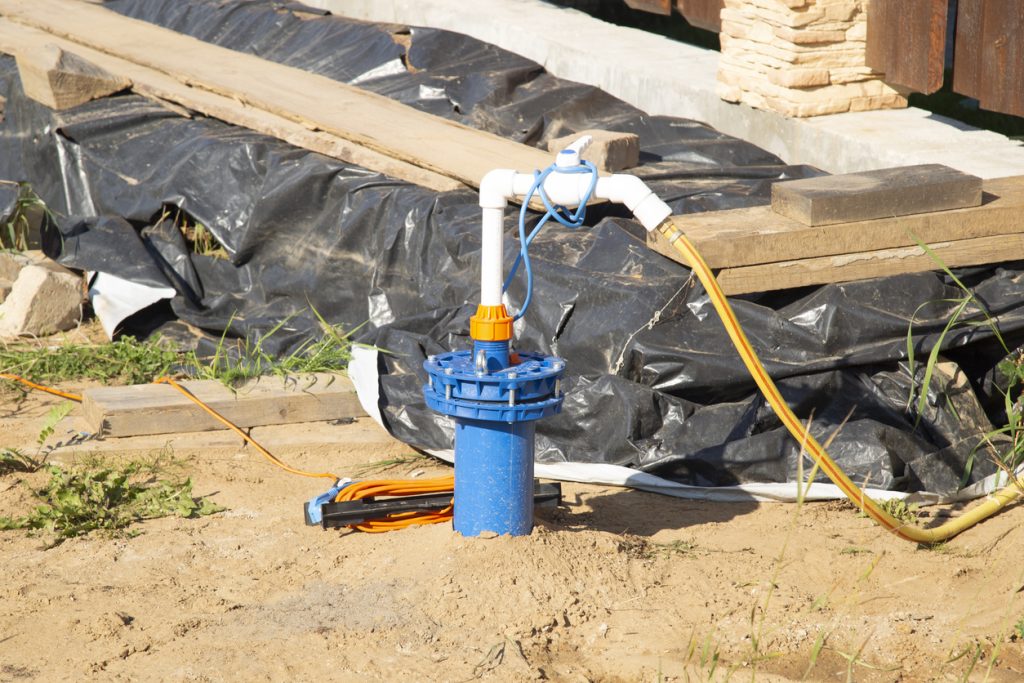
Many property owners ask, “where should I drill a borehole?” after buying land, starting construction or dealing with an unreliable public water supply. The safest answer is not simply the most convenient corner of the compound.
A productive borehole depends on underground water conditions, the distance from possible contamination sources, access for drilling equipment and the future layout of the property. Choosing the wrong location can lead to poor water yield, costly redrilling or water that requires extensive treatment.
Before a drilling rig enters the site, the location should be assessed carefully.
Start With a Proper Geophysical Survey
The appearance of the land cannot confirm what lies beneath it. Two neighbouring properties may have completely different drilling results because underground rock formations and water-bearing zones can vary within a short distance.
A geophysical survey helps identify areas where groundwater is more likely to be found. The surveyor may mark one or more possible drilling points and recommend an estimated depth based on the local geology.
In parts of Lagos and Ogun State, drilling conditions may differ from those found in Abuja, Ibadan, Enugu or areas with harder basement rock. This is why copying the borehole position or depth used by a neighbour is risky.
The recommended point should be based on your own site survey, not guesswork or the experience of one nearby property.
Keep the Borehole Away From Contamination Sources
A borehole should not be placed close to anything that could pollute the groundwater. This includes septic tanks, soakaways, refuse areas, drainage channels, fuel storage points and places where chemicals are handled.
The actual safe distance will depend on the site, soil conditions, groundwater movement and local requirements. A qualified hydrogeologist or drilling professional should advise you after inspecting the property.
Placing the borehole uphill from a septic system may be preferable where the land slopes, but the site still needs professional assessment. Simply measuring a few metres and assuming the water will be safe is not enough.
Water should also be tested after drilling before it is used for drinking, food preparation or commercial production.
Leave Enough Space for the Drilling Rig
The best underground water point may still create practical difficulties if a drilling truck cannot reach it.
Drilling equipment requires enough space to enter, position safely and operate without damaging walls, roofs, power lines or neighbouring buildings. The team may also need room for drilling rods, pipes, water tanks and excavated material.
Before finalising the position, check:
- The width and height of the entrance
- Overhead electrical cables
- Nearby fences and buildings
- The strength of the driveway or ground
- Space for turning and positioning the rig
- Access for future repairs and pump replacement
If the property is still under construction, it is often easier to drill before the gate, landscaping and external structures are completed.
Consider the Future Building Layout
A borehole should not be placed where an extension, parking area, drainage system or new building may later cover it.
Property owners sometimes select an open space without checking the architectural plan. Months later, the borehole becomes difficult to access because it sits beneath a driveway, close to a foundation or inside a proposed building area.
Speak with the architect, engineer or site supervisor before drilling. The selected point should allow convenient connection to the water storage tank while remaining accessible for maintenance.
The borehole should also be protected from vehicle impact and uncontrolled surface runoff.
What to Confirm Before Drilling Begins
Once the survey point has been selected, request a clear quotation from the drilling contractor. Confirm whether the price covers mobilisation, drilling, casing, gravel packing, flushing, pump installation and water testing.
The cheapest quotation may exclude important parts of the work. Ask what happens if the first drilling point produces little water and whether additional depth will attract extra charges.
You should also agree on how heavy equipment and materials will reach the site. This becomes especially important for projects outside major city centres or developments with poor access roads.
Arrange Borehole Project Logistics With Travo.ng
Answering “where should I drill a borehole?” requires more than choosing an empty part of the compound. The right location should combine favourable underground conditions, safe separation from contaminants, equipment access and long-term maintenance convenience.
Travo.ng can support borehole and construction projects by coordinating vehicle hire, equipment movement, cargo delivery and transport for workers or materials across Nigeria.
With proper site assessment and organised logistics, property owners can reduce avoidable delays and give the drilling team a better chance of completing the project safely and efficiently.
