


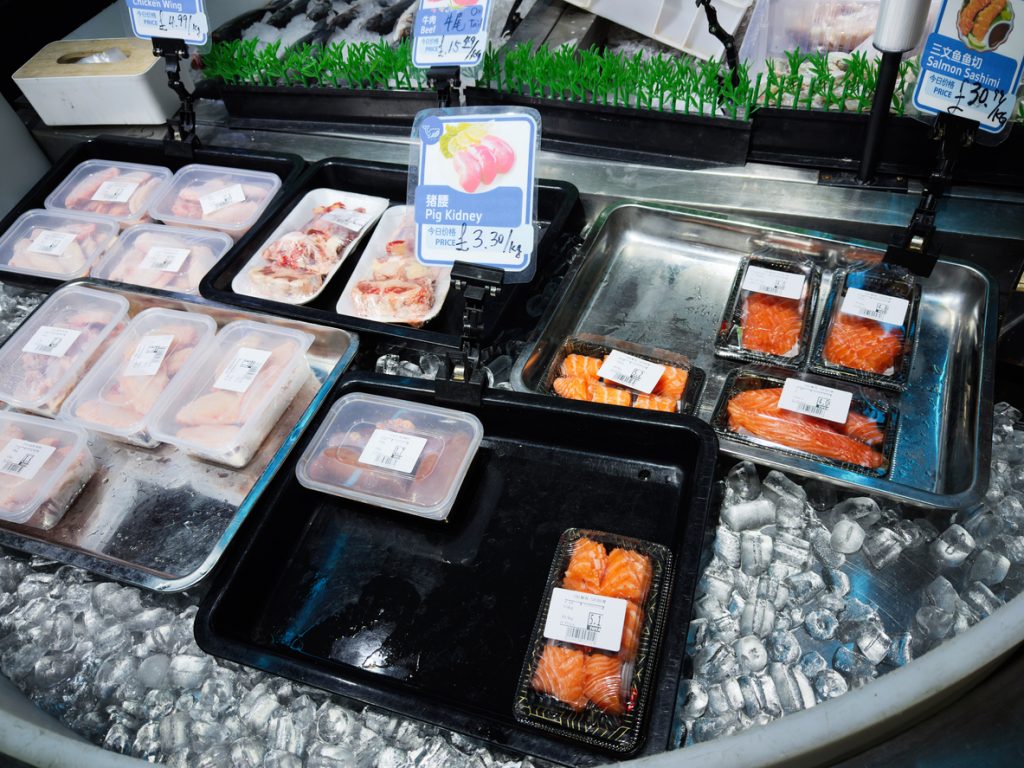
Products such as frozen food, fresh produce, pharmaceuticals and cosmetics can lose their value quickly when stored under the wrong conditions. In Nigeria, where outdoor temperatures are high and electricity supply may be unpredictable, ordinary warehouse space is often not enough.
A temperature controlled warehouse in Nigeria helps businesses keep sensitive goods within a defined temperature range until they are distributed, sold or moved to another location. The right facility can reduce spoilage, protect product quality and prevent avoidable financial losses.
However, businesses should look beyond the presence of air-conditioning or refrigeration. Reliable temperature management also depends on backup power, monitoring systems, correct handling and well-planned transportation.
Which Products Actually Need Controlled Storage
Temperature-controlled facilities are commonly used for goods that can deteriorate when exposed to heat, humidity or sudden temperature changes.
These may include:
- Frozen meat, poultry and seafood
- Fresh fruits and vegetables
- Dairy products and beverages
- Medicines, vaccines and laboratory supplies
- Skincare and cosmetic products
- Chocolate and other heat-sensitive foods
- Chemicals and industrial materials
- Seeds and agricultural products
The required storage condition depends on the product. Frozen fish does not need the same temperature as tomatoes, medicine or packaged chocolate.
Before placing goods in storage, the owner should confirm the recommended temperature range, humidity requirements and maximum storage period. This information is usually available from the manufacturer, supplier or product handling instructions.
Backup Power Is Not Optional in Nigeria
One of the biggest risks in cold storage operations is an interruption in electricity supply. Even a well-equipped facility can become unreliable if it does not have dependable backup power.
A warehouse should have generators or another alternative power system that can start quickly when the main supply fails. The operator should also have enough fuel and a clear maintenance schedule.
When inspecting a facility, ask:
- How quickly does backup power start?
- Is temperature monitored during power changes?
- Are generators tested regularly?
- What happens during a prolonged fuel shortage?
- Will customers be notified if temperatures move outside the agreed range?
These questions are especially important for medicine, frozen foods and other goods that can become unsafe after prolonged exposure to heat.
Storage Is Only One Part of the Cold Chain
A product can be stored correctly and still arrive damaged if it is transported in an unsuitable vehicle.
For example, frozen goods moved from Apapa to a cold room in Ikeja may spend several hours in traffic. If the delivery vehicle is not refrigerated or properly insulated, the products may begin to thaw before reaching the warehouse.
The same risk applies when agricultural produce is moved from farms in Jos, Kano or Kaduna to markets and processing centres in Lagos or Abuja.
Businesses should coordinate:
- Suitable refrigerated or insulated vehicles
- Early loading to avoid peak traffic where possible
- Fast loading and unloading procedures
- Proper packaging and pallet arrangement
- Temperature checks before dispatch and on arrival
- Clear communication between drivers and warehouse staff
Travo.ng can help businesses coordinate cargo transport, delivery schedules and suitable storage support as part of one practical logistics arrangement.
What to Check Before Booking Warehouse Space
Do not choose a facility based only on the lowest storage rate. A cheaper warehouse may become expensive if products are damaged, deliveries are delayed or stock records are inaccurate.
Visit the facility where possible and check the condition of the storage area. Floors should be clean, goods should be arranged properly, and doors should not remain open longer than necessary.
You should also confirm whether the warehouse provides:
- Continuous temperature monitoring
- Written stock records
- Controlled access and security
- Pest management
- Fire protection equipment
- Loading and unloading support
- Separate areas for incompatible goods
- Regular maintenance of cooling equipment
Ask how temperatures are recorded and whether reports can be provided when needed. These records may be important for pharmaceutical, food distribution and quality-control requirements.
Plan Costs Beyond the Storage Fee
The cost of using a temperature-controlled facility depends on the type of goods, required temperature, storage duration, volume and handling needs.
Businesses should budget for more than the daily or monthly storage charge. Other expenses may include transportation, loading labour, pallets, packaging, inventory handling and generator-related costs.
It is also useful to compare the storage cost with the potential loss from spoilage. Paying for proper storage is often more economical than replacing damaged stock or dealing with rejected deliveries.
Arrange Reliable Storage Support Through Travo.ng
Finding a dependable temperature controlled warehouse in Nigeria requires careful attention to power reliability, product requirements, security and transport coordination.
Travo.ng helps food businesses, pharmaceutical suppliers, importers, retailers and agricultural companies arrange storage, cargo movement and delivery services across Nigeria.
With the right facility and a properly managed transport plan, businesses can protect sensitive goods, reduce waste and deliver products to customers in better condition.
