


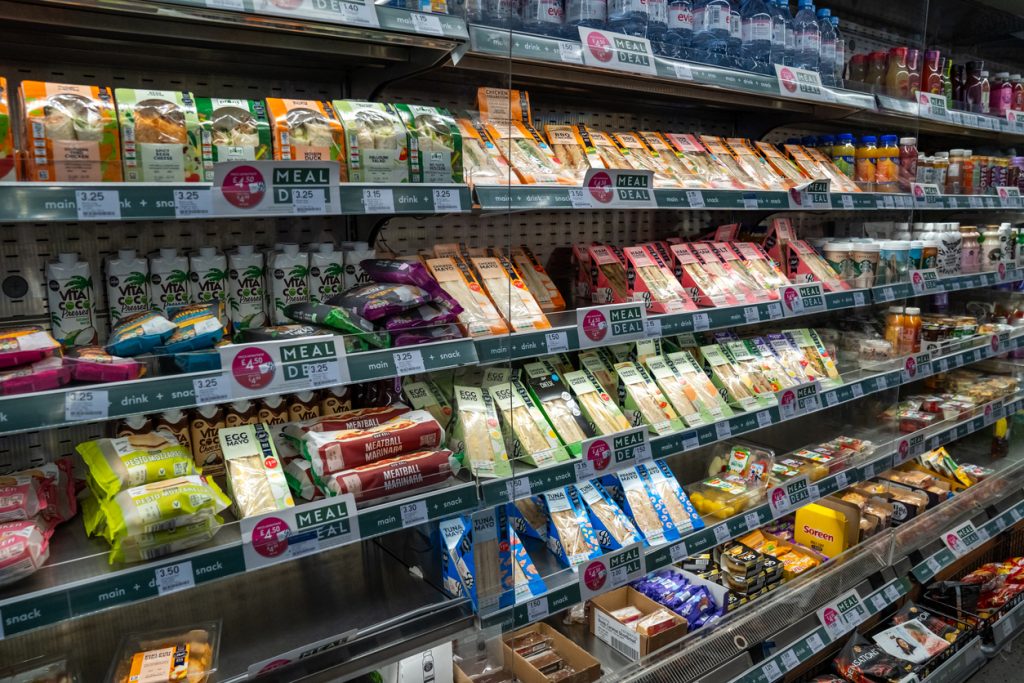
Supermarkets lose money quickly when frozen food begins to thaw, vegetables wilt or dairy products remain outside the correct temperature range. In Nigeria, where electricity supply can be unpredictable and traffic may delay deliveries for hours, protecting perishable stock requires more than installing a few commercial freezers.
Reliable cold storage for supermarkets in Nigeria combines suitable temperature-controlled facilities, backup power, organised stock handling and dependable refrigerated transport. Whether a supermarket operates one neighbourhood store or several branches across Lagos, Abuja or Port Harcourt, every stage of the cold chain must be properly coordinated.
Different Products Cannot Share the Same Storage Conditions
A common mistake is treating all chilled and frozen products as if they require the same temperature. Ice cream, frozen chicken, yoghurt, vegetables and fresh meat have different handling requirements.
Frozen products generally need consistently low temperatures, while fruits and vegetables may require chilled, well-ventilated spaces. Keeping produce too cold can damage its texture, while storing meat at an unsafe temperature can create serious quality and food-safety problems.
Supermarket operators should separate stock into clear categories:
- Frozen meat, poultry and seafood
- Ice cream and frozen desserts
- Milk, yoghurt and other dairy products
- Fresh fruits and vegetables
- Chilled drinks and prepared meals
- Temperature-sensitive medicines where applicable
Storage zones should be clearly labelled so staff do not place newly delivered products in the wrong section during busy receiving periods.
Power Backup Is Not Optional
Nigeria’s electricity situation makes backup power one of the most important parts of supermarket cold storage. A facility may look modern, but it is unsuitable if it cannot maintain stable temperatures during an outage.
Before booking a cold room or external warehouse, ask how quickly the backup generator starts, how much fuel is kept on-site and whether temperature readings are recorded continuously.
A short power interruption may not immediately destroy frozen stock, especially when cold-room doors remain closed. Repeated outages, frequent door opening and delayed generator activation, however, can gradually compromise product quality.
Supermarkets should also have a response plan covering equipment failure, fuel shortages and emergency transfer of stock to another facility.
Delivery Delays Can Break the Cold Chain
Cold storage only works when refrigerated products remain protected during transportation. A frozen-food delivery travelling from a warehouse in Apapa to a supermarket in Lekki may spend several hours on the road during heavy traffic.
If the delivery vehicle is not properly refrigerated, products can begin thawing before they reach the store. Refreezing them may hide the problem temporarily but can affect texture, shelf life and safety.
When receiving temperature-sensitive goods, supermarket staff should check:
- The condition of the delivery vehicle
- Product temperature on arrival
- Packaging for leaks or damage
- Time spent unloading the goods
- Expiry dates and batch information
- Whether the products show signs of thawing
Travo.ng can help supermarkets coordinate refrigerated transport, scheduled deliveries and cold-storage arrangements so products move with fewer unnecessary delays.
Stock Rotation Prevents Avoidable Waste
Even when a supermarket has suitable equipment, poor inventory management can still cause losses. New cartons are sometimes placed in front of older stock, leaving earlier deliveries forgotten at the back of the cold room.
Using the first-expiry, first-out method helps staff sell products with the nearest expiry dates first. Every carton should be labelled clearly, and damaged items should be separated immediately.
Cold-room shelves should also allow air to circulate. Packing products tightly against cooling vents or walls can create uneven temperatures and make stock checks difficult.
Daily temperature records, weekly stock inspections and regular equipment maintenance can reveal problems before large quantities of goods are affected.
Planning Capacity Before Peak Shopping Periods
Supermarkets often need additional cold-storage space during Christmas, Ramadan, Easter and major promotional periods. Demand for frozen chicken, turkey, drinks, dairy products and party food can increase sharply.
Waiting until the store’s freezers are full before arranging extra capacity may lead to rushed decisions and higher costs. Operators should estimate seasonal demand early and reserve space that can handle the expected stock volume.
External cold storage can also support supermarkets during renovations, equipment replacement, branch openings or bulk purchases from distributors.
Arrange Supermarket Cold-Chain Support With Travo.ng
Effective cold storage for supermarkets in Nigeria depends on stable temperatures, backup electricity, correct stock rotation and reliable refrigerated movement. A failure in any part of the process can lead to spoilage, customer complaints and avoidable financial losses.
Travo.ng supports supermarkets, food distributors and retail businesses with cold-storage coordination, cargo logistics, scheduled deliveries and temperature-controlled transportation.
By arranging storage and transport together, supermarket operators can protect perishable inventory, maintain product quality and keep their shelves supplied throughout busy and unpredictable trading periods.
