


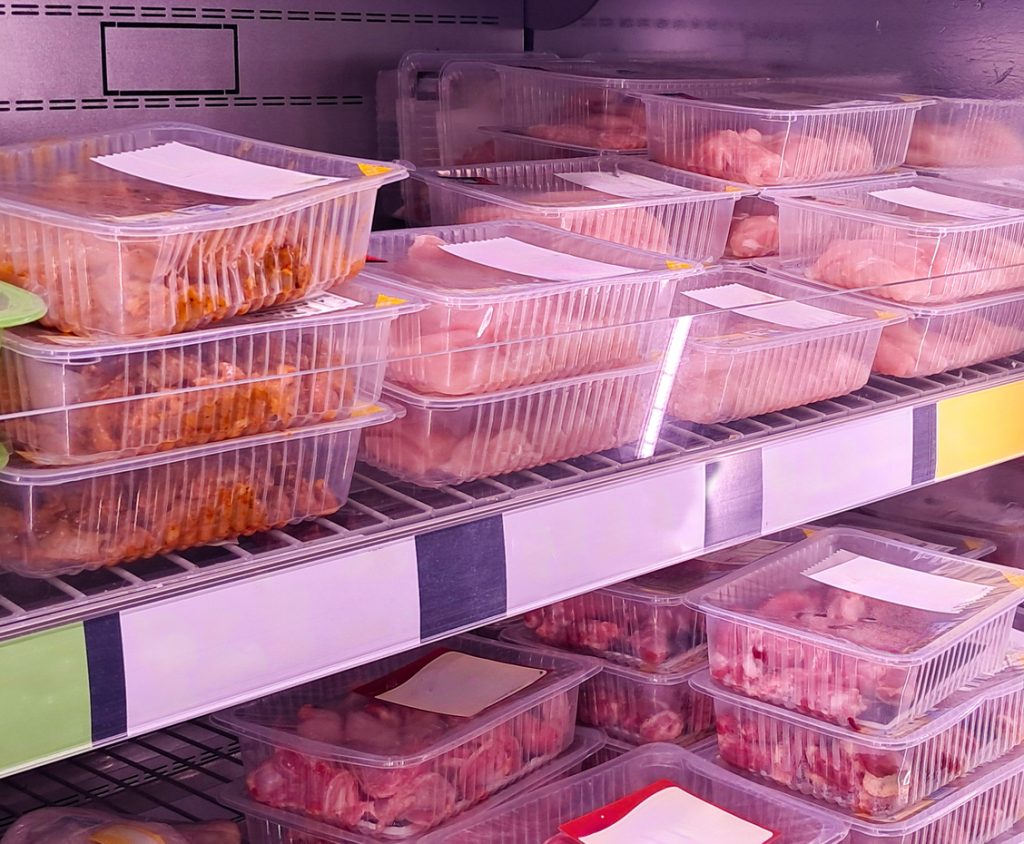
Hotels handle large quantities of food every day, from fresh vegetables and dairy products to meat, seafood, drinks and prepared meals. Without dependable refrigeration, even a short power interruption or delayed supply delivery can lead to spoiled stock, unhappy guests and avoidable financial losses.
Reliable cold storage for hotels Nigeria helps hospitality businesses preserve ingredients at safe temperatures until they are needed in the kitchen. This is especially important for hotels operating busy restaurants, banquet halls, event centres, bars and room-service departments.
A proper cold-storage plan should cover more than the cold room itself. Hotels also need reliable power, organised stock management and temperature-controlled transportation from suppliers.
What Hotels Commonly Need to Keep Cold
The refrigeration needs of a small boutique hotel in Lekki will differ from those of a large hotel serving conferences in Abuja. However, most hospitality businesses store a similar range of temperature-sensitive products.
These may include:
- Fresh meat, poultry and seafood
- Milk, yoghurt, butter and cheese
- Fruits, vegetables and salad ingredients
- Frozen foods and ice cream
- Fruit juices and soft drinks
- Cakes, desserts and prepared meals
- Ingredients purchased in bulk for events
Hotels should separate chilled goods from frozen products because they require different temperature ranges. Raw meat should also be stored away from cooked food and ready-to-eat ingredients to reduce contamination risks.
Power Interruptions Can Damage an Entire Food Supply
Unstable electricity remains one of the biggest challenges facing hotel kitchens in Nigeria. A cold room may work properly during normal power supply but begin losing temperature when there is a delay before the generator starts.
For a hotel preparing for a weekend wedding or corporate conference, losing several cartons of chicken, fish and dairy products can disrupt the entire event schedule.
Hotels should have backup power capable of supporting refrigeration equipment without long interruptions. Temperature checks should also be recorded at regular intervals rather than relying only on how cold the room feels.
Warning signs that require immediate attention include:
- Ice melting inside freezer compartments
- Water collecting around stored products
- Food becoming unusually soft
- Strong or unfamiliar odours
- Temperature readings rising repeatedly
- Refrigeration units making unusual sounds
Early action can prevent a minor equipment issue from becoming a major stock loss.
Cold Storage Should Start Before Goods Reach the Hotel
A hotel may have an excellent cold room and still receive poor-quality supplies if products were transported incorrectly.
For example, frozen seafood moved from Lagos Island to a hotel in Ikeja can begin thawing when carried in an ordinary van during afternoon traffic. Refrigerating it again on arrival does not reverse the exposure that occurred during transportation.
This is why hotels should consider the entire cold chain, including:
- Supplier storage conditions
- Packaging used during loading
- Refrigerated or insulated transportation
- Travel time to the hotel
- Inspection immediately after delivery
- Fast transfer into the cold room
Travo.ng can help hotels coordinate refrigerated logistics, scheduled deliveries and suitable transport for temperature-sensitive food supplies.
Avoid Buying More Stock Than the Hotel Can Store
Bulk purchasing can reduce the cost of food supplies, but it can also create waste when the cold room is overcrowded. Air must circulate properly around stored products for the equipment to maintain a consistent temperature.
Hotels should plan purchases around room occupancy, restaurant demand and confirmed events. A hotel expecting two conferences in one week may need additional storage capacity, while the same facility could remain underused during a quieter period.
Temporary cold storage can be useful during weddings, festive seasons, large conferences and other periods when normal capacity is insufficient.
Stock should be labelled with delivery and expiry dates. Older items should be used first, while damaged or leaking packages should be removed immediately.
Questions to Ask Before Booking Cold Storage
Before choosing a provider, confirm the available temperature range, backup power arrangements, security procedures and access hours.
Hotels should also ask whether the facility can handle both chilled and frozen products, how temperatures are monitored and what happens during equipment failure.
The cheapest option may become expensive if stock is damaged, access is delayed or the facility cannot maintain consistent refrigeration.
Arrange Hotel Cold Storage and Delivery With Travo.ng
Dependable cold storage for hotels Nigeria protects food quality, supports kitchen planning and reduces losses caused by spoilage. It also helps hotels maintain consistent service during busy weekends, conferences and festive periods.
Travo.ng supports hotels with cold-storage coordination, refrigerated transport, scheduled deliveries, cargo movement and other business logistics services across Nigeria.
By planning storage and transportation together, hotels can protect valuable supplies and keep their kitchens prepared for everyday guests and large events.
