


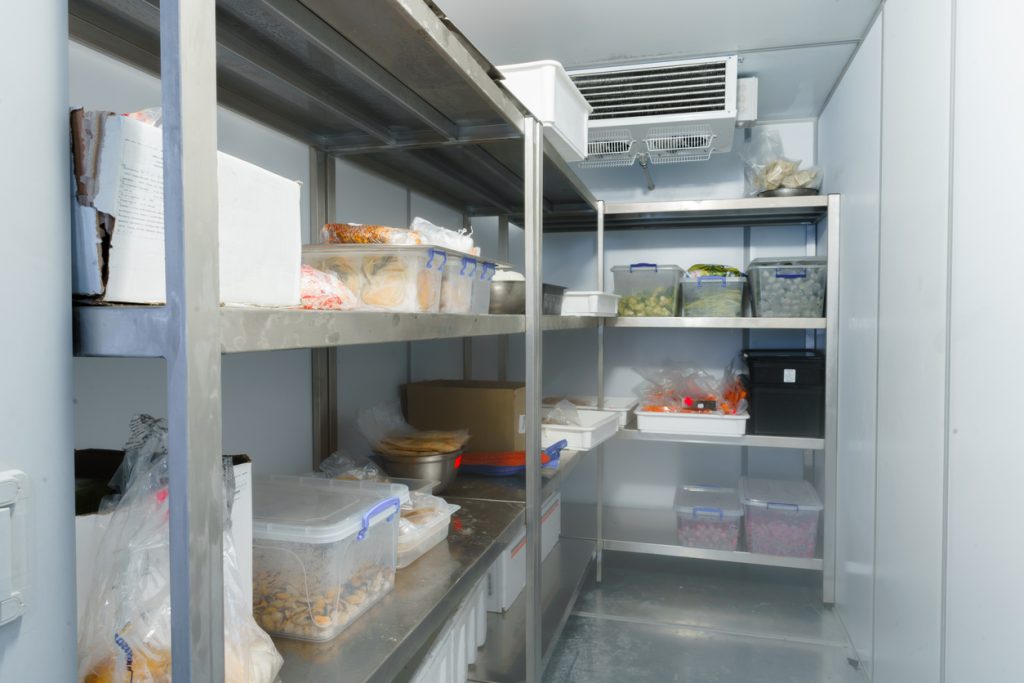
Running a restaurant involves more than preparing good meals and serving customers quickly. Behind the kitchen, managers must keep meat, fish, vegetables, dairy products and frozen ingredients at safe temperatures every day.
Reliable cold storage for restaurants in Nigeria is especially important because power interruptions, delayed supplier deliveries and poor temperature control can quickly lead to food spoilage. A freezer breakdown during a busy weekend may destroy stock worth hundreds of thousands of naira before the problem is noticed.
Restaurants need a practical system that combines suitable storage, dependable power and properly coordinated refrigerated deliveries.
What Restaurant Owners Usually Need to Store
The right storage arrangement depends on the type of food a restaurant sells and how frequently supplies arrive.
A quick-service restaurant serving chicken, burgers and fries may need more freezer capacity than a small café focused on pastries and drinks. Hotels, caterers and event kitchens may require separate spaces for frozen products, chilled ingredients and prepared meals.
Common items that require controlled temperatures include:
- Fresh and frozen meat
- Fish and seafood
- Milk, cheese and yoghurt
- Vegetables and fruits
- Prepared sauces and soups
- Frozen snacks and desserts
- Cakes containing cream
- Ready-to-cook meals
Raw meat should not be stored beside cooked food. Strong-smelling fish should also be properly sealed to prevent contamination of other ingredients.
Power Supply Can Determine Whether Storage Works
A cold room is only useful when its temperature remains stable. In areas where electricity supply is inconsistent, restaurants must confirm that the facility has dependable backup power.
A restaurant in Lekki, Ikeja or Port Harcourt may receive frozen supplies late in the evening. If the cold room loses power overnight, staff may arrive the next morning to find that products have partially thawed.
Before booking a facility, ask about:
- Generator or alternative power availability
- Temperature monitoring procedures
- Maintenance response times
- Security and access control
- Operating and collection hours
- Emergency arrangements during equipment failure
Restaurants should also keep temperature records instead of relying only on how cold the room feels.
How Much Storage Space Does a Restaurant Need?
Booking a larger space than necessary increases operating costs, while choosing too little capacity can lead to overcrowding and poor air circulation.
Calculate storage needs using the restaurant’s average weekly stock volume rather than only its busiest period. Leave additional space for festive seasons, large catering orders and delayed supplier schedules.
December demand in cities such as Lagos and Abuja can rise sharply because of weddings, office parties and family events. Restaurants that normally restock twice weekly may need to hold more chicken, seafood, drinks and prepared ingredients.
Where possible, separate daily-use stock from bulk reserves. This reduces how often the main storage area is opened and helps maintain a more stable temperature.
Refrigerated Transport Is Part of the Cold Chain
Food can still spoil even when the storage facility is reliable. The temperature must also be controlled while products are moving from the supplier to the restaurant or external cold room.
For example, frozen fish transported from a Lagos cold store to a restaurant in Ibadan may begin thawing if it spends several hours in an unsuitable vehicle. Heavy traffic around Ojota, Berger or the Lagos-Ibadan Expressway can make the journey longer than expected.
The delivery team should plan:
- The correct pickup time
- Suitable insulated or refrigerated transport
- Fast loading and unloading
- A direct route with limited stops
- Immediate placement into storage on arrival
Travo.ng can help restaurants coordinate cargo movement, scheduled deliveries and suitable transport for temperature-sensitive supplies.
Mistakes That Lead to Avoidable Food Loss
One common mistake is filling a freezer beyond its recommended capacity. Overloading can block airflow and prevent products from freezing evenly.
Restaurants also lose stock when employees fail to label items correctly. Every package should show the product name, storage date and expected use-by date. Older stock should be used before newer deliveries.
Other costly mistakes include leaving doors open, storing hot food immediately, mixing damaged products with good stock and ignoring unusual smells or temperature changes.
Simple daily checks can prevent a small problem from becoming a major loss.
Arrange Restaurant Storage and Logistics With Travo.ng
Dependable cold storage for restaurants in Nigeria helps food businesses protect inventory, maintain quality and prepare for changes in customer demand.
Travo.ng supports restaurants, caterers, hotels and food businesses with storage coordination, refrigerated logistics, cargo transport and scheduled delivery services. Whether supplies are moving within Lagos or between Nigerian cities, proper planning helps maintain the cold chain from pickup to storage.
With suitable storage space, reliable power and well-timed deliveries, restaurants can reduce waste and keep essential ingredients available when customers place their orders.
