


Harvesting a good crop does not always guarantee a good return. For many Nigerian farmers, the biggest losses happen after produce leaves the farm. Tomatoes soften, vegetables wilt, fruits over-ripen, and fish or poultry can become unsafe before buyers are ready to collect them.
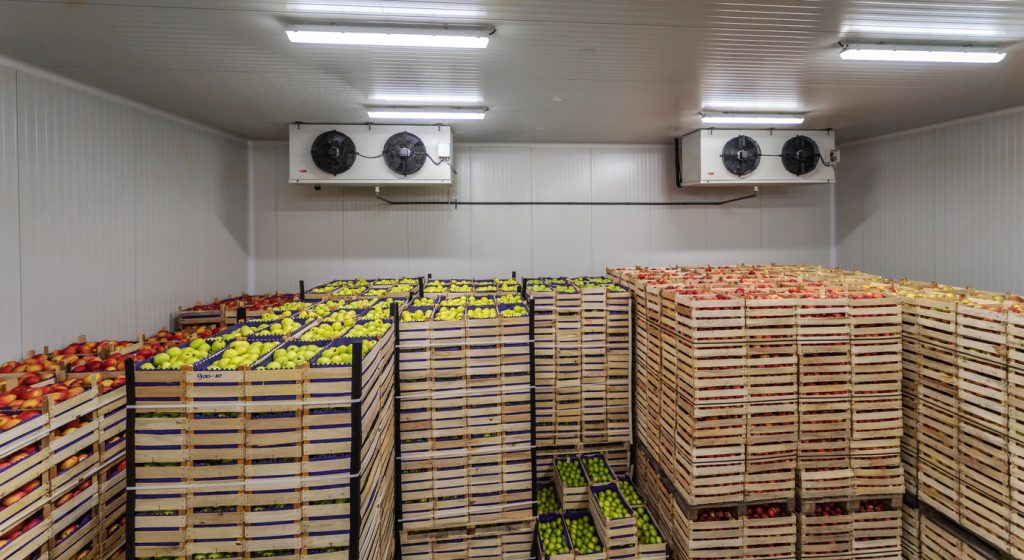
Access to cold storage for farmers Nigeria helps slow this deterioration and gives producers more time to sell, process or transport their goods. It is particularly useful for farmers supplying supermarkets, hotels, restaurants, food processors and major markets where buyers expect consistent quality.
The right arrangement combines suitable storage temperatures with careful packaging, prompt pickup and reliable transportation.
What Happens When Produce Waits Too Long After Harvest
Fresh produce continues to change after harvesting. Heat, poor ventilation and rough handling speed up deterioration, especially when crops remain in sacks, baskets or vehicles for several hours.
A tomato farmer outside Kano may harvest early in the morning but still lose part of the load if the produce sits under the sun while waiting for transport. Leafy vegetables moved from farms around Jos can arrive in Abuja looking tired if they are packed tightly without cooling.
Farmers commonly lose produce because of:
- Delayed vehicle arrival
- Poorly ventilated packaging
- Exposure to direct sunlight
- Overloaded crates and baskets
- Long journeys in unrefrigerated vehicles
- Unstable electricity at storage facilities
- Mixing damaged produce with healthy stock
Cold storage cannot correct produce that has already spoiled. Cooling and proper handling must begin as soon as reasonably possible after harvest.
Crops That Usually Need Temperature-Controlled Storage
Not every crop belongs inside a cold room. Grains, dried beans and properly cured yams may be better suited to dry, ventilated warehouses. Cold facilities are mainly needed for highly perishable products.
These may include:
- Tomatoes and peppers
- Leafy vegetables
- Fruits such as grapes and strawberries
- Fresh fish and seafood
- Poultry and meat
- Milk and dairy products
- Certain flowers and seedlings
The storage temperature should match the product. Keeping produce too cold can also cause damage. Some tropical fruits develop chilling injuries when stored below their recommended temperature.
Before booking space, farmers should explain the product type, quantity, packaging method and expected storage duration to the facility operator.
How Farmers Can Plan Storage Before Harvest Day
Waiting until produce has been harvested before searching for storage often leads to rushed decisions. During peak seasons, available cold-room space may be limited, especially around major farming and distribution areas.
Farmers should arrange storage and transportation several days before harvesting. The plan should confirm:
- The expected harvest quantity
- The collection time at the farm
- The type and number of crates required
- The vehicle capacity
- The storage temperature
- The intended buyer or delivery date
For large harvests, produce may need to be collected in batches. This prevents overcrowding at the farm and reduces the time crops spend exposed to heat.
Travo.ng can help coordinate farm pickups, cargo transport and delivery scheduling alongside suitable storage arrangements.
The Cost Must Be Compared With the Value Saved
Cold storage charges vary according to product volume, temperature requirements, location, electricity costs and storage duration. Farmers may be charged per crate, pallet, kilogram, tonne or day.
The cheapest facility is not always the best option. A cold room with unreliable power may expose produce to repeated temperature changes. A distant facility may also increase transport costs and handling damage.
Before making a decision, compare the total cost of storage and transport with the likely value of produce that would otherwise be lost. For higher-value vegetables, fruits, fish or poultry, preserving quality for a few extra days can protect a significant part of the farmer’s income.
Farmers should also ask whether the facility has backup power, temperature records, pest control, security and clear stock-handling procedures.
Arrange Cold Storage and Farm Transport With Travo.ng
Reliable cold storage for farmers Nigeria works best when storage, packaging and transportation are planned together. A good cold room cannot fully protect produce that arrives late, crushed or already overheated.
Travo.ng supports farmers, cooperatives, food distributors and agricultural businesses with cargo movement, farm pickups, temperature-sensitive delivery and storage coordination across Nigeria.
Planning these services before harvest helps reduce spoilage, maintain product quality and improve the chances of selling produce at a fair price instead of accepting a rushed offer because the goods are deteriorating.
