


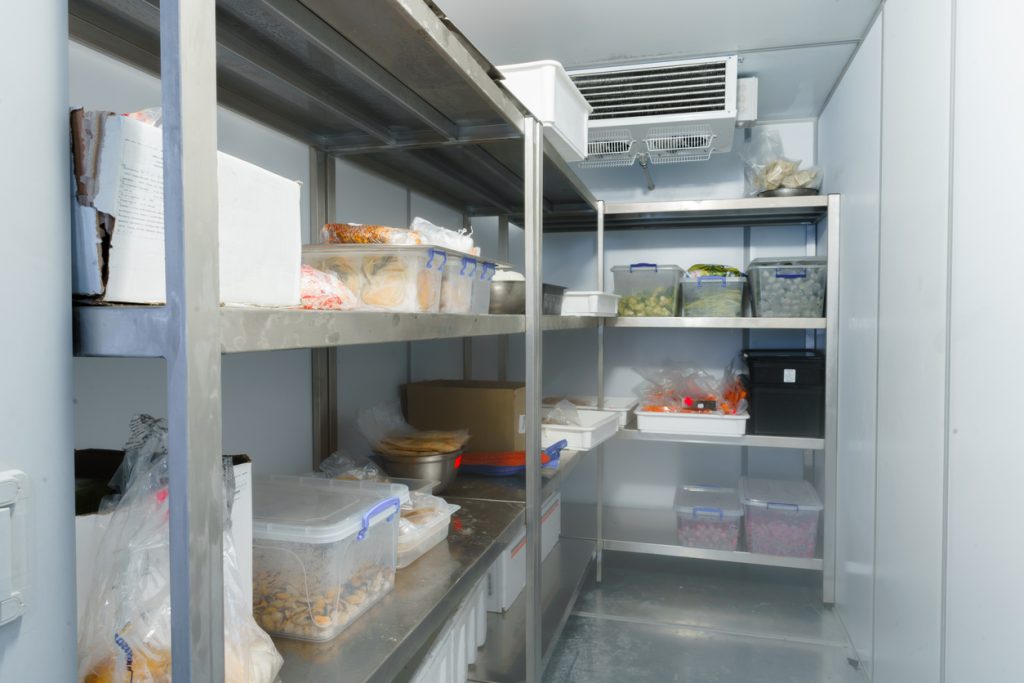
Fresh food traders can lose a large part of their stock before it reaches customers. Fish may thaw during a power outage, vegetables can wilt under market heat, and meat can become unsafe when it remains outside controlled temperatures for too long.
Reliable cold storage for markets in Nigeria helps traders, wholesalers and food distributors protect perishable goods while waiting for sale or onward delivery. It is especially important in busy markets where products arrive in large volumes but may not sell immediately.
From Mile 12 Market in Lagos to Wuse Market in Abuja and Oil Mill Market in Port Harcourt, better storage planning can reduce avoidable waste and help traders maintain consistent product quality.
What Market Traders Usually Need to Store
Cold storage is not only for large supermarkets or food processing companies. Small and medium-sized traders also use refrigerated facilities when they buy stock in bulk or need to preserve goods overnight.
Products commonly stored include:
- Frozen fish and poultry
- Fresh meat
- Tomatoes and peppers
- Leafy vegetables
- Dairy products
- Fruit and fruit concentrates
- Frozen foods and packaged meals
- Ice cream and chilled drinks
Each product requires a suitable temperature. Frozen chicken should not be kept under the same conditions as fresh vegetables. Traders should confirm whether a facility provides freezing, chilling or temperature-controlled storage before moving their goods.
How Spoilage Happens Before Goods Reach the Market
Many food losses begin during transportation rather than inside the market. A trader may buy frozen fish from a supplier in Apapa and move it to Agege in an open vehicle during afternoon traffic. Even when the goods are placed in a freezer later, hours of exposure may already have affected their quality.
Similar problems occur when vegetables are transported from northern farming areas to Lagos. Rough handling, poor ventilation and delays around Lokoja or Lagos entry points can leave the produce damaged before unloading.
A reliable cold-chain arrangement should cover:
- Proper packaging at the collection point
- Timely pickup
- Refrigerated or insulated transportation where necessary
- Fast unloading
- Immediate placement in suitable storage
- Planned delivery or collection times
Travo.ng can help coordinate cargo movement, scheduled deliveries and suitable transport arrangements for temperature-sensitive market goods.
Power Supply Is a Major Booking Consideration
Before choosing cold storage for markets in Nigeria, traders should ask how the facility manages power interruptions.
A cold room that depends only on public electricity may expose goods to temperature fluctuations. The facility should have a dependable backup system, such as a generator, inverter setup or another reliable power arrangement.
Traders should also confirm whether temperature checks are recorded. This is particularly important for meat, fish and dairy products because repeated thawing and refreezing can affect both quality and safety.
Other questions to ask include:
- Is the facility monitored overnight?
- How frequently is it cleaned?
- Is pest control carried out?
- Are goods separated by product type?
- What happens when equipment develops a fault?
- Is access limited to authorised people?
These details matter more than choosing the lowest daily storage rate.
What Cold Storage May Cost Market Businesses
Storage charges vary depending on the product, quantity, required temperature, location and length of stay. Some facilities charge per crate, carton, bag, pallet or kilogram, while others rent space daily or monthly.
Transport costs must also be considered. A cheap cold room located far from the market may become expensive once repeated pickup and delivery charges are added.
Before booking, compare the full cost of:
- Moving the goods into storage
- Loading and unloading
- Daily or monthly storage charges
- Backup power fees
- Delivery back to the market
- Possible losses from delayed collection
For many traders, a facility close to the market or major distribution route offers better value than the cheapest option available.
Mistakes That Increase Food Losses
One common mistake is waiting until products begin to spoil before searching for storage. Cold-room space can become limited during festive periods, fishing seasons and peak agricultural harvests.
Another problem is overloading freezers or stacking cartons in a way that blocks airflow. Even when the equipment is working, poor arrangement can produce uneven temperatures.
Traders should inspect goods before storage, remove damaged items and keep clear records of quantities, dates and collection deadlines.
Arrange Market Storage and Delivery With Travo.ng
Good cold storage for markets in Nigeria gives food traders more control over stock quality, sales timing and product safety. It also makes bulk purchasing more practical because goods can be preserved until customers are ready to buy.
Travo.ng helps businesses arrange cold storage support, cargo transportation, delivery services and logistics coordination across Nigeria. By planning storage and movement together, market traders can reduce spoilage, protect their investment and deliver fresher products to customers.
