


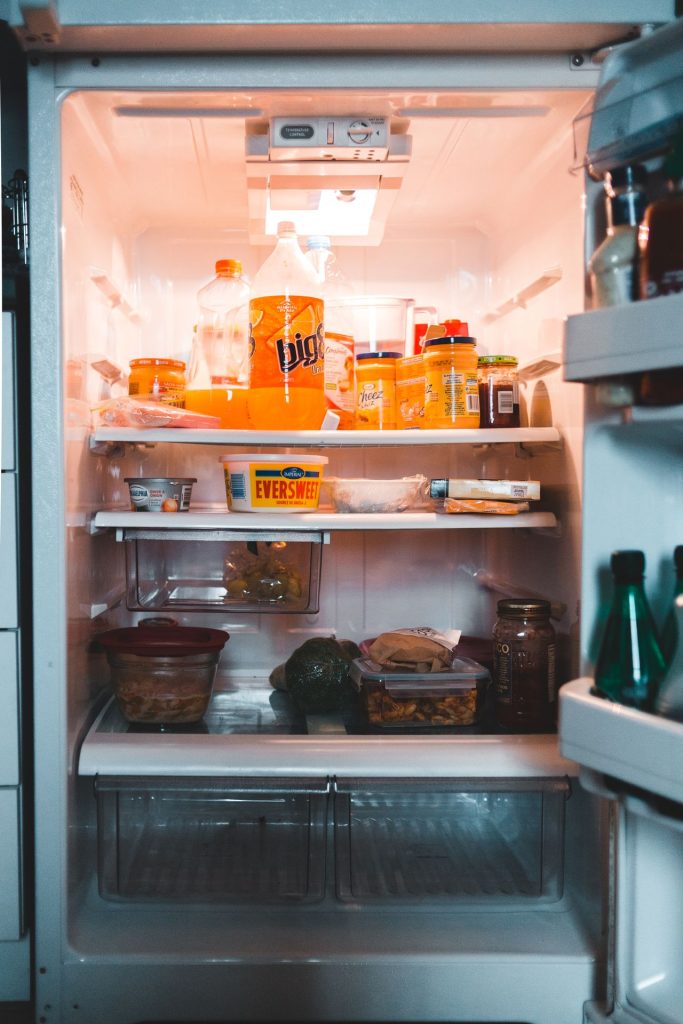
Selling perishable food in a Nigerian market comes with a daily risk. Once fish, meat, poultry, vegetables or dairy products are exposed to heat for too long, their quality begins to fall. Traders may have to reduce prices, discard damaged stock or lose customers who no longer trust the freshness of their products.
A reliable market cold room Nigeria service gives traders and food businesses somewhere suitable to preserve temperature-sensitive goods before they are sold or moved to another location. However, choosing a cold room involves more than finding the nearest building with a freezer.
The facility, power supply, hygiene standards, access arrangements and transport process all affect whether the goods remain safe.
What Traders Should Confirm Before Storing Their Goods
Cold rooms do not all operate at the same temperature. Frozen chicken, fresh fish, vegetables and dairy products have different storage requirements.
Before paying for space, ask the operator what products the facility accepts and how the temperature is monitored. A room designed for chilled drinks may not be suitable for frozen meat.
Traders should also confirm:
- Whether the facility has dependable backup power
- How often temperatures are recorded
- Whether goods are stored on clean racks or pallets
- How products are labelled and separated
- The opening and collection hours
- Whether overnight or long-term storage is available
- What happens during equipment failure
These questions are especially important in busy trading areas where several customers may share the same cold room.
Power Failure Is Not the Only Storage Risk
Many customers focus on electricity because refrigeration depends on a stable power supply. However, poor handling can damage products even when the cold room is working properly.
Goods may spoil when they are left outside during loading, packed in weak cartons or moved in vehicles without suitable cooling. Repeatedly opening the cold-room door can also allow warm air into the facility.
For example, frozen fish transported from a cold store in Apapa to a market in Ikeja may begin thawing if it remains in Lagos traffic for several hours inside an ordinary van. Returning it to a freezer later does not reverse the handling problem.
The storage and transportation plan must work together.
How Market Traders Can Reduce Daily Food Losses
Traders should estimate how much stock they can realistically sell before ordering large quantities. Buying more frozen food because the unit price is lower may not save money if storage and transport are poorly planned.
A practical routine includes:
- Inspecting goods before accepting delivery
- Separating damaged cartons immediately
- Recording quantities placed in storage
- Collecting only the stock required for that day
- Using insulated containers for short movements
- Scheduling transport before removing goods from the cold room
This approach reduces unnecessary exposure and makes it easier to track losses.
Businesses operating around Mile 12, Oyingbo, Bodija, Wuse Market or other major trading areas should also consider traffic when scheduling pickups. Early-morning movement may reduce the time perishable goods spend on the road.
When a Dedicated Cold Room Makes More Sense
Shared storage is often practical for small traders, restaurants and food vendors with limited stock. Larger distributors may need dedicated cold-room space because they require more control over access, stock rotation and temperature settings.
A dedicated facility may be more suitable when a business:
- Supplies several supermarkets or restaurants
- Receives frequent bulk deliveries
- Stores different categories of frozen goods
- Needs regular stock inspections
- Requires controlled access for employees
- Handles goods for several branches
The decision should be based on storage volume, turnover and operating schedule rather than price alone.
Arrange Cold Storage and Transport Through Travo.ng
Finding a suitable market cold room Nigeria service is only one part of protecting perishable goods. Businesses also need reliable pickups, proper loading arrangements and transportation that reduces exposure to heat.
Travo.ng helps traders, restaurants, food distributors and agricultural businesses coordinate cold storage, cargo movement, delivery services and temperature-sensitive transport across Nigeria.
A trader can arrange for goods to be collected from a supplier, moved to an appropriate storage facility and delivered to a shop, restaurant or market when needed. This coordinated approach reduces delays and avoids the confusion of dealing separately with several unconnected providers.
With proper planning, cold storage can help businesses reduce spoilage, maintain product quality and serve customers more consistently.
