


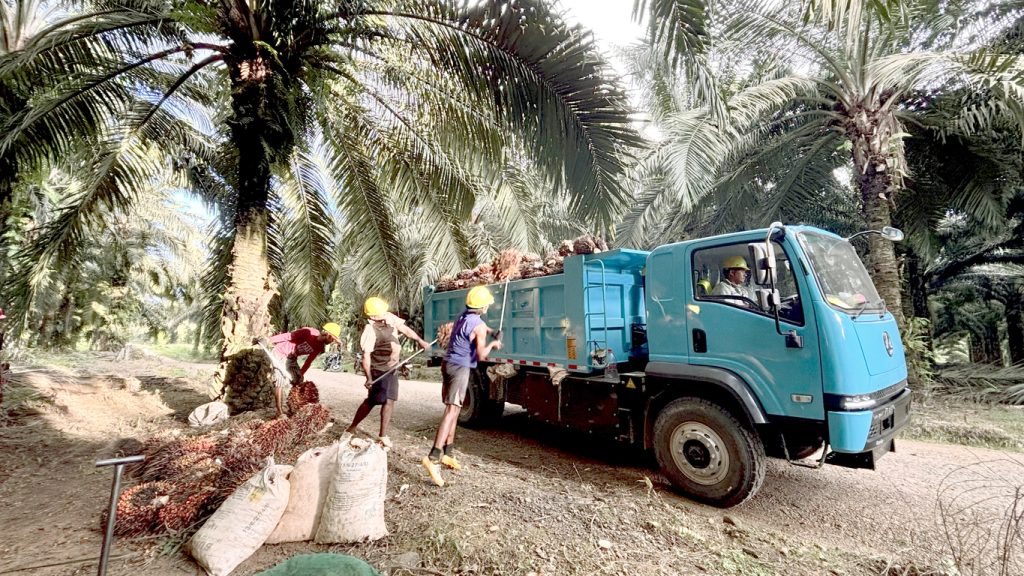
Moving food from a farm to the final consumer involves far more than loading produce into a vehicle. Fresh crops must be harvested at the right time, packed correctly, transported without unnecessary delay and delivered under suitable conditions.
This makes farm to fork logistics in Nigeria an important part of the agricultural supply chain. When one stage is poorly managed, tomatoes may arrive crushed, vegetables may lose freshness, grains may absorb moisture and frozen products may become unsafe.
Farmers, food processors, wholesalers, supermarkets, restaurants and exporters all need reliable coordination between harvesting, storage, transportation and final delivery.
What Happens Between the Farm and the Buyer
The journey usually begins at the farm or collection centre. Produce may then move to a warehouse, processing facility, open market, supermarket, restaurant or export terminal.
Each stage requires planning. A typical movement may include:
- Collection from farms or aggregation points
- Sorting and quality checks
- Packaging and labelling
- Loading into suitable vehicles
- Temporary or cold storage
- Delivery to processors or retailers
- Distribution to customers
A vegetable supplier collecting produce from farms around Epe, for example, may need to deliver to restaurants and supermarkets across Lekki, Victoria Island and Ikeja. Delays during loading or Lagos traffic can reduce the shelf life of the goods before they reach the buyer.
Good logistics planning reduces unnecessary waiting and keeps the movement organised from the first pickup.
Fresh Produce Cannot Be Handled Like General Cargo
Agricultural products require different handling methods. Bags of properly dried rice can survive a longer journey than fresh tomatoes, leafy vegetables or dairy products.
Tomatoes and peppers should be packed in ventilated crates rather than overloaded baskets that encourage crushing. Grains must be dry and protected from rain. Frozen fish, meat and dairy products require refrigerated transport or insulated handling that keeps temperatures stable.
Before arranging transport, the shipper should confirm:
- The type and quantity of produce
- Pickup and delivery locations
- Required delivery time
- Packaging method
- Temperature requirements
- Loading and offloading arrangements
- Whether temporary storage is needed
These details help determine whether the movement requires a van, pickup truck, refrigerated vehicle or larger haulage truck.
Delays That Commonly Affect Agricultural Deliveries
Many food supply problems begin with poor timing. A driver may arrive before the produce is sorted, or harvested goods may remain in the sun while waiting for a vehicle.
Interstate movements face additional challenges. Produce travelling from Kano to Lagos may encounter road delays, vehicle breakdowns or long stops. Goods coming from farms around Benue to markets in Abuja may also lose quality when collection schedules are not properly coordinated.
Other common causes of delay include:
- Poor access roads around farming communities
- Late harvesting or packaging
- Inadequate vehicles during peak seasons
- Unplanned stops along the route
- Traffic around major city markets
- Slow offloading at warehouses or retail outlets
A realistic delivery schedule should account for road conditions, traffic and the time required to load delicate produce safely.
How Storage Fits Into Farm to Fork Logistics
Not every product moves directly from the farm to a buyer. Some goods require temporary storage before processing or distribution.
Grains may be stored in dry, ventilated warehouses, while fruits, vegetables, fish and meat may require temperature-controlled facilities. The storage location should be close enough to the supply route to avoid unnecessary handling and extra transport costs.
Businesses should also keep accurate records of when goods entered storage, their condition on arrival and when they must be dispatched. This makes it easier to use older stock first and prevent avoidable spoilage.
Travo.ng can help coordinate storage, cargo movement and scheduled deliveries as part of a broader agricultural logistics plan.
Planning Deliveries Around Real Market Demand
A reliable supply chain should match farm collection with actual customer orders. Transporting more produce than buyers can receive may lead to waste, rejected deliveries and additional storage expenses.
Processors and retailers can reduce these problems by sharing clear order quantities, delivery windows and quality requirements before pickup begins.
Restaurants and supermarkets may prefer smaller, frequent deliveries, while food-processing businesses may require larger scheduled loads. Understanding the buyer’s needs helps determine the right vehicle size, route and delivery frequency.
Move Agricultural Products With Travo.ng
Reliable farm to fork logistics in Nigeria helps protect food quality, reduce post-harvest losses and maintain a steady supply between farms and consumers.
Travo.ng supports farmers, aggregators, food distributors and businesses with cargo transport, delivery coordination, vehicle hire, storage support and cold-chain logistics where required.
By coordinating collection, handling and final delivery through one practical process, businesses can move agricultural goods more efficiently and deliver fresher products to processors, retailers and customers across Nigeria.
