


Moving food across Nigeria requires more planning than transporting ordinary cargo. A delayed vehicle, unsuitable packaging or a broken cold chain can turn valuable stock into a complete loss before it reaches the buyer.
Reliable food logistics in Nigeria connects farmers, processors, distributors, supermarkets, restaurants and consumers while protecting product quality throughout the journey. The process may involve collection from farms, temporary storage, refrigerated transport, inventory handling and scheduled delivery to several locations.
Whether the shipment contains fresh vegetables, frozen poultry, beverages or packaged groceries, every stage must be planned around the product’s condition and shelf life.
Fresh Food Cannot Wait Like Regular Cargo
Food deliveries are often time-sensitive. Tomatoes collected in Kano, fish transported from Port Harcourt and leafy vegetables supplied to Lagos restaurants all begin losing quality when collection is delayed.
Even packaged products may be affected by excessive heat, moisture or careless stacking. A vehicle suitable for moving furniture may not be appropriate for carrying yoghurt, meat or temperature-sensitive ingredients.
Before arranging transportation, the logistics provider should know:
- The type and quantity of food
- Required storage temperature
- Pickup and delivery locations
- Expected journey duration
- Packaging method
- Loading and unloading requirements
- Latest acceptable delivery time
These details determine whether the goods need a refrigerated truck, insulated containers, a covered van or standard cargo transport.
Keeping the Cold Chain Stable During Transit
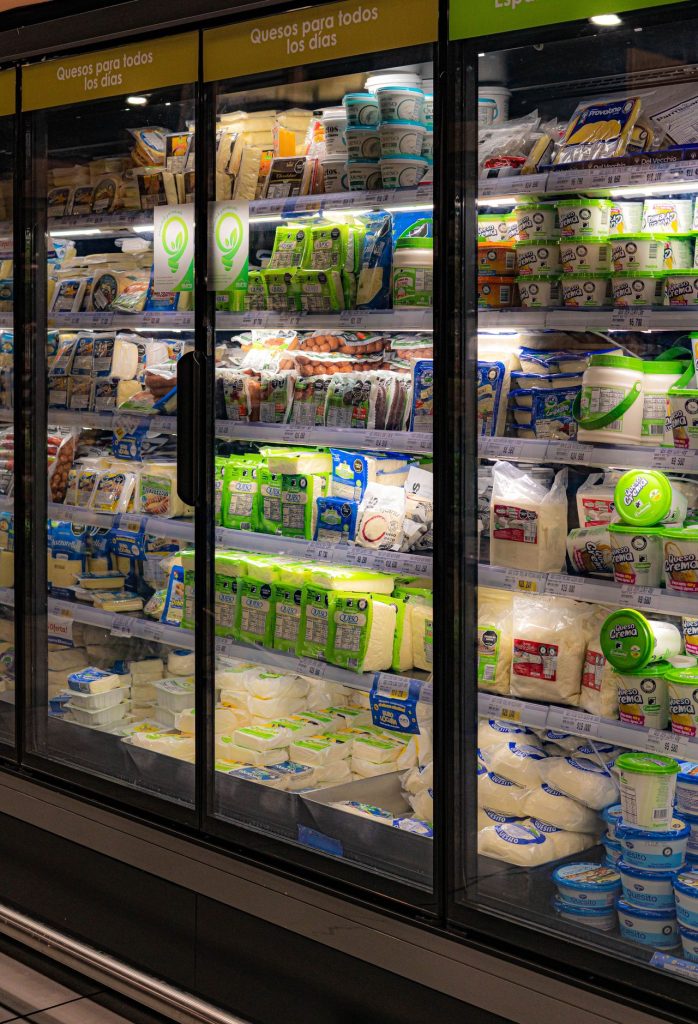
Cold-chain logistics is essential for frozen foods, dairy products, meat, seafood and some fresh produce. These goods must remain within a suitable temperature range from collection until delivery.
A common mistake is focusing only on the cold room while ignoring the journey. Frozen food may leave a properly managed facility but spend hours inside an unrefrigerated vehicle during Lagos traffic. By the time it reaches a supermarket in Lekki or Ikeja, the stock may have partially thawed.
Businesses should confirm that the vehicle is cooled before loading and that doors are not opened unnecessarily during the trip. For multiple deliveries, the route should be arranged carefully so products do not remain in transit longer than necessary.
Travo.ng can help coordinate suitable vehicles, pickup schedules and delivery routes for food products moving within cities or between states.
What Delays Food Deliveries Across Nigeria
Traffic is one of the most obvious challenges, but it is not the only one. Loading delays, poor road conditions, vehicle breakdowns and incomplete delivery instructions can also affect food shipments.
For example, a supplier moving packaged goods from Lagos to Abuja should account for possible delays around the Lagos–Ibadan Expressway and Lokoja corridor. The driver should leave early enough to avoid unnecessary overnight stops, particularly when carrying perishable items.
Within Lagos, deliveries to several restaurants across Victoria Island, Lekki and Ajah should be grouped logically. Sending one vehicle back and forth across congested routes increases fuel costs and exposes food to longer transit times.
A realistic delivery plan should include extra time for traffic without creating unnecessary waiting periods at pickup points.
Packaging Protects More Than the Product
Good packaging reduces contamination, crushing, leakage and temperature loss. Fresh produce should be packed in containers that allow ventilation without placing excessive weight on the items underneath.
Raw food should also be separated from ready-to-eat products. Leaking meat or fish cartons can contaminate other goods in the same vehicle, even when the journey is short.
Before dispatch, businesses should check that:
- Containers are clean and strong enough for stacking.
- Frozen items are properly sealed.
- Labels show the destination and handling instructions.
- Damaged packages are removed before loading.
- Products are arranged to prevent movement during transit.
Simple checks at the loading stage can prevent costly disputes when goods arrive.
Food Businesses Need Reliable Delivery Records
Restaurants, supermarkets and food processors often receive several deliveries each day. Clear documentation helps both the supplier and customer confirm what was collected, transported and delivered.
Useful records include pickup time, product quantity, vehicle details, delivery time and the condition of the goods on arrival. For temperature-sensitive products, temperature records may also be necessary.
These details make it easier to investigate shortages, damaged stock or delayed deliveries rather than relying on conflicting verbal reports.
Coordinate Food Transport and Delivery With Travo.ng
Effective food logistics in Nigeria depends on timely collection, appropriate vehicles, safe packaging and carefully planned routes. When these parts are handled separately without proper coordination, delays and product losses become more likely.
Travo.ng supports food producers, distributors, retailers and hospitality businesses with cargo transport, cold-chain movement, storage coordination and scheduled delivery services across Nigeria.
With practical planning and reliable logistics support, businesses can protect food quality, meet delivery windows and serve customers without avoidable waste.
