


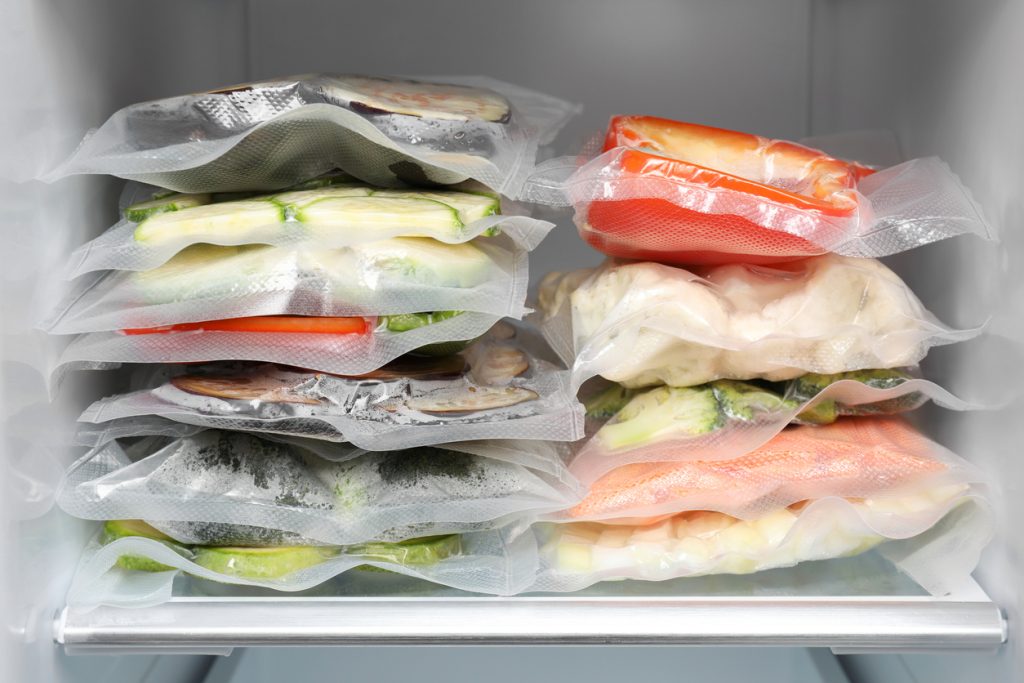
Businesses handling fresh food, frozen products, medicines or agricultural produce cannot use an ordinary warehouse and expect the goods to remain in good condition. These items need controlled temperatures, careful handling and reliable movement from pickup to storage.
Suitable perishable storage in Nigeria helps reduce spoilage, protect product quality and prevent financial losses caused by heat exposure or delayed delivery. It is particularly important for food distributors, supermarkets, restaurants, pharmaceutical suppliers, farmers and online grocery businesses.
However, booking a cold room is only one part of the process. The condition of the goods during packaging, transportation, loading and unloading also determines whether they reach customers safely.
What Actually Needs Temperature-Controlled Storage
Perishable goods are products that can deteriorate quickly when exposed to unsuitable temperatures or poor handling conditions.
Common products requiring specialised storage include:
- Fresh fruits and vegetables
- Frozen meat and poultry
- Fish and seafood
- Dairy products
- Ice cream and frozen desserts
- Vaccines and temperature-sensitive medicines
- Flowers and certain cosmetic products
- Processed foods with limited shelf lives
Storage requirements vary between products. Frozen chicken should not be kept under the same conditions as tomatoes, yoghurt or pharmaceutical supplies.
Before moving any item into storage, confirm its recommended temperature range, maximum storage period and handling instructions.
Why Goods Spoil Before Reaching the Cold Room
Many losses blamed on storage facilities actually begin during transportation. Goods may spend several hours in an unrefrigerated vehicle before reaching the warehouse.
For example, frozen food collected from Apapa and moved through Lagos traffic to a facility in Ikeja may start thawing if the vehicle lacks proper temperature control. Placing it inside a freezer afterwards does not automatically reverse the damage.
Other common causes of spoilage include:
- Delayed pickup after production or harvesting
- Poorly insulated packaging
- Leaving goods under direct sunlight
- Frequent opening of vehicle or cold-room doors
- Unplanned stops during delivery
- Power failure without backup supply
- Mixing chilled and frozen products together
A reliable cold-chain plan should reduce the time products spend outside controlled conditions.
What to Confirm Before Booking Perishable Storage
Do not choose a facility simply because it advertises cold storage. Ask practical questions about how the facility operates and whether it suits your goods.
Confirm the following:
- The available temperature ranges
- Whether backup power is available
- How temperatures are monitored
- Whether storage areas are clean and pest-free
- How quickly goods can be received and released
- Whether stock is separated by product type
- What happens during equipment failure
Businesses should also confirm whether storage charges are calculated by pallet, carton, kilogram, square metre or number of days. Understanding the pricing method helps prevent unexpected costs.
Coordinating Transport With Storage Time
The vehicle should arrive when the facility is ready to receive the goods. Poor coordination can leave drivers waiting outside while temperature-sensitive products remain inside the vehicle.
This is a frequent problem during busy periods such as Christmas, Easter and Ramadan, when demand for frozen food, drinks and groceries increases. Cold rooms may be crowded, and loading bays can become congested.
For interstate movement, timing matters even more. Fresh produce moving from Jos to Lagos or seafood travelling from Port Harcourt to Abuja needs a realistic journey plan that considers road conditions, rest stops and delivery hours.
Travo.ng can help businesses coordinate refrigerated transport, cargo movement, scheduled deliveries and suitable storage arrangements across Nigeria.
Small Handling Mistakes Can Cause Large Losses
Cold storage cannot protect goods that were already damaged before arrival. Products should be inspected, counted and recorded during pickup and delivery.
Avoid overloading cartons, stacking delicate produce under heavy items or allowing frozen packages to sit on warm floors. Damaged packaging should be separated immediately because leakage or contamination may affect other stock.
Businesses should also use a first-in, first-out system so older goods leave the facility before newer stock. This is especially important for dairy products, processed foods and medicines with expiration dates.
Arrange Reliable Perishable Storage With Travo.ng
Effective perishable storage in Nigeria requires dependable facilities, proper packaging and well-coordinated transportation. Every stage must work together to maintain the required temperature and protect product quality.
Travo.ng supports farmers, retailers, food distributors, pharmaceutical businesses and hospitality companies with cargo transport, delivery coordination, cold-chain movement and storage solutions.
By arranging transport and storage as one connected process, businesses can reduce spoilage, improve stock control and deliver sensitive goods to customers in better condition.
