


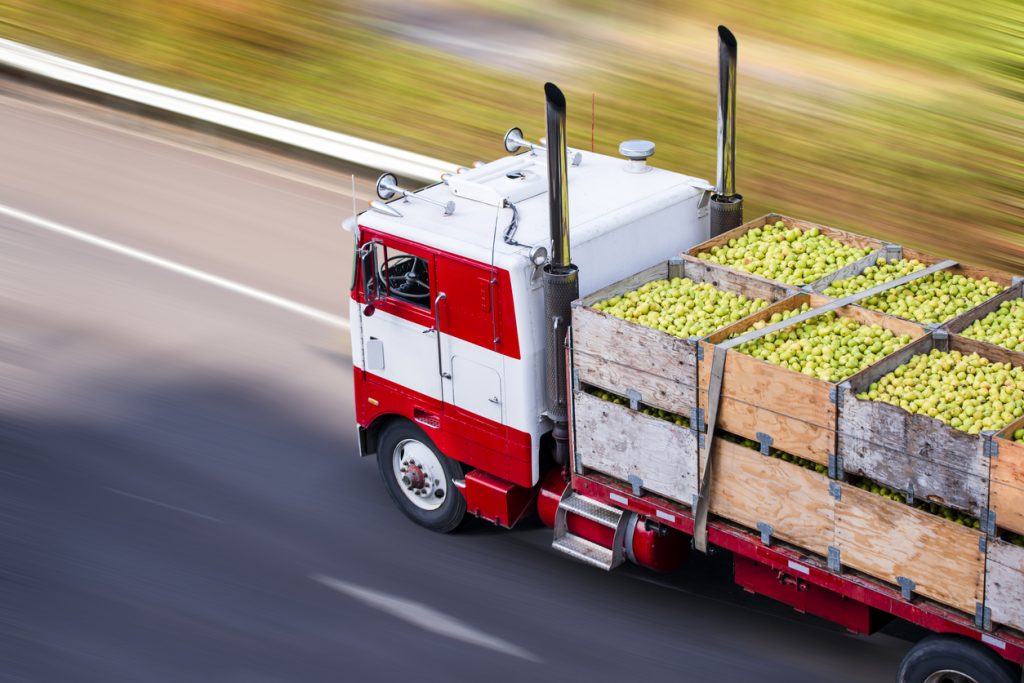
Moving vegetables, fruits and other farm products across Nigeria requires more planning than ordinary cargo delivery. Fresh produce can lose quality quickly when it is exposed to heat, delayed in traffic, packed badly or transferred between vehicles too many times.
Reliable fresh produce logistics in Nigeria helps farmers, wholesalers, supermarkets, restaurants and food processors move perishable goods while they are still fresh enough for sale or processing. The process covers harvesting schedules, sorting, packaging, loading, temperature control, transportation and delivery timing.
When one stage is poorly managed, an entire consignment can arrive bruised, wilted or unsuitable for customers.
Why Fresh Produce Deliveries Often Fail Before the Journey Starts
Many losses blamed on transport actually begin at the farm or collection point. Tomatoes may be packed into overloaded baskets, leafy vegetables may remain under direct sunlight, and fruits may be loaded before damaged items are removed.
Poor preparation also makes delivery vehicles harder to arrange. A driver may arrive expecting 50 crates and find more than 100 loose baskets waiting for collection. This creates delays, encourages careless loading and increases the risk of crushing goods.
Before pickup, produce should be:
- Sorted by size and condition
- Packed in suitable ventilated crates
- Protected from direct sunlight
- Counted or weighed accurately
- Ready before the vehicle arrives
- Separated from damaged or overripe items
Clear information about the cargo helps the logistics provider assign the right vehicle and loading space.
Moving Produce From Northern Farms to Southern Markets
Routes such as Kano to Lagos, Jos to Abuja and Benue to Port Harcourt are important for Nigeria’s food supply. However, these journeys can take many hours and may involve road congestion, checkpoints, breakdowns and poor road sections.
Tomatoes and peppers leaving Kano for Lagos, for example, should be loaded early enough to avoid unnecessary waiting at the departure point. The driver also needs a realistic route plan and clear delivery instructions for markets such as Mile 12 or other wholesale distribution locations.
For long-distance fresh produce transport, businesses should confirm:
- The estimated journey time
- Whether overnight movement is required
- Where the vehicle can stop safely
- Who will receive the goods
- How quickly unloading will begin
- Whether temperature-controlled transport is necessary
A vehicle that arrives on time can still lose hours if nobody is ready to receive or unload the produce.
When Refrigerated Transport Is Actually Necessary
Not every farm product requires a refrigerated truck, but some goods need controlled temperatures to remain safe and marketable.
Fresh fish, meat, dairy products, berries and certain vegetables may require cold-chain logistics. Other produce may only need a clean, covered and well-ventilated vehicle.
Refrigerated transport also needs proper preparation. Goods should be cooled before loading where required, because a cold truck is designed mainly to maintain temperature rather than rapidly cool hot products.
Power availability at cold rooms and temporary storage points should also be confirmed. A temperature-controlled journey can be wasted if the products are delivered into a facility without dependable refrigeration.
Travo.ng can help coordinate suitable vehicles, cold-chain movement and delivery schedules for businesses handling temperature-sensitive goods.
How Lagos Traffic Affects Fresh Food Deliveries
Traffic delays around Lagos can significantly reduce the selling period of fresh produce. A delivery from an interstate route may reach Berger in good time but spend several more hours moving towards Lekki, Victoria Island or the Lagos Island markets.
Businesses should avoid giving customers unrealistic arrival times. Delivery schedules must account for loading, road conditions, market access and unloading delays.
For restaurants, supermarkets and hotels, early-morning delivery may be more practical because staff can receive stock before customer activity becomes busy. Market deliveries may require different timing depending on access rules and peak trading periods.
What to Confirm Before Booking Produce Transport
Before paying for fresh produce logistics in Nigeria, provide accurate details about the cargo. The logistics provider should know the product type, quantity, pickup location, destination, packaging method and required delivery time.
Also confirm whether the service includes loading, offloading, temporary storage or multiple delivery points. These details affect the vehicle type, staffing and final cost.
The cheapest option is not always economical. A poorly suited vehicle may save money at booking but cause larger losses through damaged or rejected produce.
Arrange Fresh Produce Transport With Travo.ng
Travo.ng helps farmers, food distributors and businesses coordinate fresh produce transport, cargo delivery, cold-chain logistics and storage support across Nigeria.
With proper packaging, realistic scheduling and the right vehicle, agricultural goods can reach markets, retailers and processors in better condition. Planning the full journey instead of focusing only on the transport fare helps reduce spoilage, protect product value and improve customer satisfaction.
