


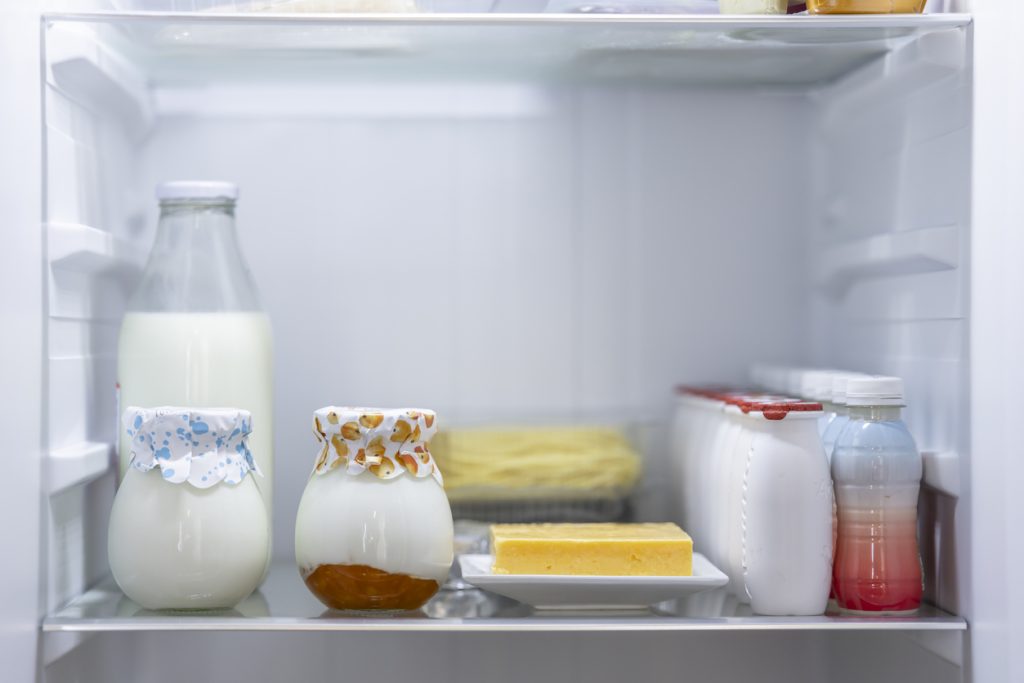
Milk, yoghurt, cheese, butter and other dairy products can lose quality quickly when they are exposed to heat. In Nigeria, where high daytime temperatures and unstable electricity supply are common, businesses need dependable refrigeration from the point of production until the products reach retailers or final customers.
Using suitable dairy cold storage in Nigeria helps producers, distributors, supermarkets, hotels and food-service businesses reduce spoilage and maintain consistent product quality. However, renting a cold room is only one part of the process. The products must also be packed correctly, transported under controlled conditions and handled quickly during loading and unloading.
Dairy Products Can Spoil Before Reaching the Cold Room
Many cold-chain failures happen during movement rather than inside the storage facility. Products may leave a factory in good condition but remain inside an unrefrigerated vehicle while travelling through Lagos traffic or waiting to be received at a warehouse.
For example, a yoghurt delivery moving from Ikeja to Lekki may spend several hours on the road during peak traffic. Without an insulated or refrigerated vehicle, the temperature can rise before the products reach their destination.
Businesses should plan the entire journey, including:
- When the products will leave the production facility
- The type of vehicle required
- Expected traffic and travel time
- How quickly unloading can begin
- Whether backup storage is available at the destination
- Who will confirm the condition of the goods on arrival
Travo.ng can help coordinate cold-chain transport, scheduled deliveries and storage arrangements for dairy products moving within or between Nigerian cities.
Match the Storage Temperature to the Product
Different dairy products have different storage requirements. Fresh milk and yoghurt generally require consistent refrigeration, while frozen dairy products may need lower temperatures.
Keeping products too warm can encourage bacterial growth and shorten shelf life. However, using temperatures that are too low may also affect texture, packaging or product quality.
Before booking dairy cold storage in Nigeria, confirm:
- The recommended temperature range for the product
- Whether the cold room maintains that temperature consistently
- How often the temperature is checked and recorded
- Whether the facility has backup power
- How quickly staff respond when equipment develops a fault
A facility should be able to explain its temperature-control process clearly. Verbal assurances without monitoring records may not be enough for businesses handling large or valuable consignments.
Unstable Electricity Requires a Real Backup Plan
Power supply is one of the biggest concerns when storing dairy products in Nigeria. A cold room that depends only on public electricity may struggle to maintain safe temperatures during outages.
Reliable facilities usually have alternative power arrangements, such as generators, solar systems or another dependable energy source. It is also important to know how long backup power can operate and whether fuel is always available.
Businesses should ask what happens when:
- The main refrigeration system stops working
- A generator develops a fault
- Fuel delivery is delayed
- The cold room becomes overcrowded
- Products need to be moved urgently
A proper contingency plan is especially important for storage facilities in Lagos, Abuja, Port Harcourt and other cities where commercial dairy distribution involves regular high-volume deliveries.
Packaging and Loading Affect Product Quality
Dairy products should not be left outside the cold room while staff prepare paperwork or rearrange storage space. Loading and receiving schedules need to be confirmed before the vehicle arrives.
Packaging must also remain sealed and dry. Damaged yoghurt cups, leaking milk containers or wet cartons can affect nearby stock and create hygiene problems.
Products should be arranged so that cold air can circulate properly. Overloading the room or placing cartons directly against refrigeration outlets may create uneven temperatures.
Businesses should also use stock rotation methods that move older products first. This reduces the risk of products remaining in storage beyond their recommended shelf life.
What to Confirm Before Paying for Cold Storage
Price is important, but the cheapest option may not provide the protection dairy products need. Ask for a complete quotation showing storage charges, loading fees, handling costs and any minimum rental period.
You should also confirm:
- Facility cleanliness and pest-control procedures
- Access hours for pickups and deliveries
- Security and inventory controls
- Available storage capacity
- Rules for damaged or rejected goods
- Whether transport can be coordinated with storage
Where possible, inspect the facility before moving a large consignment.
Arrange Dairy Storage and Transport With Travo.ng
Reliable dairy cold storage in Nigeria depends on consistent refrigeration, careful handling and well-planned transportation. A failure at any stage can reduce shelf life and cause avoidable financial losses.
Travo.ng helps dairy producers, distributors, retailers and food businesses arrange cold-chain transport, cargo movement, scheduled delivery and storage support across Nigeria.
Coordinating these services through one practical process makes it easier to protect dairy products from pickup to final distribution.
