


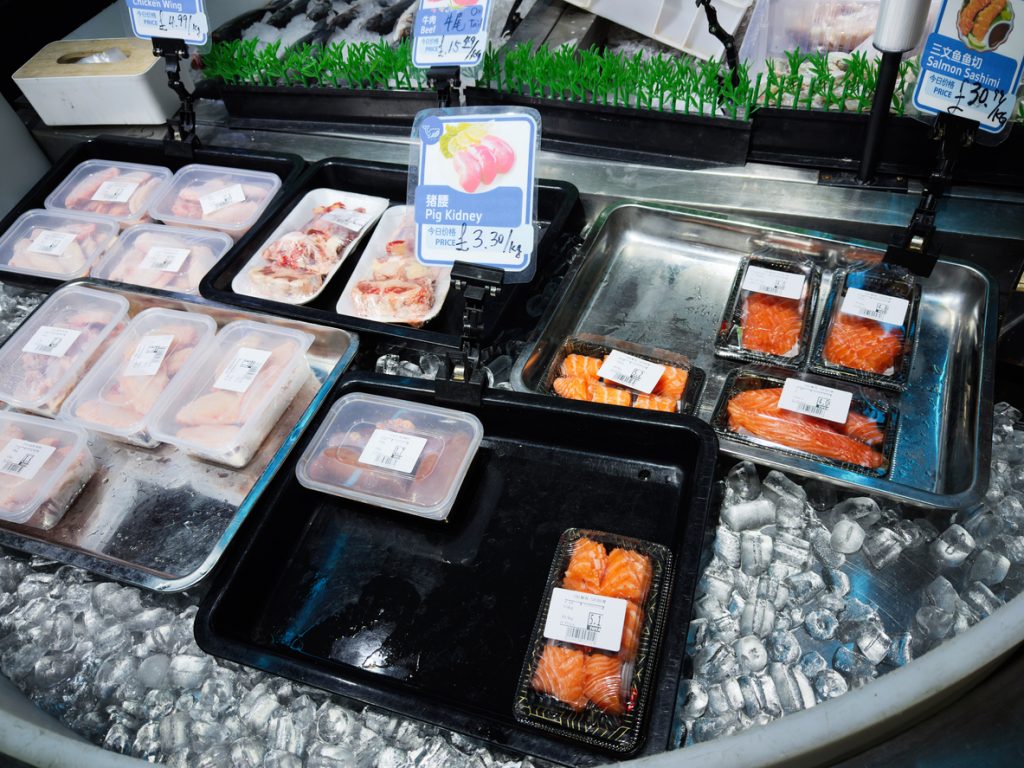
Storing meat safely in Nigeria requires more than placing cartons inside a cold room. Temperature stability, backup power, hygienic handling and dependable refrigerated transport all determine whether the products remain safe for sale.
For butcheries, supermarkets, restaurants, hotels, caterers and frozen food distributors, reliable meat cold storage in Nigeria helps prevent spoilage and protect valuable stock. A few hours of poor temperature control can affect the quality of beef, chicken, goat meat or processed products, especially during hot weather.
Businesses therefore need to assess the entire cold chain, from pickup and transportation to unloading and storage.
What Temperature Control Really Involves
Different meat products may require chilled or frozen conditions. Fresh chilled meat must remain cold without freezing, while frozen meat needs consistently lower temperatures to prevent thawing.
The cold room should have equipment that allows operators to monitor temperature throughout the day. Staff should also know what to do when readings move outside the approved range.
Before booking a facility, ask practical questions such as:
- What temperature range does the cold room maintain?
- Is there a functioning backup generator?
- How often is temperature recorded?
- Are products kept on pallets or directly on the floor?
- How are different customers’ goods separated?
- Is access restricted to authorised staff?
- What happens if the refrigeration system fails?
A facility may look modern but still be unsuitable if power supply and monitoring procedures are unreliable.
Power Failure Is One of the Biggest Risks
Electricity remains a major concern for cold storage operators in Nigeria. A facility that depends only on public power may struggle to maintain the required temperature during prolonged outages.
Reliable operators usually have generators, alternative energy systems or another backup arrangement. However, businesses should confirm how quickly backup power starts and whether enough fuel is kept on site.
This is particularly important when storing large quantities of imported frozen chicken, beef or seafood. If stock begins to thaw and is later refrozen, the packaging may still look normal even though product quality has deteriorated.
When evaluating storage costs, do not automatically choose the cheapest quotation. A lower price may reflect weak power backup, poor maintenance or limited security.
Transport Can Break the Cold Chain Before Arrival
Meat can be damaged before it enters the cold room. Moving frozen products in an open van or regular truck exposes them to heat, especially during long journeys or Lagos traffic.
A shipment travelling from Apapa to a facility in Ikeja may spend several hours on the road during busy periods. Interstate movements from Lagos to Abuja, Ibadan, Benin City or Port Harcourt require even more careful planning.
Refrigerated or insulated vehicles should be prepared before loading. Doors must remain closed as much as possible, and the products should be transferred quickly when the vehicle reaches the destination.
Travo.ng can help coordinate cold-chain transportation, cargo movement and scheduled delivery for businesses handling temperature-sensitive food products.
Hygiene and Stock Arrangement Matter
A good meat storage facility should be clean, organised and easy to inspect. Products should not sit directly on the floor or block cold-air circulation.
Raw meat must also be separated properly from other food items. Damaged cartons, leaking packages and expired products should not remain beside healthy stock.
Businesses should label every consignment with:
- Product type
- Quantity or weight
- Date received
- Expiry or recommended use date
- Owner or customer name
- Planned collection date
Using a first-in, first-out system reduces the risk of older products being forgotten behind newer deliveries.
Planning Costs Before Booking Space
The price of meat cold storage in Nigeria may depend on the quantity, storage period, temperature requirement, location and handling needs. Some facilities charge per pallet, carton, tonne, day or month.
Ask whether the quotation includes loading, unloading, inventory records and after-hours access. Transport, generator surcharges and weekend collection may be billed separately.
Businesses should also calculate possible losses from poor storage. Paying slightly more for dependable temperature control may be cheaper than losing an entire consignment.
Arrange Cold Storage and Transport With Travo.ng
Reliable meat cold storage in Nigeria protects product quality, customer trust and business revenue. The best arrangement combines stable refrigeration, good hygiene, careful stock management and suitable transportation.
Travo.ng helps businesses coordinate cold-chain logistics, refrigerated cargo movement, delivery services and storage support across Nigeria. Whether you are supplying restaurants, distributing frozen food or moving meat between cities, Travo.ng can help arrange a practical solution that keeps products protected from pickup to final delivery.
