


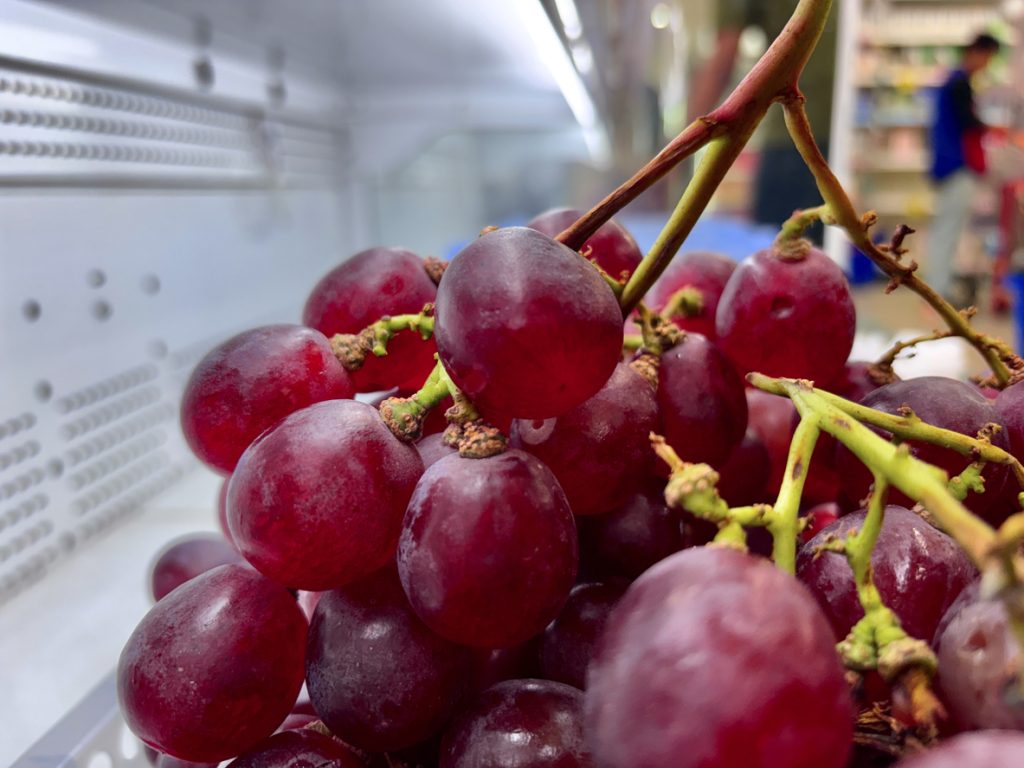
Fresh fruit can lose value quickly after harvesting, especially when it is exposed to heat, rough handling or delays in transportation. Mangoes may soften before reaching the market, pineapples can become bruised during loading, and harvested oranges may deteriorate when they remain in poorly ventilated spaces.
Reliable fruit cold storage in Nigeria helps farmers, wholesalers, supermarkets, juice producers and food exporters preserve freshness while waiting for distribution or processing. However, using a cold room effectively involves more than finding an available refrigerated space. The fruit must be handled, packed and transported correctly from the farm to the facility.
Fruit Starts Deteriorating Before It Reaches the Cold Room
Many losses blamed on storage actually begin during harvesting and transportation. Fruit picked during the hottest part of the day may already contain field heat before it is packed. Overfilling baskets or sacks can also cause crushing, bruising and skin damage.
A trader moving pineapples from Ogun State to Lagos may arrange cold storage at the destination but still lose part of the consignment if the fruit spends hours under direct sunlight before the pickup vehicle arrives.
Good preparation should include:
- Harvesting at the appropriate stage of maturity
- Removing visibly damaged or diseased fruit
- Using clean, ventilated crates
- Avoiding excessive stacking
- Scheduling transport before harvesting begins
- Reducing delays between collection and storage
Cold storage slows deterioration, but it cannot reverse damage that has already occurred.
Different Fruits Require Different Temperatures
One common mistake is storing every type of fruit at the same temperature. Some tropical fruits can develop chilling injuries when kept in conditions that are too cold.
Bananas, mangoes, pawpaw, watermelon, citrus fruit and pineapples do not all respond the same way to refrigeration. The correct temperature also depends on ripeness and how long the produce will remain in storage.
Before booking a facility, ask:
- What temperature range is maintained?
- Can the temperature be adjusted for the fruit?
- Is humidity monitored?
- Is backup power available?
- Are different products stored separately?
- How often is the room cleaned?
- Can the facility provide loading support?
A dependable operator should understand that fresh produce needs controlled conditions rather than basic refrigeration alone.
Cold-Chain Transport Is Just as Important as Storage
Fruit can leave a cold room in good condition and still spoil during delivery. This often happens when produce is transferred into an unrefrigerated vehicle for a long trip.
For example, fruit travelling from Kano to Abuja or from Benue to Lagos may spend several hours on the road. Heat can build up rapidly inside a closed van, particularly during afternoon journeys or traffic delays around city entry points.
Businesses handling large or sensitive consignments should coordinate refrigerated transport where necessary. Loading should also be completed quickly so the cold-room door does not remain open longer than required.
Travo.ng can help arrange cargo transportation, scheduled pickups and delivery coordination alongside suitable storage support. Planning these services together reduces the gaps that commonly break the cold chain.
What Fruit Cold Storage in Nigeria May Cost
Storage charges vary according to the city, quantity, required temperature, storage period and whether the customer needs dedicated or shared space.
A business storing a few crates for several days will usually be quoted differently from a distributor requiring pallet space for several weeks. Additional costs may include loading, sorting, packaging, transport and electricity-related surcharges.
Before accepting a quote, provide accurate information about:
- The type of fruit
- Number of crates or estimated weight
- Pickup and delivery locations
- Required storage duration
- Preferred storage temperature
- Expected date of collection
Clear details make it easier to receive a realistic quotation and avoid unexpected charges.
Mistakes That Increase Post-Harvest Losses
Do not wait until fruit has arrived before searching for storage. Cold-room spaces may be limited during peak mango, citrus or pineapple seasons.
Another mistake is mixing damaged fruit with healthy produce. One leaking or mouldy item can affect surrounding stock. Businesses should inspect consignments before storage and maintain records showing arrival dates, quantities and condition.
Stock rotation is equally important. Produce that entered first should usually leave first unless its condition requires urgent sale or processing.
Arrange Storage and Produce Transport Through Travo.ng
Reliable fruit cold storage in Nigeria allows agricultural businesses to reduce spoilage, maintain product quality and plan deliveries around customer demand.
Travo.ng supports farmers, produce traders, retailers and food-processing businesses with cold-storage coordination, cargo movement and scheduled delivery services across Nigeria.
By arranging storage and transportation before harvest or purchase, businesses can protect more of their stock and deliver fresher fruit to markets, supermarkets, hotels and processing facilities.
