


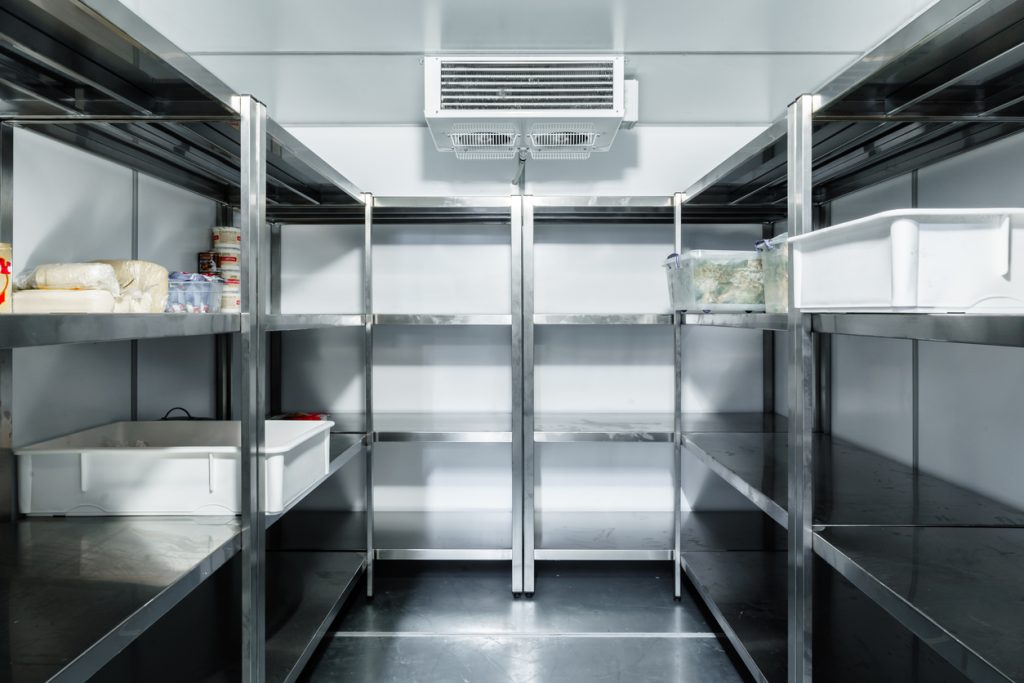
Fresh produce can lose quality quickly after harvesting, especially in Nigeria’s hot climate. Tomatoes may soften before reaching the market, vegetables can wilt during transport, and fish or dairy products may become unsafe when left without proper cooling.
Using post harvest refrigeration Nigeria services helps farmers, food distributors and processors reduce these losses. The aim is not simply to make products cold. It is to remove field heat, maintain the right temperature and prevent unnecessary delays between harvesting, storage and delivery.
A reliable cold-chain plan can extend shelf life, protect product value and give businesses more time to sell or process their goods.
Cooling Should Start Soon After Harvesting
One of the biggest mistakes producers make is waiting too long before cooling harvested goods. Produce may spend several hours under the sun while workers sort, pack or wait for a vehicle.
By the time the goods enter a cold room, deterioration may already have started.
Leafy vegetables, peppers, tomatoes, fruits and other perishable crops should be moved away from direct sunlight immediately. Where possible, sorting and packing should take place in a shaded, ventilated area before refrigerated storage or transportation begins.
The faster field heat is removed, the better the produce is likely to hold its colour, texture and market value.
Not Every Product Needs the Same Temperature
Cold storage must match the product being handled. Setting every cold room to the lowest possible temperature can damage some crops rather than preserve them.
Fresh tomatoes, for example, require different conditions from frozen fish. Some tropical fruits may suffer chilling injury when stored at temperatures that are too low, while meat and dairy products need stricter temperature control.
Before booking refrigeration, confirm:
- The type and quantity of produce
- The temperature range required
- The expected storage duration
- Whether the goods are fresh, chilled or frozen
- How frequently the cold room will be opened
- Whether backup power is available
- How the goods will be transported afterwards
A dependable provider should ask these questions before recommending a facility.
The Cold Chain Can Break During Transportation
A cold room alone will not protect goods if they are moved in an unsuitable vehicle.
Consider fresh vegetables travelling from farms around Jos to retailers in Abuja. The produce may leave the farm in good condition, but several hours in a hot, poorly ventilated vehicle can reduce its shelf life before it reaches the destination.
Temperature-sensitive goods may require insulated vans, refrigerated trucks or carefully timed overnight transport. Loading should also be organised quickly so that products do not remain outside the cold room for long periods.
Travo.ng can help coordinate cold-chain transport, cargo movement and delivery scheduling for businesses moving agricultural and food products across Nigeria.
What Post Harvest Refrigeration May Cost
The cost of refrigeration depends on several operational factors rather than one fixed rate.
Providers usually consider the volume or weight of the goods, required temperature, storage duration, location and whether loading or transportation is included. Businesses may be charged per crate, pallet, tonne, square metre or storage period.
Additional costs can arise from:
- Generator or backup-power use
- Packaging and palletisation
- Loading and offloading
- Refrigerated vehicle hire
- Weekend or urgent access
- Long-distance delivery
Before accepting a quote, request a breakdown of what is included. A low storage rate may not cover handling, electricity surcharges or transport to the final market.
How to Avoid Losses Inside a Cold Room
Poorly packed or damaged produce can still spoil inside refrigerated storage. Crates should allow airflow, and goods should not be stacked so tightly that cold air cannot circulate.
Businesses should also avoid mixing healthy produce with crushed, leaking or mouldy items. One damaged batch can affect nearby stock.
Keep written records of the quantity, condition and arrival date of every consignment. Products that entered first should generally be dispatched first, unless their condition requires more urgent movement.
Regular temperature checks are also important. Where valuable goods are involved, request monitoring records instead of relying only on the display outside the cold room.
Arrange Refrigerated Storage and Transport With Travo.ng
Effective post harvest refrigeration Nigeria services bring storage, handling and transportation together. When one part of the process fails, the entire consignment may lose value.
Travo.ng supports farmers, wholesalers, food processors and retailers with practical cargo logistics, cold-chain transportation, delivery coordination and storage arrangements across Nigeria.
Planning these services before harvesting helps reduce waiting time, preserve product quality and move fresh goods from farms to markets, warehouses or processing facilities more efficiently.
