


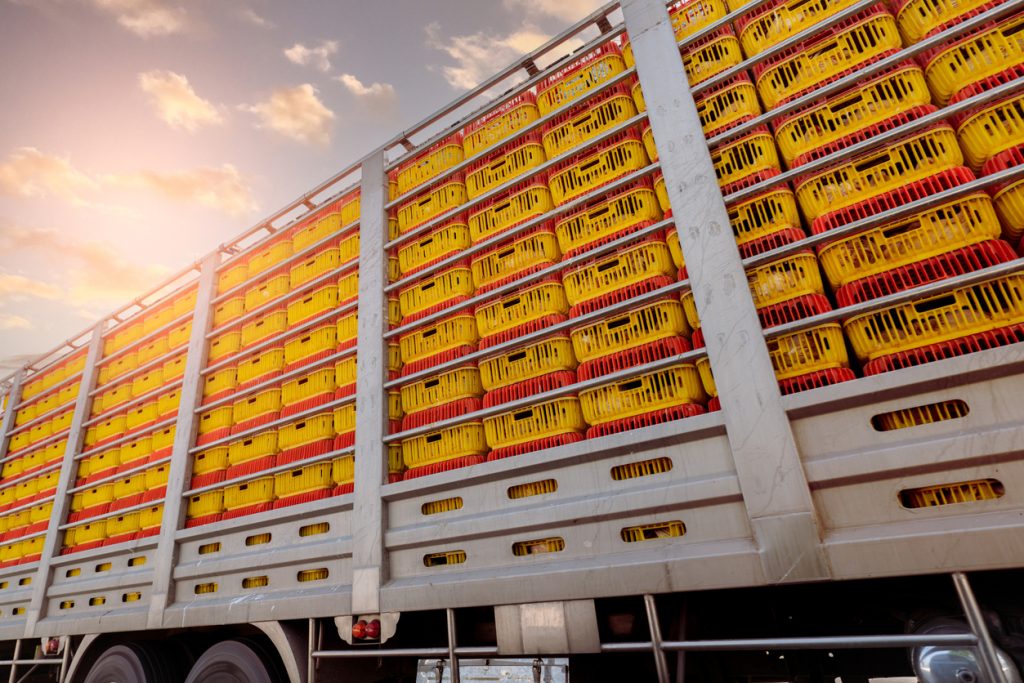
Harvesting tomatoes, peppers, vegetables, fruits, fish or poultry is only one part of running a profitable agricultural business. The bigger challenge often begins after production, when farmers must keep their goods fresh until buyers, processors or distributors are ready to collect them.
A reliable farm cold room in Nigeria helps reduce spoilage by keeping temperature-sensitive products under controlled conditions. This is especially important in areas where electricity supply is unstable, transportation is delayed or produce must travel long distances before reaching the final market.
For farmers, aggregators, food distributors and agricultural cooperatives, cold storage can protect the value of each harvest and create more time to negotiate better prices instead of selling quickly at a loss.
What Happens When Fresh Produce Is Not Cooled Quickly
Many agricultural products begin losing quality shortly after harvest. Tomatoes soften, leafy vegetables wilt, fish develops an unpleasant smell and poultry becomes unsafe when it remains exposed to heat for too long.
The risk is higher during the hot season or when produce is waiting for transport at a farm in Ogun, Oyo, Kano, Plateau or Benue State.
A vehicle may arrive late, market demand may suddenly fall or a buyer may postpone collection until the following day. Without suitable storage, the farmer carries the financial loss.
Cold rooms help slow deterioration and keep goods in better condition while farmers arrange transportation, complete bulk orders or wait for market prices to improve.
Choosing the Right Farm Cold Room in Nigeria
Cold storage requirements depend on the type of product being preserved. Fresh vegetables do not always require the same temperature as frozen fish, poultry or dairy products.
Before renting a facility, provide clear information about:
- The type of produce or food product
- The total weight or number of crates
- Whether the goods are fresh, chilled or frozen
- The expected storage period
- The farm or collection location
- The final delivery destination
- How frequently goods will enter and leave the facility
This information helps the operator recommend the correct storage conditions and available space.
Farmers should also check whether the facility has reliable backup power, temperature monitoring, good hygiene practices, proper ventilation and security. A cheap cold room becomes expensive when poor temperature control damages an entire shipment.
Cold Storage Works Best With Proper Transportation
Moving produce from a farm to a cold room requires careful planning. Goods can still spoil if they spend several hours inside an unsuitable vehicle before reaching the storage facility.
For example, tomatoes harvested around Iseyin and transported to a cold room in Ibadan should be loaded early, protected from direct sunlight and moved without unnecessary stops.
Frozen foods may require an insulated or refrigerated vehicle, particularly when travelling between cities such as Lagos, Abeokuta, Ibadan, Abuja or Port Harcourt.
Businesses should coordinate collection times with the facility before dispatching a vehicle. This prevents drivers from arriving when the cold room is full, closed or unprepared to receive the goods.
Travo.ng can help farmers and food businesses arrange suitable transport, cargo movement and delivery coordination alongside cold storage planning.
How Much Cold Room Space Should You Rent
Renting more space than necessary increases costs, while renting too little may lead to poor stacking and restricted airflow.
Cold rooms may charge according to pallet space, crates, weight, cubic capacity or storage duration. Daily, weekly and monthly arrangements may be available depending on the facility.
Before accepting a quote, ask whether the price includes:
- Loading and unloading
- Pallet or crate handling
- Temperature monitoring
- Generator or power costs
- Inventory records
- After-hours access
- Delivery or collection support
Agricultural businesses with regular harvest volumes may obtain better value from a recurring storage arrangement instead of booking separate space every few days.
Mistakes That Increase Post-Harvest Losses
One common mistake is waiting until harvest day before searching for cold storage. During peak tomato, fruit or festive poultry seasons, suitable facilities can fill quickly.
Another mistake is placing damaged, dirty or already spoiled produce inside the cold room. Cooling does not restore poor-quality goods. Products should be sorted, cleaned where appropriate and packaged correctly before storage.
Farmers should also avoid mixing products with incompatible temperature or hygiene requirements. Fresh vegetables, raw fish and frozen poultry should not be stored carelessly in the same area.
Clear labelling is equally important. Every crate or package should show the owner, product type, storage date and intended collection date.
Arrange Farm Cold Storage and Logistics With Travo.ng
A dependable farm cold room in Nigeria gives farmers more control over product quality, delivery timing and market decisions. It can reduce avoidable waste while helping agricultural businesses supply retailers, restaurants, processors and wholesalers more consistently.
Travo.ng supports farm owners, cooperatives and food distributors with practical cold storage coordination, cargo transport and delivery services across Nigeria.
By planning storage before harvest and arranging reliable transportation, farmers can protect their produce from the field to the buyer while reducing losses caused by heat, delays and poor handling.
