


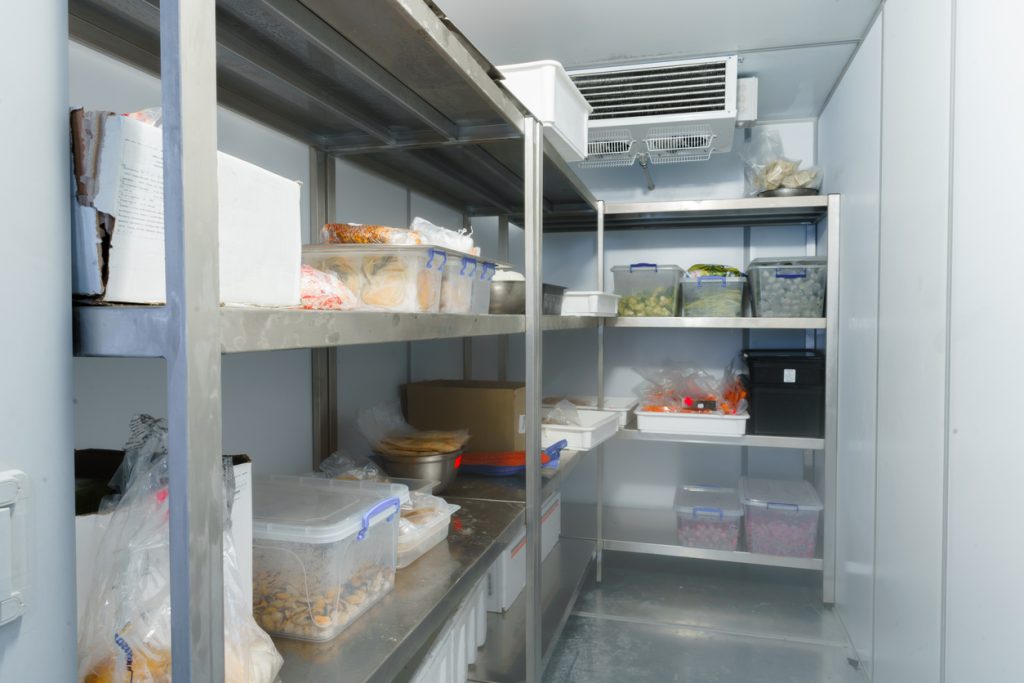
Moving temperature-sensitive products across Nigeria requires more than placing them inside a refrigerated vehicle. The goods must remain within the correct temperature range from the point of collection to storage, transportation and final delivery.
Effective cold chain management in Nigeria helps food suppliers, pharmaceutical companies, supermarkets, restaurants and agricultural businesses prevent spoilage and maintain product quality. It also reduces the risk of customers rejecting damaged goods after delivery.
Nigeria’s heat, traffic delays, inconsistent electricity supply and long interstate routes make cold chain operations especially demanding. A frozen food consignment may leave a warehouse in Lagos in good condition but arrive in Abuja partially thawed if the vehicle refrigeration system fails or the doors are opened repeatedly during transit.
Proper planning is therefore essential at every stage.
Where Temperature-Controlled Deliveries Commonly Go Wrong
Many cold chain problems begin before the vehicle leaves the pickup location.
Products may be loaded while still above the required temperature. Some businesses also place chilled and frozen goods in the same compartment without separating them properly. Even when a refrigerated truck is available, poor loading practices can block airflow and create warmer areas inside the vehicle.
Other common problems include:
- Delayed loading while the vehicle doors remain open
- Refrigeration units that are not tested before dispatch
- Incorrect temperature settings
- Frequent stops during delivery
- Poor packaging or damaged cartons
- No backup plan for breakdowns
- Failure to record temperatures during transit
A vehicle’s cooling system is designed to maintain product temperature. It may not be able to quickly freeze products that were loaded warm. Goods should therefore reach the correct temperature before loading begins.
Planning Cold Chain Transport on Nigerian Routes
Route planning is critical when moving perishable goods between Nigerian cities.
A refrigerated delivery from Lagos to Ibadan is relatively short, but traffic around Berger, Kara and major market areas can still extend the journey. Longer routes such as Lagos to Abuja, Port Harcourt to Enugu or Kano to Kaduna require more detailed planning.
Before dispatch, the operations team should confirm:
- The expected travel time
- The vehicle’s fuel level
- The condition of the refrigeration unit
- Safe stopping points along the route
- The recipient’s readiness to receive the goods
- Backup support if the vehicle breaks down
It is also important to avoid dispatching sensitive cargo when the receiving warehouse, shop or cold room is not ready. A refrigerated vehicle should not spend hours waiting outside a customer’s premises because there is no space to unload.
Different Products Need Different Temperature Conditions
Cold chain logistics is not the same for every product.
Frozen foods such as poultry, fish and ice cream require lower temperatures than fresh vegetables, dairy products or certain medicines. Some healthcare products must stay within a narrow temperature range and may become unusable if they become too cold or too warm.
Businesses should provide clear handling instructions before booking transport. The logistics provider needs to know:
- The type of product
- Required temperature range
- Quantity and packaging
- Pickup and delivery locations
- Expected delivery time
- Whether temperature records are required
These details help determine whether the shipment needs a refrigerated van, freezer truck, insulated container or cold room storage.
What to Check Before Booking a Cold Chain Provider
Do not choose a provider based only on the lowest transport quote. A cheaper vehicle can become expensive if an entire load of food or medicine is damaged.
Ask whether the provider can maintain the required temperature throughout the journey. Confirm that the vehicle is clean, suitable for the product and large enough to allow proper air circulation.
For high-value cargo, request temperature monitoring and proof of delivery. Businesses making several deliveries should also confirm whether the vehicle will make multiple stops, as repeated door opening can affect internal conditions.
The pickup and delivery teams must communicate clearly. Phone numbers, contact names, unloading instructions and access restrictions should be confirmed before dispatch.
Arrange Reliable Cold Chain Support With Travo.ng
Reliable cold chain management in Nigeria depends on coordinated storage, transport and delivery. Every part of the process must work together to protect the shipment.
Travo.ng helps businesses arrange cold storage, refrigerated transportation, cargo logistics and delivery coordination for temperature-sensitive goods. Support can be planned for local distribution, interstate movement and scheduled business deliveries.
Whether you are moving frozen food from Lagos, supplying supermarkets in Abuja or distributing sensitive products to customers in different states, Travo.ng can help organise the right logistics solution.
Careful temperature control, realistic route planning and proper communication reduce avoidable losses and help goods arrive in the condition customers expect.
