


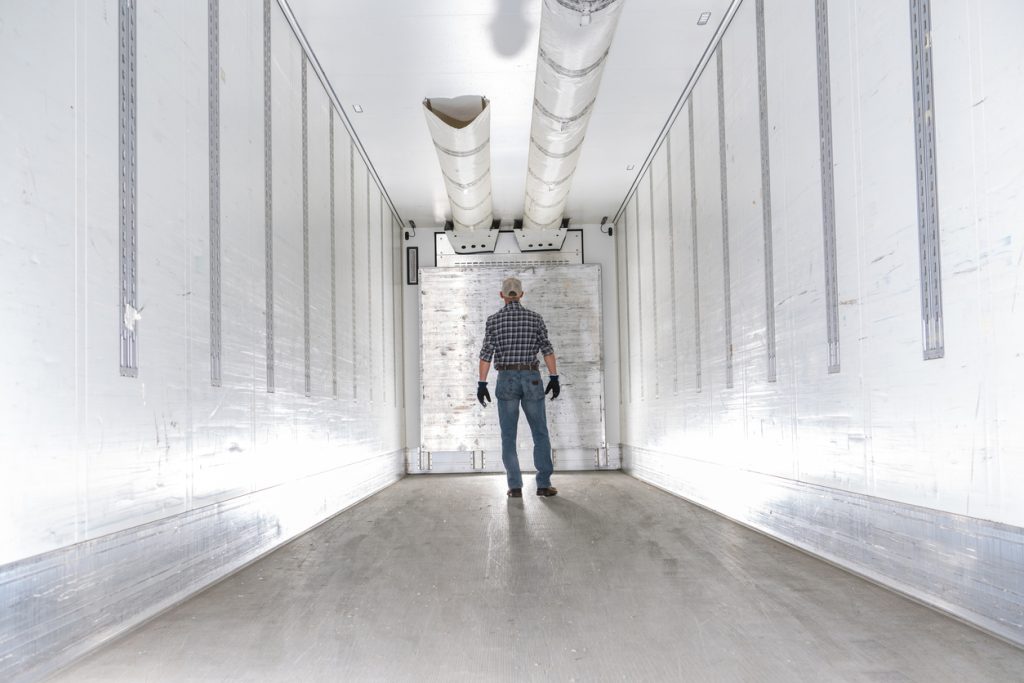
Moving frozen food, fresh produce, dairy products or temperature-sensitive medicine across Nigeria requires more than loading the goods into an ordinary van. Once the correct temperature is lost, products can spoil before they reach the customer, supermarket, restaurant or distribution centre.
Reliable refrigerated logistics in Nigeria helps businesses move sensitive cargo under controlled conditions from pickup to delivery. This includes using suitable refrigerated vehicles, preparing products correctly, monitoring transit time and coordinating deliveries to reduce unnecessary exposure to heat.
For food suppliers, pharmaceutical distributors, supermarkets and hospitality businesses, proper cold-chain planning protects both product quality and customer trust.
What Requires Temperature-Controlled Transport
Not every product needs the same storage or transport conditions. Frozen chicken, ice cream and seafood must remain at much lower temperatures than fresh vegetables, yoghurt or certain medicines.
Refrigerated transport is commonly used for:
- Frozen foods and seafood
- Fresh fruit and vegetables
- Dairy products
- Meat and poultry
- Vaccines and medical supplies
- Cakes, desserts and chocolates
- Flowers and other delicate products
Before booking a vehicle, the logistics provider should know the type of cargo, required temperature range, total weight, packaging method and delivery location.
A company moving frozen goods from Apapa to a supermarket in Abuja will need a different arrangement from a bakery delivering chilled desserts from Ikeja to hotels in Victoria Island.
How Nigerian Heat Affects Cold Deliveries
Nigeria’s climate creates serious challenges for temperature-sensitive cargo. A refrigerated vehicle may be working correctly, but repeated door opening, poor packaging or long waiting times can still affect product quality.
Lagos traffic is a common example. A delivery scheduled from Mile 12 to Lekki may spend hours around Ojota, Maryland or the Third Mainland Bridge during peak periods. If the cooling unit is unreliable or the vehicle is overloaded, the internal temperature may rise before delivery.
Interstate routes require even more planning. A refrigerated truck travelling from Lagos to Abuja may take 10 to 14 hours depending on traffic, road conditions, stops and vehicle issues. The journey should be planned with enough fuel, reliable refrigeration and clearly arranged receiving times.
Packaging Still Matters Inside a Refrigerated Vehicle
One common mistake is assuming that a refrigerated truck will automatically protect poorly prepared goods. The cooling system maintains temperature, but it may not quickly cool products that were already warm before loading.
Goods should be chilled or frozen to the required level before dispatch. Packaging should also protect them from moisture, contamination and physical damage.
Businesses should consider:
- Insulated cartons for smaller consignments
- Sealed containers for meat and seafood
- Proper pallet arrangement for air circulation
- Temperature indicators for sensitive cargo
- Clear labels showing handling instructions
- Backup ice packs where appropriate
Products should not be packed so tightly that cold air cannot move around the load. At the same time, excessive empty space may make it harder to maintain a stable temperature.
What Affects Refrigerated Logistics Costs in Nigeria
The cost of refrigerated delivery depends on more than distance. Vehicle size, temperature requirement, delivery urgency and waiting time all influence the final price.
A short delivery within Lagos may still cost more than ordinary van transport because the vehicle uses additional fuel to power its refrigeration unit. Interstate transport will usually involve higher charges for diesel, driver allowances, tolls and possible overnight movement.
Other factors include:
- Number of pickup and delivery locations
- Total cargo volume and weight
- Frozen or chilled temperature requirements
- Loading and unloading time
- Weekend or late-night delivery
- Need for dedicated rather than shared transport
Businesses should provide complete shipment details before requesting a quote. This reduces the risk of receiving a vehicle that is too small or unsuitable for the required temperature.
Mistakes That Lead to Spoiled Cargo
Many cold deliveries fail because the operational details were not confirmed before dispatch.
Common mistakes include loading warm products, booking an ordinary air-conditioned van, leaving doors open during unloading and sending vehicles before the receiver is ready.
The receiving location should have staff available and sufficient cold storage space. A refrigerated truck should not remain parked for an hour while a warehouse team searches for space in its freezer.
It is also important to confirm that the vehicle has enough fuel to run the cooling unit throughout the trip. A working engine does not always mean the refrigeration equipment is operating correctly.
Arrange Cold-Chain Transport With Travo.ng
Businesses looking for dependable refrigerated logistics in Nigeria need a service that understands timing, temperature control, vehicle suitability and local road conditions.
Travo.ng helps coordinate refrigerated transport, cargo movement, delivery services and business logistics support across Nigeria. Whether the shipment involves frozen food within Lagos or temperature-sensitive goods moving between states, the transport arrangement can be matched to the cargo and delivery schedule.
Careful planning before pickup helps reduce spoilage, rejected deliveries and unnecessary financial loss. With the right refrigerated vehicle and proper coordination, sensitive goods can arrive in safe, usable condition.
