


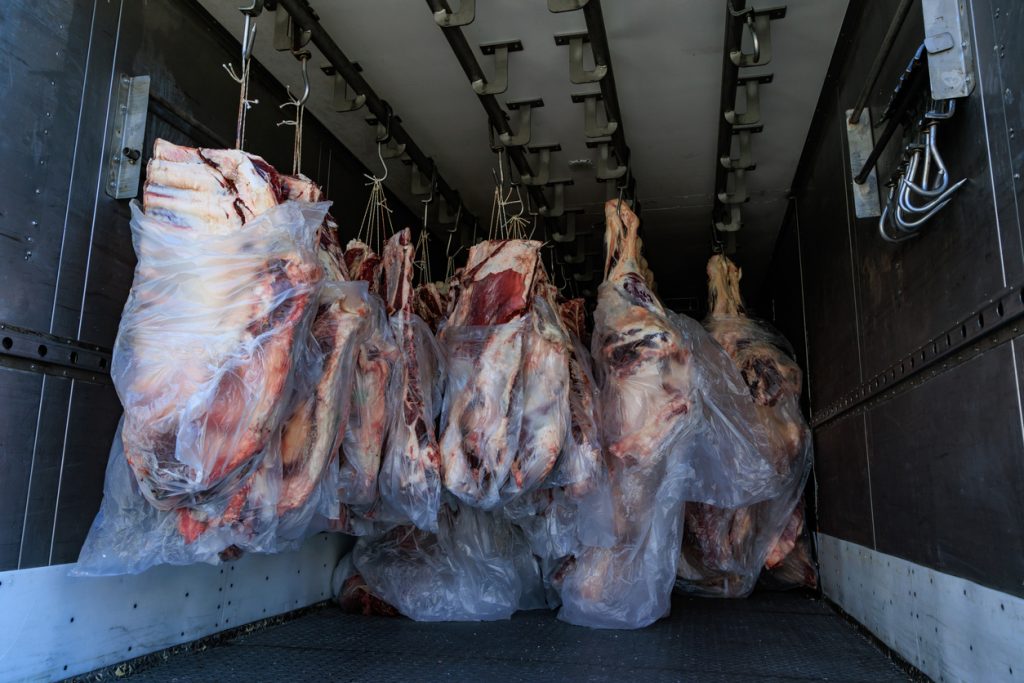
Businesses that handle frozen food, fresh produce, pharmaceuticals and other temperature-sensitive goods cannot rely on ordinary storage. Once products are exposed to heat for too long, quality drops quickly, stock may become unsafe, and the business can lose money before the goods reach customers.
A walk in cold room Nigeria solution gives businesses controlled storage space for products that must remain chilled or frozen. Unlike domestic freezers, a cold room can hold larger quantities of stock while maintaining a stable temperature across the storage area.
For supermarkets, restaurants, hotels, food distributors, farms and medical suppliers, the right cold room setup can reduce spoilage and make daily operations easier.
What You Need to Store Determines the Cold Room Setup
Not every product requires the same temperature. A business storing frozen chicken has different requirements from one keeping vegetables, dairy products or pharmaceutical supplies.
Chiller rooms are commonly used for products that need to remain cool without freezing. These may include:
- Fresh fruits and vegetables
- Dairy products
- Drinks and beverages
- Some medicines
- Prepared food awaiting distribution
Freezer rooms operate at lower temperatures and are more suitable for frozen meat, fish, poultry, ice cream and other products that must remain completely frozen.
Before choosing a cold room, businesses should confirm the recommended temperature range for their products. Using the wrong setting can damage stock even when the cooling system appears to be working properly.
Nigerian Power Supply Must Be Part of the Plan
Reliable electricity is one of the biggest concerns when operating cold storage in Nigeria. A cold room may work perfectly during normal power supply but quickly become unreliable when outages last for several hours.
Businesses usually need a backup arrangement such as a generator, inverter system or solar-supported power setup. The most suitable option depends on the cold room size, compressor capacity, operating hours and the value of the goods being stored.
Fuel consumption should also be considered. A large generator running continuously can significantly increase operating costs, especially for businesses in Lagos, Abuja, Port Harcourt and other cities where power supply varies by area.
Temperature alarms and remote monitoring systems can help staff respond quickly when the room becomes too warm or the compressor stops working.
Where the Cold Room Is Located Affects Daily Operations
A cold room should be positioned where goods can be received, stored and dispatched without unnecessary handling.
For example, a frozen food distributor in Lagos may need easy access for delivery vans arriving from Apapa, Mile 2 or the ports. A hotel or restaurant may prefer a cold room close to the kitchen but away from areas where heat, smoke or poor ventilation could affect the equipment.
The site should have:
- Adequate ventilation around the cooling unit
- Proper drainage
- A strong and level floor
- Space for loading and unloading
- Reliable access for maintenance technicians
- Enough room for goods to be arranged safely
Poor placement can increase loading time, block access routes and put extra pressure on the cooling system.
What It Costs to Operate a Cold Room in Nigeria
Cold room costs vary widely, so businesses should avoid choosing equipment based only on the lowest quotation.
The final cost may depend on the room dimensions, insulation thickness, compressor type, temperature range, shelving, electrical work and backup power requirements. Imported equipment, exchange rates and transportation to the installation location can also affect pricing.
Ongoing expenses may include electricity, diesel, cleaning, routine servicing, refrigerant replacement and emergency repairs.
Before making a decision, request a breakdown covering installation, warranty, maintenance support and expected energy consumption. This makes it easier to compare options realistically.
Mistakes That Cause Stock Loss
Overloading is a common problem. When cartons are packed too tightly against the walls or cooling unit, cold air cannot circulate properly.
Other mistakes include leaving the door open during loading, storing warm products without proper preparation, ignoring unusual compressor sounds and failing to record temperatures.
Staff should check the cold room regularly and keep simple records of:
- Morning and evening temperatures
- Power interruptions
- Generator running hours
- Products received and dispatched
- Cleaning and maintenance dates
These records can help identify problems before they lead to major stock losses.
Arrange Cold Storage and Logistics Support With Travo.ng
A reliable walk in cold room Nigeria solution must be supported by proper handling, transportation and delivery planning. Temperature-controlled goods can still spoil if they are left outside during loading or transported in unsuitable vehicles.
Travo.ng helps businesses coordinate cold storage, refrigerated transportation, cargo movement, delivery services and other practical logistics needs across Nigeria.
Whether you are moving frozen food within Lagos, delivering medical supplies to Abuja or distributing perishables to retailers, Travo.ng can help arrange the transport and logistics support needed to protect your goods from storage to final delivery.
