


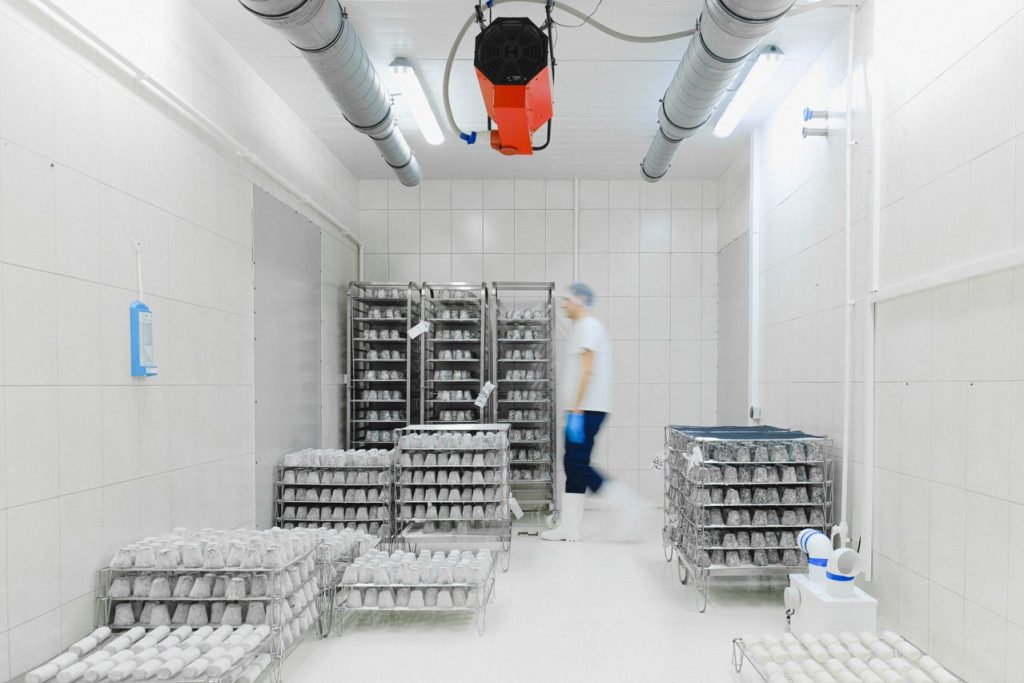
Keeping food, drinks, medicine and other temperature-sensitive products fresh can be difficult in Nigeria, especially when power supply is unreliable or storage demand changes unexpectedly. A restaurant may receive more frozen stock than its freezers can hold, while an event planner may need temporary space for drinks and catering supplies.
This is where cold room rental in Nigeria becomes a practical option. Instead of spending heavily on building and maintaining a permanent facility, businesses can rent temperature-controlled storage for a specific period, product quantity or operational need.
Travo.ng helps businesses coordinate suitable storage and logistics support for products that must remain within controlled temperatures.
When Renting a Cold Room Makes More Sense
Buying and installing a cold room requires significant capital. Beyond the equipment itself, the business must consider generators, fuel, maintenance, temperature monitoring and trained personnel.
Rental is often more suitable when the storage requirement is temporary or seasonal. Common situations include:
- Restaurants storing bulk meat, fish or poultry
- Supermarkets managing additional festive-season stock
- Caterers preparing for weddings and corporate events
- Farms preserving harvested produce before distribution
- Drink suppliers handling large event orders
- Food importers waiting for onward delivery
- Pharmaceutical distributors storing temperature-sensitive products
For example, a catering company preparing for several events in Lagos may need additional chilled storage for only ten days. Renting space can be more economical than purchasing equipment that may remain unused afterwards.
The Temperature Must Match the Product
Not every cold room provides the same storage conditions. Chilled products and frozen products require different temperature ranges.
Fresh vegetables, dairy products and some beverages are commonly stored under chilled conditions. Frozen meat, fish, poultry and ice cream require much lower temperatures.
Before confirming a rental, provide clear details about the products involved. The storage operator should know:
- The type of goods
- Required temperature range
- Quantity or pallet volume
- Expected storage period
- Delivery and collection dates
- Whether frequent access will be required
Mixing products with different temperature requirements can cause spoilage. It can also create hygiene problems, especially when raw meat is stored near ready-to-eat food.
What Cold Room Rental in Nigeria May Cost
The cost of renting cold storage depends on location, space required, temperature level and rental duration. A business renting a small section of a shared facility will usually pay less than one requiring an entire private cold room.
Pricing may be calculated per day, week, month, pallet, crate or square metre. Frozen storage can also cost more because maintaining lower temperatures requires greater power consumption.
Additional charges may apply for:
- Loading and offloading
- Product handling
- Backup power
- Inventory management
- After-hours access
- Refrigerated transportation
- Cleaning and sanitation
Businesses should request a complete quotation rather than comparing only the basic rental rate. A low price may not include handling, security or power-related costs.
Power Backup Cannot Be Ignored
Reliable electricity is one of the most important considerations when choosing cold storage in Nigeria. A facility should have dependable backup systems that can maintain the required temperature during public power outages.
Ask how the facility handles generator changeovers, equipment failure and extended fuel shortages. It is also important to confirm whether temperatures are monitored continuously.
A good operator should keep temperature records and respond quickly when readings move outside the approved range. This is especially important for pharmaceutical products, frozen foods and high-value imported goods.
Plan Transportation Before Booking Storage
Cold storage does not protect goods if they are exposed to heat for several hours during transportation. The movement from the supplier to the cold room must be planned carefully.
Products should be packed properly and loaded without unnecessary delay. For longer journeys, refrigerated vehicles or insulated containers may be required.
A seafood supplier moving frozen fish from Apapa to a facility in Ikeja must consider traffic around Oshodi and Airport Road. Leaving at the wrong time could add hours to the trip and affect product quality.
Travo.ng can assist with cargo logistics, vehicle coordination and delivery planning where temperature-sensitive goods need to be moved to or from storage facilities.
Questions to Ask Before Making Payment
Before booking a cold room, inspect the facility where possible and confirm the rental terms in writing.
Ask the operator:
- What temperature range can the room maintain?
- Is backup power available at all times?
- How often is the temperature recorded?
- Who is responsible if products are damaged?
- Is the facility cleaned and treated regularly?
- Can stock be accessed outside normal working hours?
- Are security and inventory records provided?
- Is refrigerated transport available?
These questions help prevent disagreements and reduce the risk of product loss.
Arrange Practical Cold Storage Support With Travo.ng
Reliable cold room rental in Nigeria can help businesses protect perishable goods without committing to the cost of building a permanent facility. The right arrangement should provide suitable temperatures, stable backup power, secure handling and convenient access.
Travo.ng supports businesses with cold storage coordination, cargo movement, delivery services and transport planning across Nigeria. Whether the need is for short-term food storage, event supplies or regular commercial inventory, the storage and transportation process can be arranged around the product’s specific requirements.
Booking early is especially important during festive periods and peak agricultural seasons, when suitable cold storage space can fill up quickly.
