


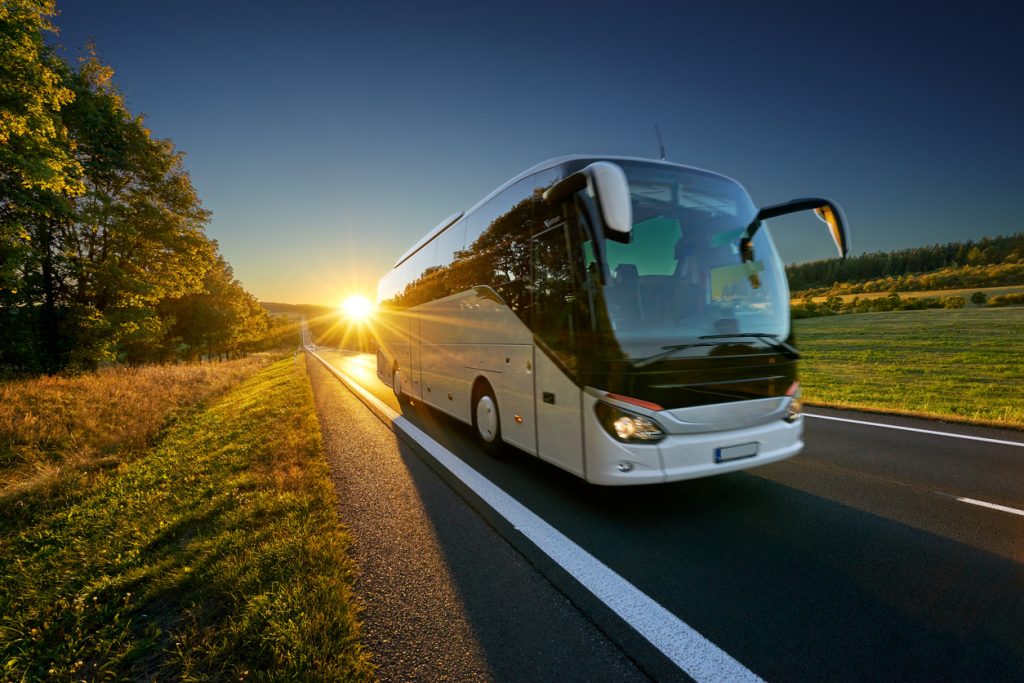
Finding dependable daily commuter transport Nigeria services can be difficult, especially in cities where traffic, fuel costs, vehicle breakdowns, and unpredictable pickup times affect everyday movement.
For many workers, students, business owners, and company staff, commuting is not just about finding any available vehicle. It is about getting a transport arrangement that follows a clear schedule, uses a suitable vehicle, and reduces the stress of searching for a ride every morning and evening.
Travo.ng helps individuals and organisations coordinate practical daily transport services across Nigerian cities.
What Daily Commuters Usually Struggle With
The average commuter in Lagos, Abuja, Port Harcourt, or Ibadan may spend several hours moving between home and work.
A journey from Ikorodu to Victoria Island, for example, can become extremely stressful when a passenger has to change vehicles several times. Similar challenges affect people travelling from Kubwa to central Abuja or from Eleme to Port Harcourt city centre.
Common problems include:
- Unpredictable bus departure times
- Sudden increases in transport fares
- Long queues at major bus stops
- Overcrowded vehicles
- Drivers cancelling scheduled trips
- Limited transport options during heavy rain
- Difficulty finding safe rides after office hours
A properly planned commuter service can remove many of these daily uncertainties.
How Scheduled Commuter Transport Works
Scheduled commuter transport usually operates with agreed pickup points, departure times, routes, and drop-off locations.
Passengers may be picked up from residential estates, major junctions, office clusters, or designated bus stops. The vehicle then follows a planned route to reduce unnecessary diversions and delays.
For example, a company may arrange a staff bus that leaves Ajah at 6:30 a.m., picks up employees around Chevron and Lekki Phase 1, and arrives at an office in Victoria Island before 8:00 a.m.
The return trip may leave the office at 5:30 p.m. and follow the same general route.
This system works better than asking each employee to arrange separate transport every day.
Choosing the Right Vehicle for the Route
The number of commuters and the condition of the route determine the most suitable vehicle.
A small team of six to ten people may use a comfortable minivan. Larger groups may require a coaster bus or another high-capacity vehicle.
Before booking, consider:
- Number of daily passengers
- Pickup and drop-off locations
- Amount of luggage or work equipment
- Road conditions along the route
- Morning and evening traffic patterns
- Whether weekend transport is required
- Whether the service is one-way or return
Using a vehicle that is too small can create discomfort, while booking an unnecessarily large bus can increase the cost.
What Daily Commuter Transport Costs in Nigeria
The cost of daily commuter transport Nigeria services depends on the distance, vehicle size, fuel requirements, number of trips, and length of the booking arrangement.
A short staff shuttle within Ikeja will usually cost less than a daily route from Mowe or Arepo to Lagos Island. Routes involving toll gates, long waiting periods, or several pickup points may also cost more.
Businesses often reduce the cost per passenger by booking one vehicle for a group instead of reimbursing employees individually.
Monthly transport contracts may also provide more predictable pricing than arranging a new vehicle every day.
Planning Around Nigerian Traffic
Traffic conditions can change the performance of any commuter service.
In Lagos, routes around the Lekki-Epe Expressway, Third Mainland Bridge, Apapa, Oshodi, and Ikorodu Road require careful departure planning. During the rainy season, flooding can also affect some access roads and pickup points.
Departure times should be based on realistic traffic conditions, not only the distance shown on a map.
Drivers should also have alternative routes where possible. However, constant route changes should be avoided if they make passengers uncertain about pickup and arrival times.
Daily Transport for Companies and Organisations
Many companies arrange commuter transport to improve punctuality and reduce the stress employees face when travelling to work.
A reliable staff transport plan can support:
- Office workers
- Factory employees
- Hotel staff
- Hospital teams
- School staff
- Retail workers
- Construction personnel
- Event and project teams
Transport can be arranged for permanent staff, temporary workers, shift employees, or teams working at multiple locations.
Businesses can also combine commuter transport with airport pickups, vehicle hire, relocation support, hotel reservations, and other travel coordination services when needed.
Mistakes to Avoid When Booking Commuter Transport
One common mistake is giving the transport provider incomplete route information.
Every pickup point should be confirmed before the service begins. Adding several new stops after the price has been agreed can affect timing, fuel use, and the overall cost.
It is also important to confirm:
- Exact departure times
- Passenger contact details
- Vehicle capacity
- Driver communication process
- Payment schedule
- Replacement arrangements if a vehicle develops a fault
A trial trip can help identify difficult pickup points and unrealistic departure times before a long-term arrangement starts.
Book Daily Commuter Transport With Travo.ng
Travo.ng coordinates daily transport solutions for individuals, companies, work teams, and organised groups across Nigeria.
Customers can arrange scheduled pickups, staff buses, vehicle hire, group transport, airport transfers, and other mobility services based on their route and passenger requirements.
To book daily commuter transport Nigeria services, provide the pickup locations, destination, preferred departure time, number of passengers, and how often the vehicle will be needed.
With clear planning and reliable transport coordination, daily commuting can become more organised, predictable, and less stressful.
