


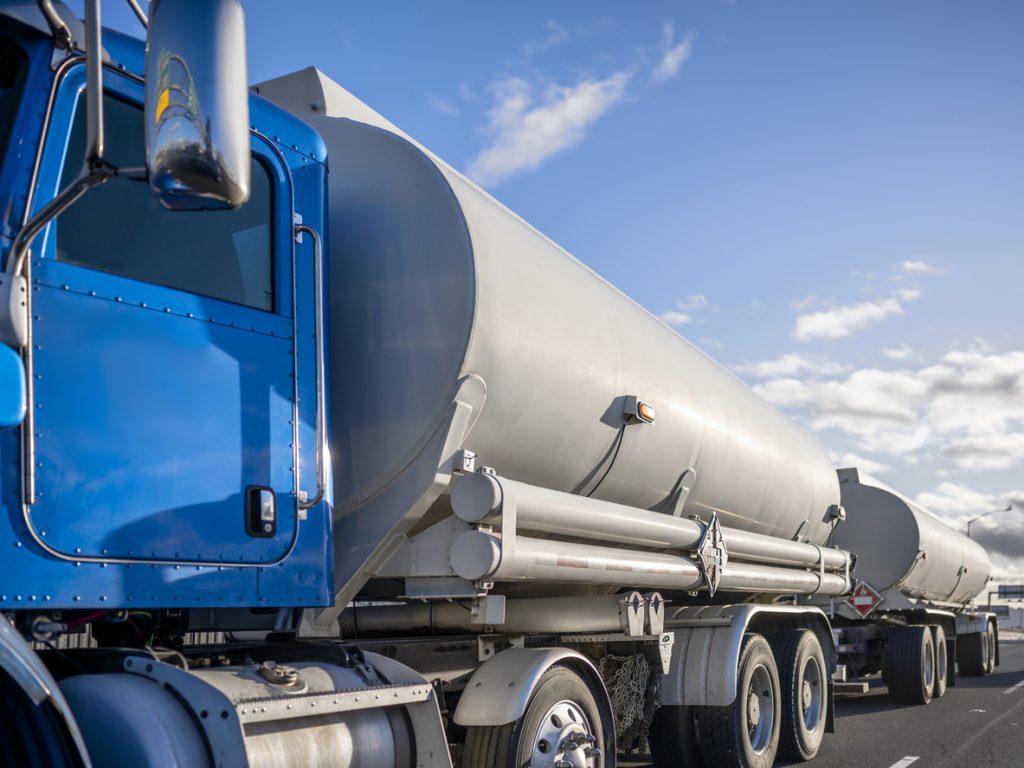
The petrol pump price in Nigeria is one of the most closely watched economic indicators because it directly affects transportation, logistics, food prices, business operations, and the overall cost of living. Changes in pump prices influence everything from intercity travel to parcel delivery and commercial transportation.
If you’re searching for the petrol pump price in Nigeria, this guide provides the latest market update, explains what is driving fuel prices, and shows how Travo.ng helps businesses and travellers manage transportation efficiently.
Current Petrol Pump Price in Nigeria
As of July 2026, petrol (Premium Motor Spirit – PMS) is selling at different prices depending on the marketer and location.
Current market prices include:
- ₦1,075 per litre at outlets supplied under Dangote Refinery’s latest ex-depot pricing following a recent reduction.
- Around ₦1,150 per litre at some NNPCL retail stations after recent pump price reductions.
- Across many filling stations nationwide, petrol generally sells for ₦1,100–₦1,400 per litre, depending on location, transportation costs, and the marketer.
Why Petrol Prices Vary
Several factors influence pump prices across Nigeria, including:
Refinery Pricing
Adjustments to refinery and ex-depot prices have led to recent reductions in pump prices at some filling stations.
Competition Among Marketers
Competition between major marketers and refiners has encouraged further price reductions in parts of the country.
Transportation and Distribution Costs
The cost of moving petrol from depots to filling stations means prices often differ from one state to another.
Exchange Rate and Global Oil Prices
International crude oil prices and exchange rate movements continue to influence fuel production and supply costs.
How Fuel Prices Affect Businesses
Petrol prices have a direct impact on:
- Logistics and delivery services
- Intercity transportation
- Ride-hailing services
- Manufacturing
- Retail businesses
- E-commerce operations
- Corporate mobility
- Supply chain costs
As fuel prices rise or fall, transportation costs usually adjust accordingly.
Tips for Managing Transportation Costs
Businesses and individuals can reduce transport expenses by:
- Planning efficient travel routes
- Combining deliveries where possible
- Maintaining vehicles regularly
- Monitoring fuel price trends
- Scheduling trips efficiently
- Using reliable logistics providers
These strategies can help improve efficiency and reduce operating costs.
How Travo.ng Helps You Travel Smarter
As fuel prices fluctuate, dependable transportation becomes even more important. Travo.ng provides reliable travel and logistics solutions across Nigeria, including:
- Intercity transportation
- Airport transfers
- Car hire services
- Corporate travel
- Nationwide parcel delivery
- Interstate logistics
- Fleet transportation
- Business mobility solutions
Whether you’re travelling for business or moving goods across states, Travo.ng helps you enjoy reliable transportation while optimizing travel costs.
Why Choose Travo.ng?
Travellers and businesses choose Travo.ng because of its:
- Reliable transportation network
- Nationwide service coverage
- Professional travel support
- Flexible mobility solutions
- Business-friendly logistics services
- Customer-focused experience
Travo.ng is committed to making travel and logistics across Nigeria efficient, convenient, and dependable.
Conclusion
The petrol pump price in Nigeria continues to change as refinery pricing, market competition, global oil prices, and transportation costs influence the downstream petroleum market. Keeping up with current fuel prices helps businesses and individuals plan transportation budgets more effectively.
For reliable intercity travel, airport transfers, car hire, and nationwide logistics services, Travo.ng provides trusted transportation solutions designed to keep people and businesses moving across Nigeria.
