


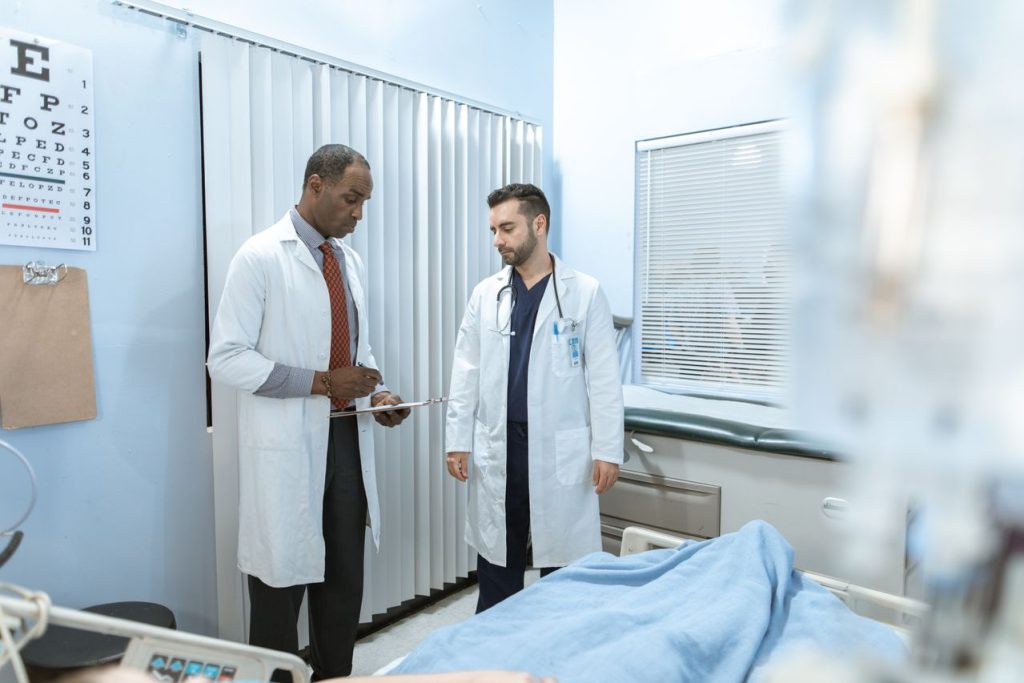
Healthcare access in Nigeria is not only about hospitals, doctors, and medicine. For many patients, pharmacies, clinics, laboratories, and families, the real challenge is movement. Can a patient get to the hospital on time? Can a lab sample reach the diagnostic centre safely? Can medical supplies move from Lagos to Abuja, Port Harcourt, Ibadan, Kano, or smaller towns without unnecessary delay?
These are everyday problems across Nigeria. A person may have a hospital appointment in Ikeja but lives in Ikorodu. A pharmacy in Lekki may need urgent stock from a distributor in Oshodi. A clinic in Abuja may need medical consumables delivered before the next morning. When transport is unreliable, healthcare becomes harder to access, even when the service itself is available.
That is why practical logistics support is becoming an important part of healthcare delivery in Nigeria.
Getting Patients to Care Without Unnecessary Stress
One of the most common barriers to healthcare access in Nigeria is the difficulty of getting patients to hospitals, clinics, or diagnostic centres on time. This is especially true in cities like Lagos, Abuja, Port Harcourt, and Benin, where traffic, distance, fuel costs, and poor route planning can turn a simple hospital visit into a stressful experience.
For example, moving from Ajah to LUTH, Surulere, or from Kubwa to a specialist hospital in Wuse can take longer than expected if the journey is not planned properly. For elderly patients, pregnant women, children, or people going for follow-up appointments, unreliable transport can lead to missed consultations and delayed treatment.
Travo.ng helps by supporting hospital transport coordination, scheduled pickups, airport transfers for medical travellers, and vehicle hire where families or healthcare providers need dependable movement. This kind of planning matters because medical trips usually require timing, comfort, and clear communication.
Medical Deliveries Need More Than Regular Dispatch Riders
Healthcare deliveries are different from normal parcel delivery. A food order can be late and still be usable. A medical sample, prescription drug, or hospital supply may not have that flexibility.
Medical deliveries may include:
Prescription medicines from pharmacies
Lab samples going to diagnostic centres
Hospital consumables and small equipment
Documents for health insurance or hospital admissions
Emergency supplies for clinics and home-care patients
In places like Lagos, delays can happen around Third Mainland Bridge, Apapa, Lekki-Epe Expressway, Oshodi, and other busy corridors. Without proper pickup timing and delivery tracking, a simple medical dispatch can become risky.
This is where healthcare access in Nigeria connects directly with logistics. Patients and providers need delivery partners who understand urgency, handling instructions, route planning, and communication. Travo.ng’s courier and delivery support can help pharmacies, hospitals, laboratories, and private customers move healthcare-related items more reliably within and across Nigerian cities.
Supporting Clinics, Pharmacies, and Small Healthcare Businesses
Many smaller healthcare providers in Nigeria struggle because they do not always have their own transport team. A pharmacy may need regular restocking. A diagnostic centre may need sample pickup from partner clinics. A small hospital may need consumables delivered from suppliers in Lagos, Onitsha, Aba, or Abuja.
Without organised logistics, staff members may waste time calling random drivers, negotiating prices, or following up manually. This affects service delivery and can frustrate patients.
Travo.ng can support healthcare businesses with scheduled deliveries, courier coordination, cargo movement, and business logistics support. For example, a pharmacy in Victoria Island can arrange same-day delivery to customers in Lekki, Ikoyi, Yaba, or Surulere. A clinic in Abuja can coordinate recurring supply runs instead of arranging transport from scratch each time.
This makes healthcare operations smoother and helps providers serve patients faster.
Why Interstate Medical Movement Requires Proper Planning
Healthcare access in Nigeria is not limited to city movement. Many patients travel between states for specialist care, surgery, diagnostics, or family support. Lagos, Abuja, Ibadan, Enugu, Port Harcourt, and Kano often receive patients from nearby towns and other states.
Interstate medical logistics may involve:
Moving a patient and family member for treatment
Sending medical documents ahead of an appointment
Delivering supplies to a regional clinic
Transporting non-emergency healthcare equipment
Coordinating airport pickup for medical travellers
These movements require proper timing. A Lagos to Abuja road trip may take 10 to 13 hours depending on stops, security conditions, and traffic. Air travel is faster, but airport pickup, baggage handling, and hotel movement still need coordination. For patients and families, poor planning can add unnecessary pressure to an already sensitive situation.
Travo.ng can help users arrange transport, airport pickup, delivery, and travel support in one place, making medical-related movement easier to manage.
Common Mistakes People Make With Healthcare Logistics
Many people wait until the last minute before arranging transport or delivery. This often leads to higher costs, missed appointments, or poor handling of important items.
Common mistakes include:
Booking transport too close to the appointment time
Using riders who do not understand medical delivery urgency
Sending sensitive items without clear pickup and drop-off instructions
Not confirming the receiver’s availability before dispatch
Ignoring traffic patterns on busy Nigerian routes
A better approach is to plan early, share complete delivery details, confirm timing, and use a service that understands local movement challenges.
Making Healthcare Easier to Reach
Improving healthcare access in Nigeria requires more than building hospitals. It also means helping people, medicines, supplies, documents, and healthcare workers move more efficiently.
With Travo.ng, individuals, pharmacies, clinics, laboratories, and businesses can arrange medical deliveries, hospital transport, courier services, airport pickups, vehicle hire, and logistics support without unnecessary stress.
When movement is better organised, healthcare becomes easier to reach. And for many Nigerians, that can make a real difference.
