


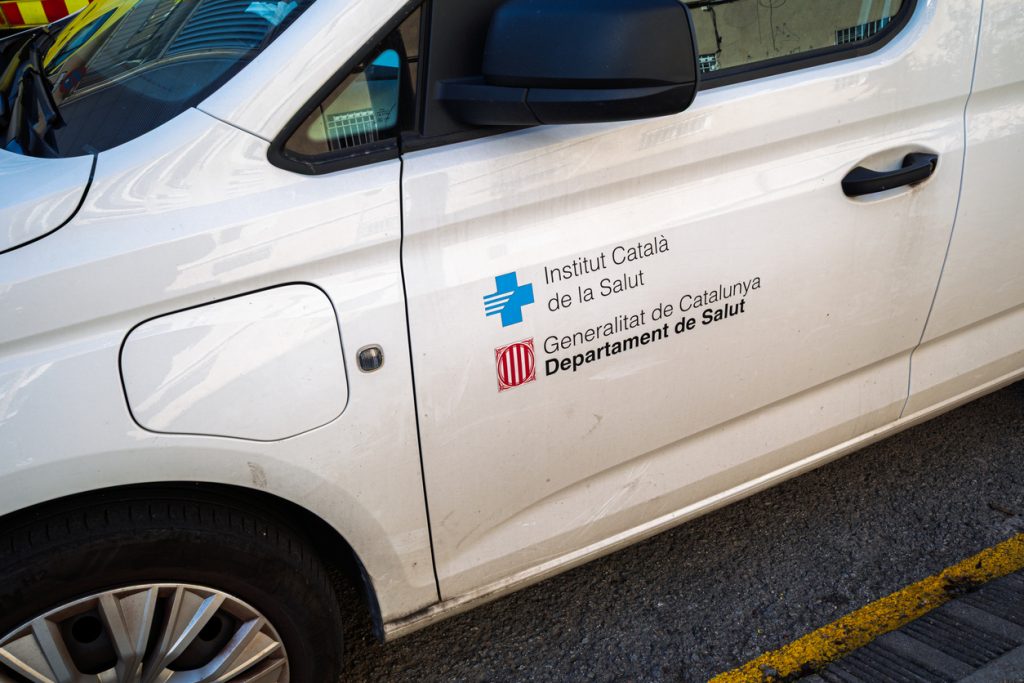
Medical last mile delivery in Nigeria is not the same as ordinary parcel delivery. A rider carrying food, fashion items, or documents may only need speed and basic address knowledge. But when the package contains lab samples, prescription drugs, medical reports, vaccines, hospital supplies, or urgent patient items, timing, handling, and trust matter much more.
A missed delivery can delay treatment. A poorly handled sample can affect test results. A drug delivered late may disrupt a patient’s dosage schedule. This is why hospitals, diagnostic centres, pharmacies, NGOs, home-care providers, and families need a more organised approach when moving medical items within Nigerian cities.
Travo.ng supports medical and healthcare-related deliveries by helping customers arrange reliable pickup, dispatch, and transport coordination for sensitive items that need careful handling.
What Medical Last Mile Delivery Really Means in Nigeria
Last mile delivery is the final movement of an item from a pickup point to the person or facility that needs it. In healthcare, this could mean moving an item from:
A pharmacy to a patient’s home
A hospital to a diagnostic laboratory
A lab to a doctor’s office
A medical supplier to a clinic
A blood collection point to a testing centre
A hospital records department to another facility
In cities like Lagos, Abuja, Port Harcourt, Ibadan, and Enugu, this final stage is often the most difficult part of the journey. Traffic, unclear addresses, estate access rules, bad roads, and poor communication can turn a simple delivery into a stressful experience.
For medical deliveries, the goal is not only to “send something.” The goal is to deliver the right item, to the right person, in good condition, within the expected time.
Common Medical Items That Need Careful Delivery
Not every medical item requires the same level of handling, but all require attention. Some common healthcare deliveries in Nigeria include:
Prescription medicines: These may be needed by elderly patients, people recovering at home, or busy customers who cannot visit the pharmacy.
Lab samples: Blood, urine, stool, swabs, and other samples must be moved carefully and quickly, especially when the test depends on sample freshness.
Medical reports and documents: Test results, referral letters, insurance documents, and patient records should be delivered securely and confidentially.
Hospital supplies: Clinics and smaller healthcare centres often need gloves, syringes, test kits, wound care supplies, and basic consumables delivered from suppliers.
Home-care items: Patients receiving treatment at home may need regular delivery of drugs, dressings, mobility aids, or monitoring devices.
A good delivery arrangement should match the item being moved. A box of hospital gloves does not need the same urgency as a lab sample going from Lekki to Yaba or from Gwarinpa to Wuse.
Why Ordinary Dispatch Can Be Risky for Medical Deliveries
Many people in Nigeria use regular riders for urgent errands, and that works for many everyday items. But medical deliveries require more caution.
One common problem is poor communication. A rider may pick up an item without confirming the recipient’s name, phone number, delivery urgency, or special handling instruction. By the time there is a delay, the sender may not know exactly where the package is.
Another issue is handling. Medical items should not be squeezed under heavy parcels, exposed carelessly, mixed with food deliveries, or delayed unnecessarily during multiple stops.
There is also the issue of privacy. Patient documents, prescriptions, lab results, and hospital forms should be treated as confidential. The delivery process should reduce unnecessary exposure and confusion.
This is why medical last mile delivery in Nigeria needs proper coordination, not just a random available bike.
Real Delivery Challenges in Lagos, Abuja, and Other Cities
In Lagos, a medical delivery from Ikeja GRA to Victoria Island can be straightforward in the morning but stressful around evening rush hour. A sample going from Ajah to a lab in Yaba may require careful timing because Lekki traffic can change quickly.
In Abuja, deliveries between Maitama, Wuse, Garki, Gwarinpa, and Lugbe are usually more predictable than Lagos, but distance and estate access can still cause delays. In Port Harcourt, weather, road conditions, and movement around busy commercial areas can affect delivery timing.
For interstate healthcare movement, planning becomes even more important. A hospital supply dispatch from Lagos to Ibadan may be possible within the same day if arranged early, but Lagos to Abuja or Lagos to Port Harcourt requires better scheduling, packaging, and transport selection.
Customers should avoid assuming every medical delivery can be handled “immediately.” The safest option is to book early, explain the item clearly, and confirm whether the package needs temperature control, urgent movement, direct delivery, or proof of receipt.
What to Confirm Before Sending Any Medical Item
Before arranging a medical delivery, confirm the details properly. This reduces mistakes and saves time.
Pickup details: Provide the full pickup address, contact person, department or pharmacy name, and the best pickup time.
Recipient details: Include the receiver’s full name, phone number, address, estate gate instruction, hospital department, or office floor where necessary.
Handling instruction: State whether the item is fragile, confidential, urgent, temperature-sensitive, or must remain upright.
Delivery deadline: Be clear about whether the item must arrive within one hour, same day, next day, or before a medical appointment.
Proof of delivery: For hospitals, clinics, pharmacies, and diagnostic centres, it is helpful to request delivery confirmation from the receiver.
These details may look small, but they are often what separate a smooth medical delivery from a failed one.
How Travo.ng Helps With Medical Last Mile Delivery in Nigeria
Travo.ng makes medical delivery easier by helping individuals and organisations coordinate safe and practical movement of healthcare-related items. The service is useful for pharmacies, hospitals, laboratories, home-care providers, medical suppliers, and families managing patient needs.
Depending on the request, Travo.ng can support courier services, delivery coordination, document delivery, hospital supply movement, airport pickup for medical visitors, vehicle hire for healthcare staff, and logistics support for business customers.
For example, a pharmacy in Ikeja can arrange medicine delivery to a patient in Surulere. A diagnostic centre can coordinate sample movement between collection points. A clinic can schedule delivery of consumables from a supplier. A family can send medical documents from one hospital to another without relying on informal arrangements.
The focus is simple: make the delivery organised, trackable, and easier to manage.
Mistakes People Make When Booking Medical Deliveries
A common mistake is giving incomplete addresses. In many Nigerian cities, “near the junction” is not enough, especially when the rider is trying to meet a patient, hospital staff member, or lab receptionist quickly.
Another mistake is not explaining the package. A medical report, prescription drug, and lab sample are very different items. The more clearly the sender explains the package, the better the delivery can be handled.
Some customers also wait too late before booking. If a sample must reach a lab before closing time, it should not be scheduled close to the deadline during traffic hours.
Lastly, people sometimes choose the cheapest dispatch option without considering risk. For medical logistics, reliability is often more important than saving a small amount on delivery cost.
When Businesses Should Use Scheduled Medical Delivery
For healthcare businesses, one-off deliveries are not always enough. Pharmacies, labs, clinics, and suppliers often need repeat movement during the week.
Scheduled delivery works better when there are regular routes such as:
Pharmacy-to-patient deliveries every afternoon
Sample pickup from collection centres before lab closing time
Hospital supply runs twice weekly
Medical document dispatch between branches
Home-care delivery support for recurring patients
With proper planning, businesses can reduce emergency dispatch costs, avoid delays, and give patients a more dependable experience.
Book Medical Last Mile Delivery With Travo.ng
Medical last mile delivery in Nigeria requires more than speed. It requires clear communication, proper handling, local route knowledge, and a delivery partner that understands the pressure behind healthcare movement.
Whether you need to send prescription drugs, lab samples, hospital supplies, medical documents, or patient-related items, Travo.ng can help coordinate practical delivery support across Nigerian cities.
For individuals, it saves time and stress. For healthcare businesses, it improves reliability and patient service. And for urgent medical errands, it gives you a safer way to move sensitive items without depending on guesswork.
