


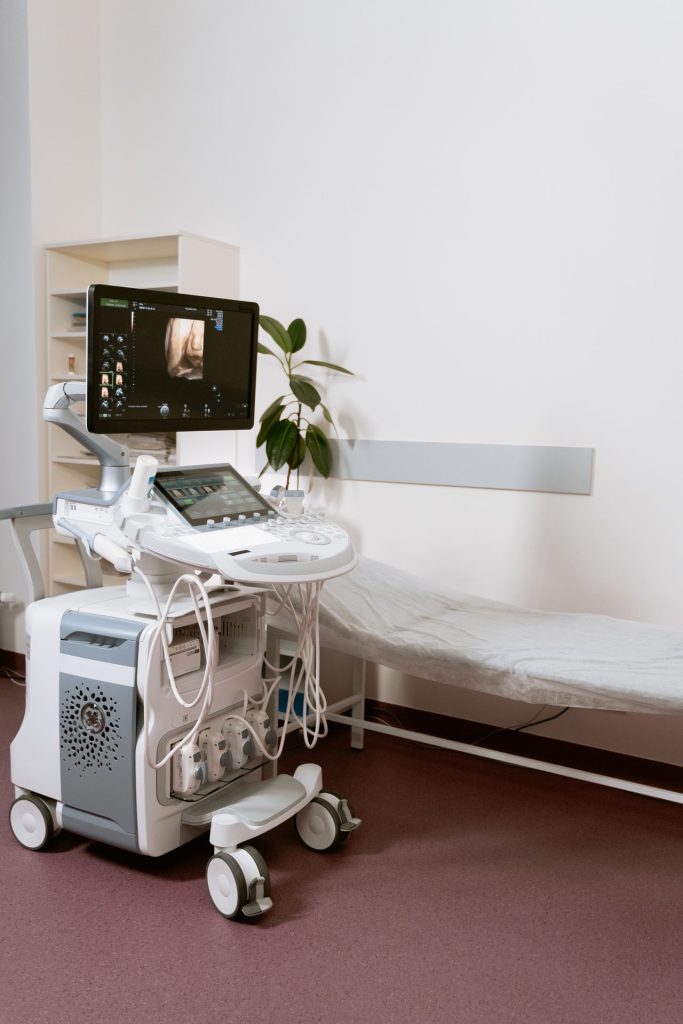
Telehealth is changing how Nigerians access healthcare, but virtual consultations are only one part of the process. After a doctor speaks with a patient online, someone may still need to deliver medicine, move test samples, transport medical devices, or coordinate follow-up items between hospitals, labs, pharmacies, and homes. That is where telehealth logistics in Nigeria becomes important.
For patients in Lagos, Abuja, Port Harcourt, Ibadan, Enugu, Kano, and other busy cities, the real challenge is not always speaking to a doctor. It is getting the right medical item to the right place quickly, safely, and without confusion. Travo.ng supports healthcare providers, pharmacies, labs, and individuals with practical delivery and transport coordination for medical-related movements across Nigeria.
What Telehealth Logistics Really Means in Nigeria
Telehealth logistics is the movement and coordination behind remote healthcare services. It covers the delivery of medicines, medical supplies, lab kits, diagnostic samples, patient documents, home-care items, and sometimes medical equipment.
In Nigeria, this can include:
Prescription delivery from a pharmacy to a patient’s home.
Sample pickup from a patient and delivery to a laboratory.
Movement of medical files between hospitals and clinics.
Delivery of blood pressure monitors, glucose meters, or home-care supplies.
Transport coordination for patients who need hospital visits after a virtual consultation.
A doctor may complete a consultation on WhatsApp, Zoom, or a hospital platform, but if the medication does not reach the patient on time, the service feels incomplete.
The Delivery Issues Patients and Providers Face
Medical deliveries are not the same as sending clothes, foodstuff, or office documents. Timing, handling, and clear communication matter more.
In Lagos, for example, a pharmacy delivery from Ikeja to Lekki can take longer than expected if pickup happens close to evening traffic. A lab sample from Ajah to Yaba may need faster dispatch because delays can affect processing. In Abuja, routes like Gwarinpa to Wuse or Lugbe to Maitama may look simple on a map, but delivery timing still depends on traffic, weather, security checks, and dispatch availability.
Common problems include:
Rider delays: Medical items may be urgent, but not every dispatch rider understands priority handling.
Poor address details: Estates, hospitals, and apartment blocks often need clear pickup and drop-off instructions.
Wrong packaging: Some items need sealed bags, insulated boxes, or careful handling.
Lack of tracking: Patients and healthcare teams need updates, especially when medication or samples are involved.
This is why healthcare logistics must be handled with more structure than normal parcel delivery.
How Long Medical Deliveries Usually Take
Timing depends on the city, item type, distance, and urgency. Within Lagos, same-day medical deliveries can often be arranged within a few hours if pickup is confirmed early. Short routes such as Ikeja to Ogba, VI to Lekki Phase 1, or Surulere to Yaba are usually easier to coordinate than mainland-to-island movements during peak traffic.
Intercity medical logistics takes more planning. Lagos to Abuja, Port Harcourt to Enugu, or Ibadan to Lagos may require road transport, air cargo, or scheduled courier movement depending on how sensitive the item is.
For non-emergency items, next-day or scheduled delivery may be enough. For prescriptions, lab kits, or urgent patient support items, faster dispatch should be arranged before traffic builds up.
What Healthcare Businesses Should Confirm Before Booking
Before arranging telehealth logistics in Nigeria, healthcare providers should confirm the item type, handling needs, pickup address, delivery address, contact person, and delivery deadline.
For example, a pharmacy sending prescription medicine to a patient in Lekki should confirm whether the patient is available to receive it, whether payment has been settled, and whether the medicine needs temperature-sensitive handling. A diagnostic centre sending sample collection kits should ensure the patient understands the pickup process before the rider arrives.
Good coordination prevents failed deliveries, wasted rider time, and frustrated patients.
Where Travo.ng Fits Into Telehealth Support
Travo.ng helps make healthcare-related movement easier by coordinating courier services, delivery services, transport support, airport pickup where needed, and business logistics for organisations that need reliable movement across Nigerian cities.
For telehealth providers, this can support:
Pharmacy-to-patient delivery.
Lab sample pickup coordination.
Delivery of medical supplies to homes or clinics.
Movement of documents between healthcare facilities.
Scheduled transport for patients, staff, or medical support teams.
The goal is simple: help healthcare businesses and patients avoid unnecessary delays after a remote consultation has already been completed.
Mistakes to Avoid With Medical Parcel Delivery
One common mistake is treating every medical item like a normal package. Another is waiting until late afternoon before arranging delivery across Lagos or Abuja. Traffic, rain, rider availability, and poor address descriptions can turn a simple delivery into a stressful one.
Patients should also avoid sending incomplete delivery details. A proper address should include street name, estate or building name, nearest landmark, phone number, and any access instructions.
Healthcare providers should avoid using random dispatch options for sensitive items. A medicine delivery, lab kit, or medical document needs proper communication from pickup to drop-off.
Booking Telehealth Logistics in Nigeria With Confidence
Telehealth can only work properly when the physical support behind it is dependable. Patients want their medicine on time. Labs need samples moved carefully. Pharmacies need reliable delivery partners. Clinics need coordination that does not create extra pressure for their staff.
With Travo.ng, individuals and healthcare businesses can arrange practical logistics support for medical-related deliveries, transport coordination, and patient support movement across Nigeria. Whether it is a same-day pharmacy delivery in Lagos, a scheduled medical parcel in Abuja, or business logistics for a telehealth provider, the process becomes easier when the movement is planned properly from the start.
